

Article
Rate Limiting Done Right: Protecting Users From Yourself
How to implement rate limits that prevent abuse without accidentally blocking legitimate traffic during spikes.
Learn more
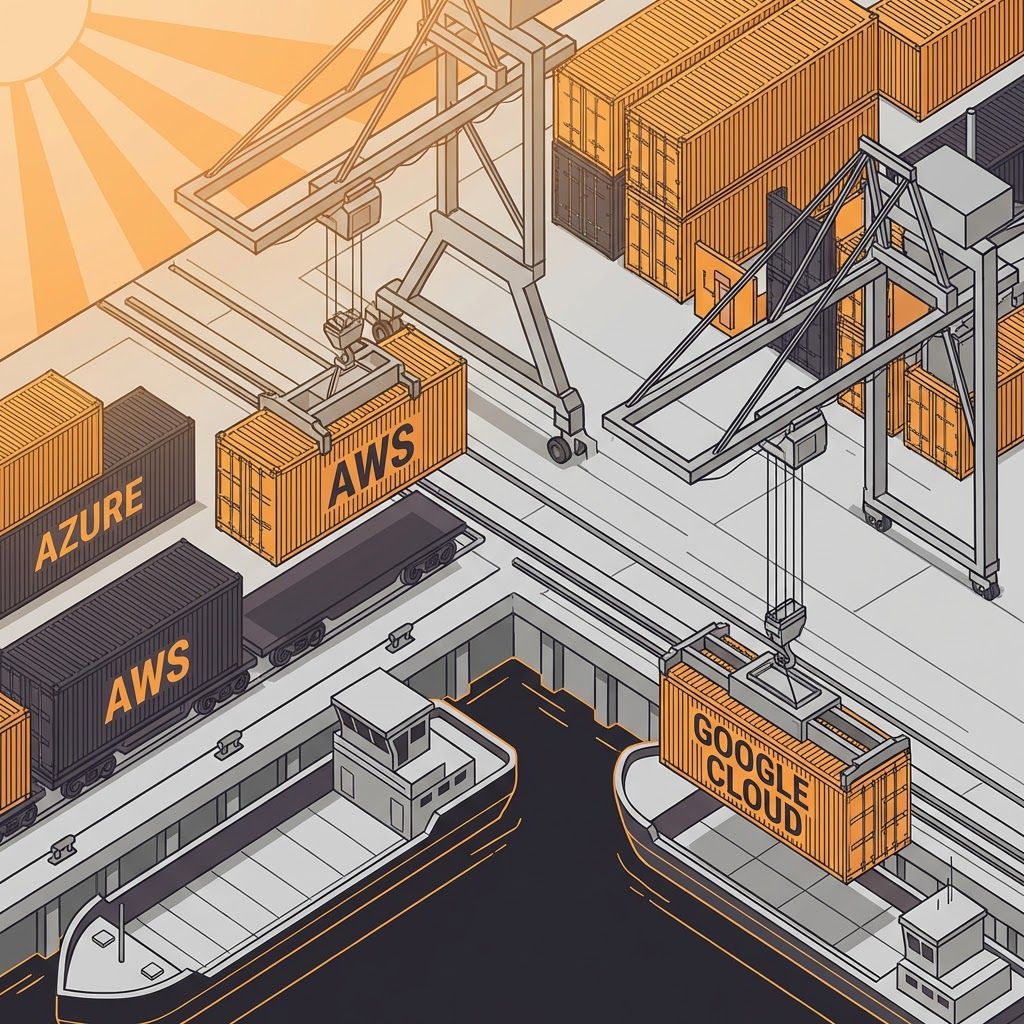
Amazon cloud services for IAM, networking, managed Kubernetes, and IaC workflows
AWS dominates the cloud infrastructure market for good reason: its breadth of services lets platform teams assemble opinionated internal platforms without building everything from scratch. EKS for managed Kubernetes, CodePipeline and CodeBuild for CI/CD, CloudFormation and CDK for infrastructure-as-code, and IAM for fine-grained access control form the backbone of most enterprise platform engineering stacks. The ecosystem is deep enough that nearly any operational pattern has a managed-service answer.
Platform engineers working with AWS spend significant time on IAM policy design, VPC networking, and service quotas—the unglamorous connective tissue that determines whether a self-service platform actually works at scale. Getting cross-account access right with Organizations and Control Tower, wiring up PrivateLink endpoints, and tuning autoscaling policies across EKS node groups are where real operational expertise lives.
The tradeoff is complexity. AWS offers multiple ways to accomplish any goal, and choosing between them has long-term consequences for cost, maintainability, and team cognitive load. A well-built AWS platform abstracts that complexity behind golden paths so application teams get the reliability of battle-tested infrastructure without needing to understand every service interaction underneath.
How to implement rate limits that prevent abuse without accidentally blocking legitimate traffic during spikes.

Designing module interfaces that are easy to use, hard to misuse, and can evolve without breaking consumers.

Preview deployments for every PR without surprise cloud bills or orphaned infrastructure.

Automated quality gates that catch real failures without becoming a bottleneck or a source of false positives.
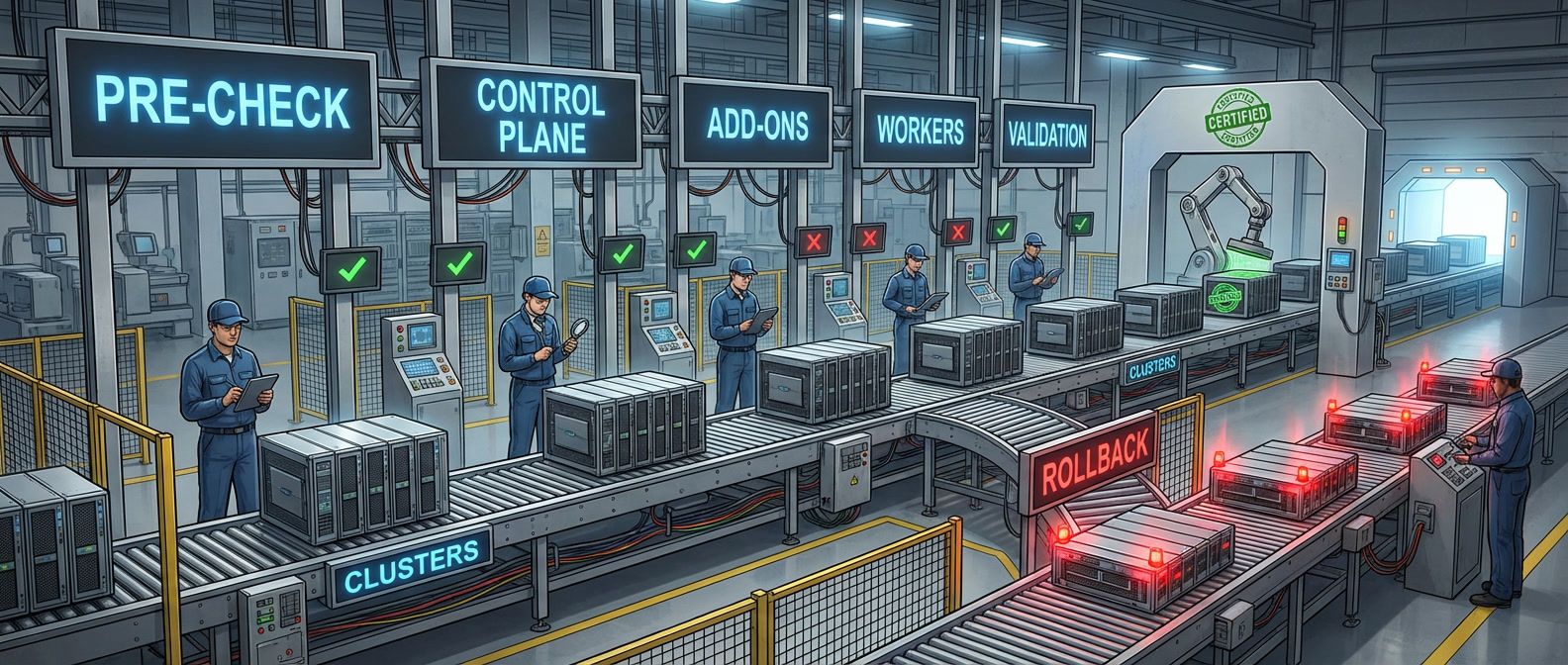
A playbook for cluster upgrades that minimizes risk and keeps the process predictable.
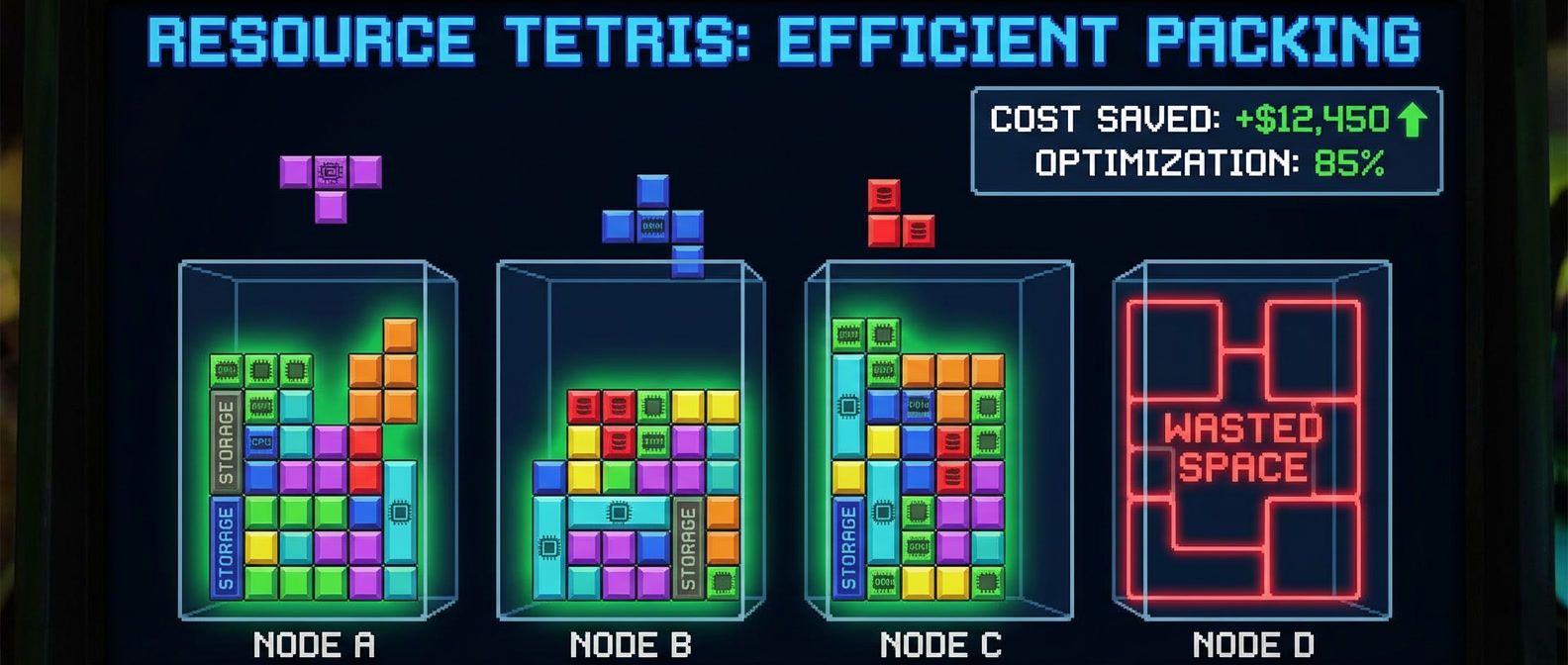
The boring resource decisions that actually determine your cloud spend on Kubernetes clusters.

Building only what changed with affected-based builds and remote caching that actually speeds up CI.

Lead time, onboarding time, and ticket deflection metrics that show whether your platform reduces friction.

Metrics, traces, and logs from your gateway that help debug production issues instead of generating noise.

Configuring PodDisruptionBudgets to survive node rotations without blocking cluster operations.

Scream tests, traffic analysis, and soft shutdowns for services nobody remembers but everyone depends on.
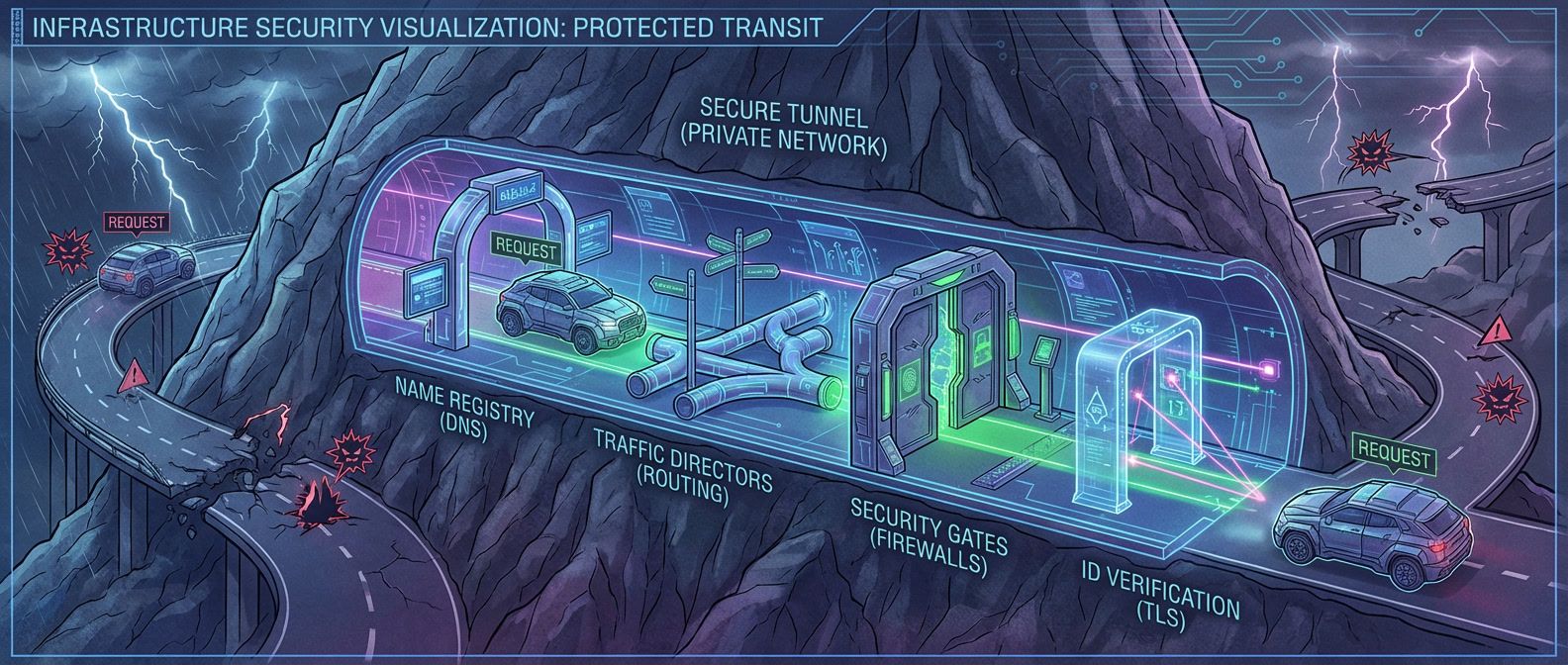
Debugging the networking issues that appear when services move to private connectivity.