
Article
Rate Limiting Done Right: Protecting Users From Yourself
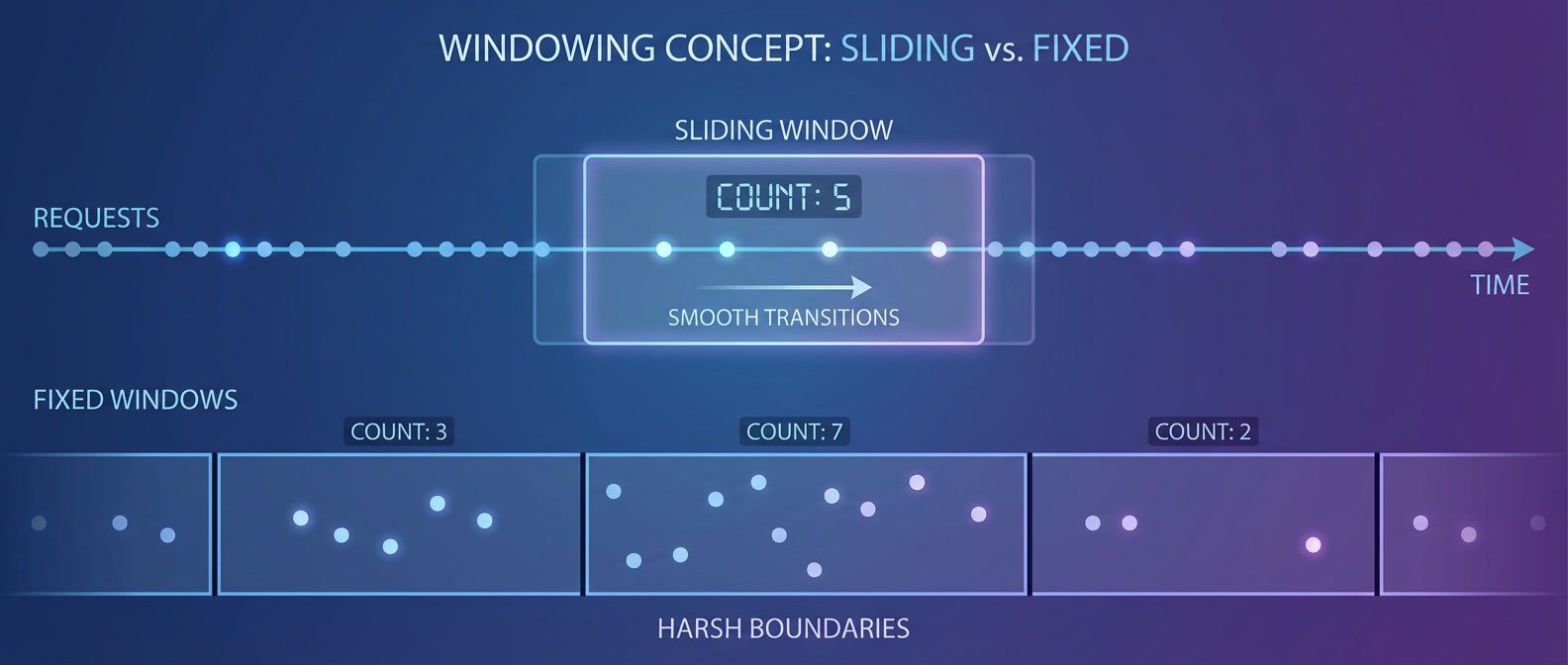
How to implement rate limits that prevent abuse without accidentally blocking legitimate traffic during spikes.
Learn more

Microsoft cloud platform with AKS, Entra ID, DevOps pipelines, and Bicep IaC
Azure occupies a unique position in enterprise platform engineering because of its deep integration with Microsoft’s identity and productivity stack. Entra ID (formerly Azure AD) gives platform teams federated identity, conditional access, and workload identity federation out of the box—capabilities that take significant effort to replicate on other clouds. AKS provides managed Kubernetes with tight Azure networking integration, and Azure DevOps offers a mature CI/CD pipeline system that many enterprises already have in place.
For platform engineers, Azure’s strength is its enterprise governance tooling. Management Groups, Azure Policy, and Blueprints let you enforce guardrails across hundreds of subscriptions. Landing Zones provide prescriptive architecture for multi-team environments, and Bicep offers a cleaner infrastructure-as-code experience than ARM templates while remaining a first-party citizen. Combined with Terraform’s AzureRM provider, teams have real flexibility in how they define and provision infrastructure.
The challenge is navigating Azure’s layered service model and frequent rebranding. Services shift names, preview features graduate unpredictably, and the relationship between Azure DevOps and GitHub Actions continues to evolve. Successful Azure platform teams build abstraction layers that shield application developers from these shifts while still leveraging the platform’s enterprise integration advantages.
How to implement rate limits that prevent abuse without accidentally blocking legitimate traffic during spikes.

Automated quality gates that catch real failures without becoming a bottleneck or a source of false positives.

A playbook for cluster upgrades that minimizes risk and keeps the process predictable.

The boring resource decisions that actually determine your cloud spend on Kubernetes clusters.

Building only what changed with affected-based builds and remote caching that actually speeds up CI.

Incrementally migrating to new infrastructure by building observability before cutting traffic. A complete walkthrough using auth extraction as the running example.
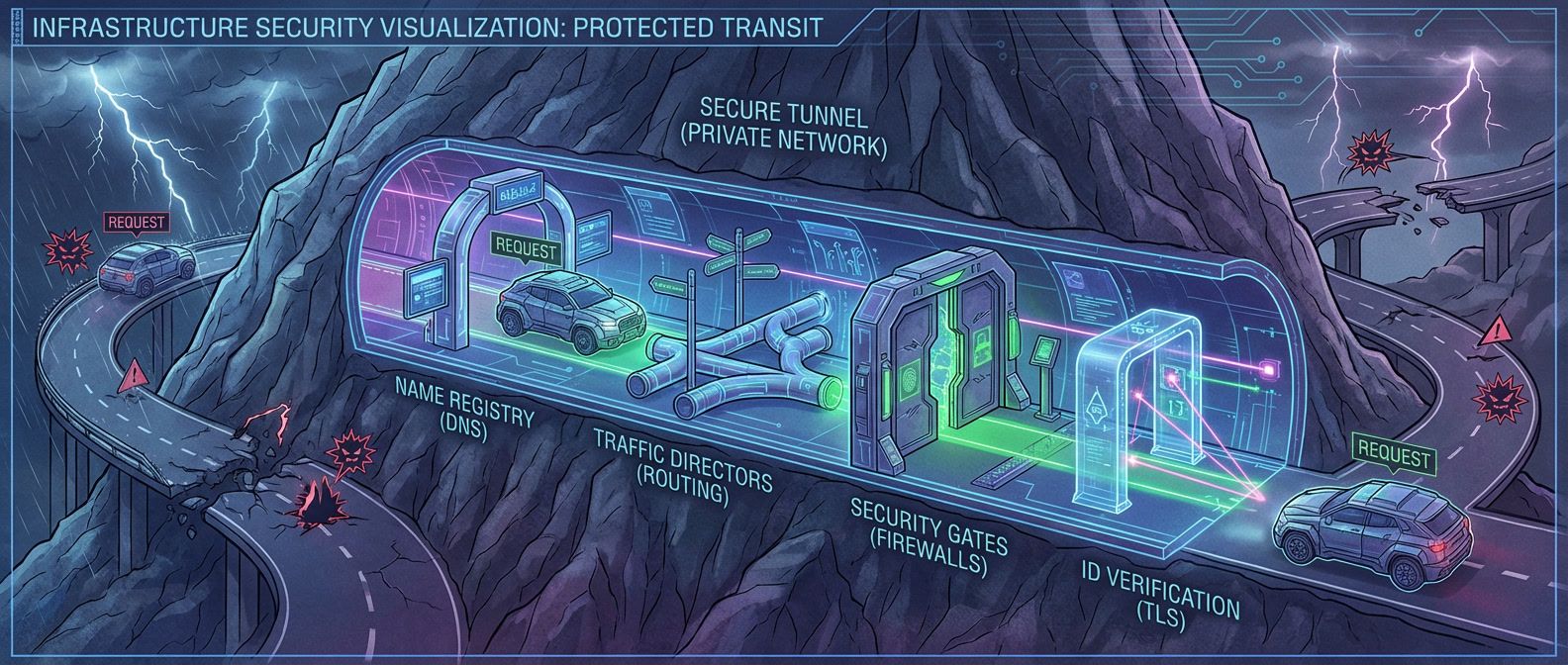
Debugging the networking issues that appear when services move to private connectivity.

Replacing service account keys with workload identity federation for secure, keyless cloud access.

State locking, backend configuration, and recovery strategies for when state corruption happens.

Recognizing when simpler infrastructure wins and Kubernetes complexity is not worth the carrying cost.

Comparing secret injection patterns and their failure modes when connecting Vault or cloud secret managers.