

Article
Dead Letter Queues You Can Actually Drain
DLQ design that makes failed messages debuggable and reprocessable instead of a graveyard.
Learn more
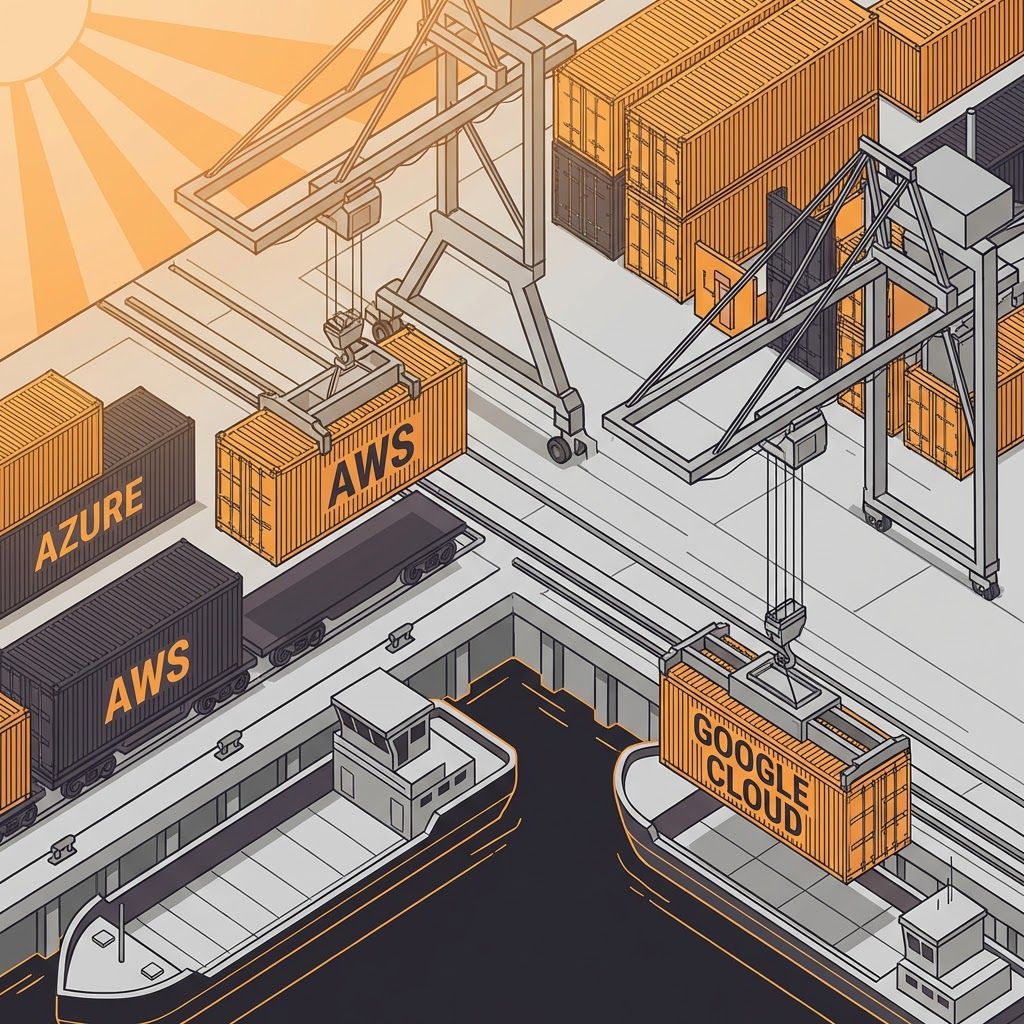
Amazon cloud services for IAM, networking, managed Kubernetes, and IaC workflows
AWS dominates the cloud infrastructure market for good reason: its breadth of services lets platform teams assemble opinionated internal platforms without building everything from scratch. EKS for managed Kubernetes, CodePipeline and CodeBuild for CI/CD, CloudFormation and CDK for infrastructure-as-code, and IAM for fine-grained access control form the backbone of most enterprise platform engineering stacks. The ecosystem is deep enough that nearly any operational pattern has a managed-service answer.
Platform engineers working with AWS spend significant time on IAM policy design, VPC networking, and service quotas—the unglamorous connective tissue that determines whether a self-service platform actually works at scale. Getting cross-account access right with Organizations and Control Tower, wiring up PrivateLink endpoints, and tuning autoscaling policies across EKS node groups are where real operational expertise lives.
The tradeoff is complexity. AWS offers multiple ways to accomplish any goal, and choosing between them has long-term consequences for cost, maintainability, and team cognitive load. A well-built AWS platform abstracts that complexity behind golden paths so application teams get the reliability of battle-tested infrastructure without needing to understand every service interaction underneath.
DLQ design that makes failed messages debuggable and reprocessable instead of a graveyard.
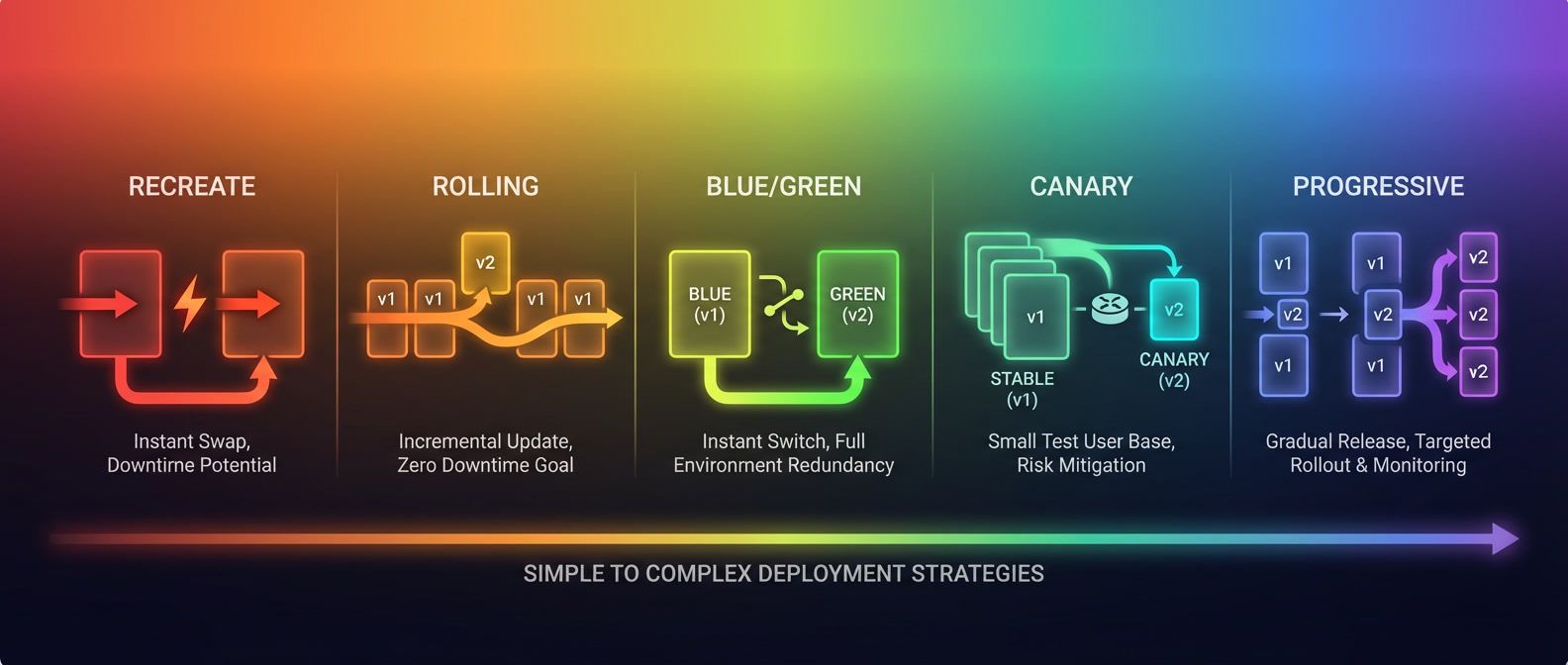
Tradeoffs between deployment strategies for stateless and stateful workloads, with and without service mesh.
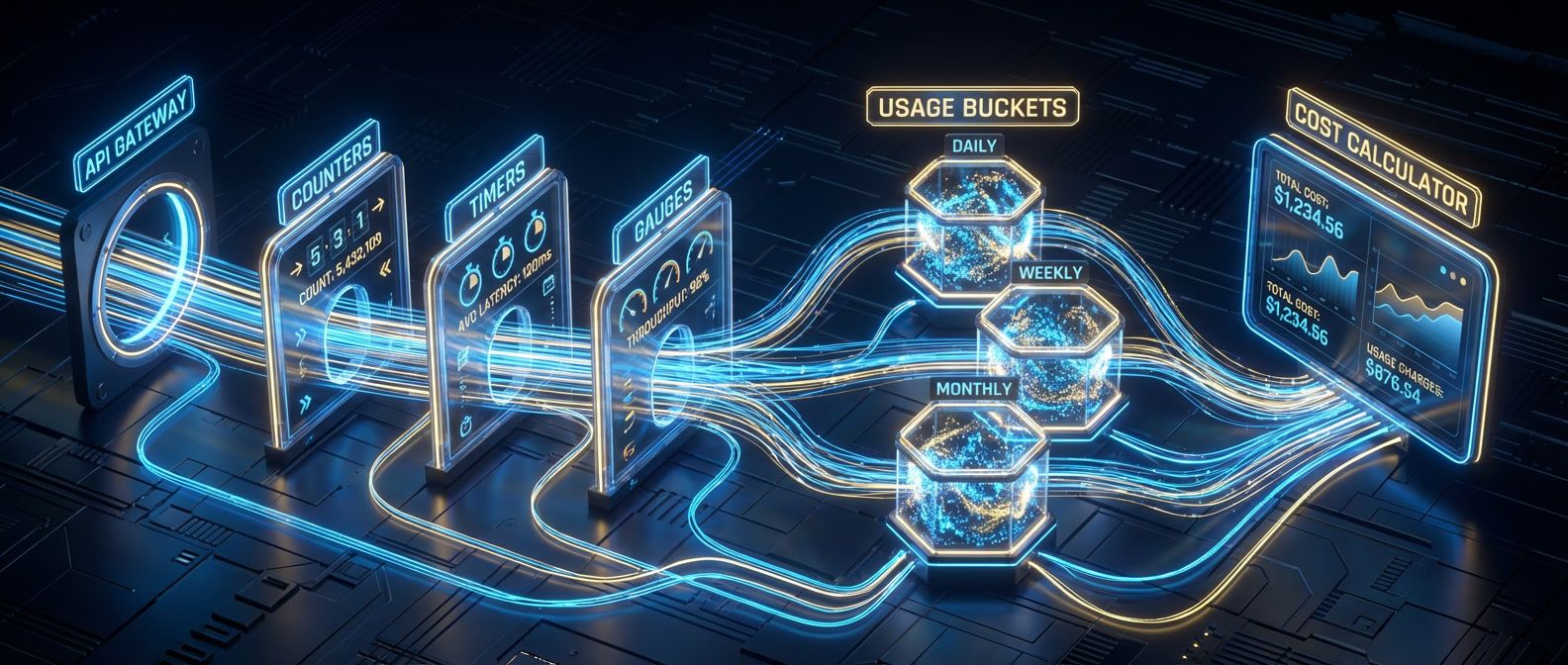
How to track API usage, enforce quotas, and implement charge-back models without a finance degree.

Replacing service account keys with workload identity federation for secure, keyless cloud access.
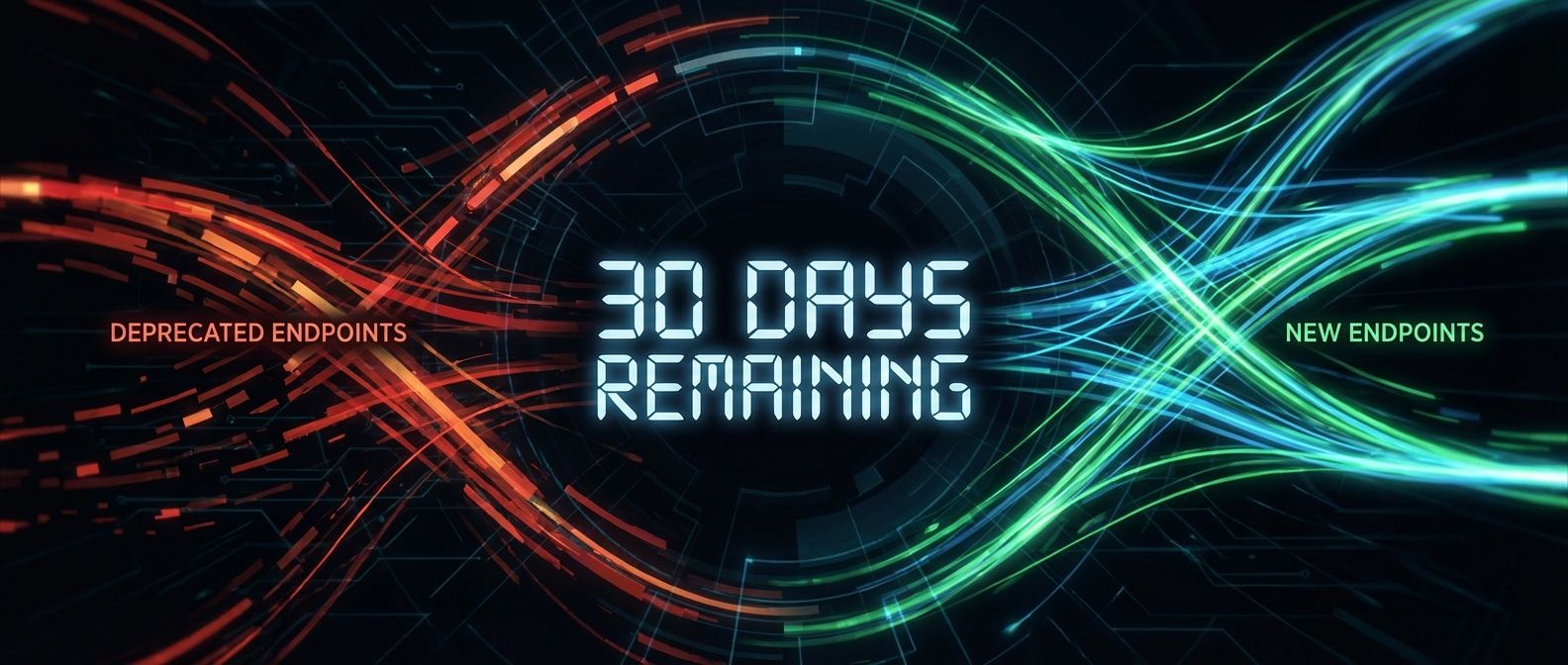
Sunset headers, usage tracking, and migration incentives that actually get consumers off deprecated endpoints.

Implementing infrastructure policies with OPA and Conftest that catch violations before they reach production.

State locking, backend configuration, and recovery strategies for when state corruption happens.

Separating platform control surfaces from runtime infrastructure for multi-team boundaries and scaling.

Recognizing when simpler infrastructure wins and Kubernetes complexity is not worth the carrying cost.
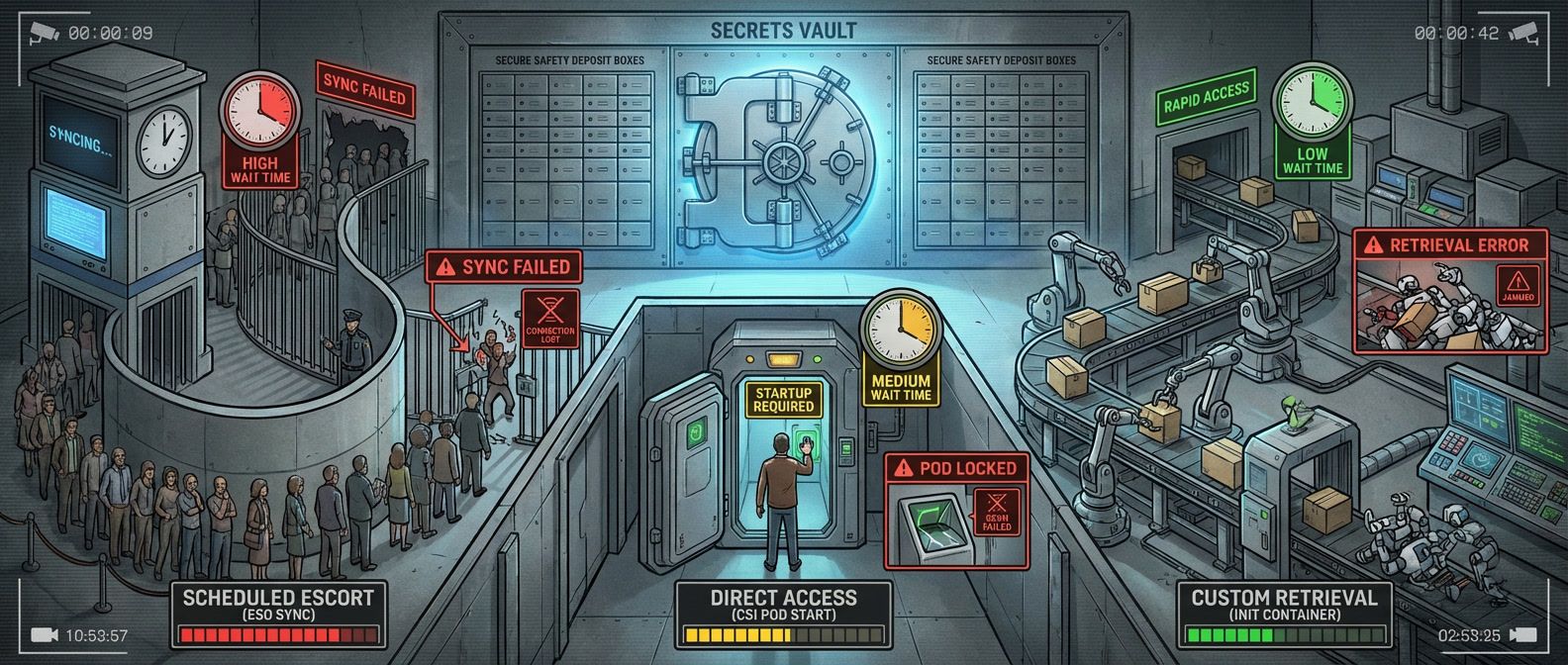
Comparing secret injection patterns and their failure modes when connecting Vault or cloud secret managers.

Load shedding, queue depth limits, and admission control that keep systems responsive when overloaded.

Designing message consumers that handle retries and duplicates without corrupting state or duplicating work.