
Article
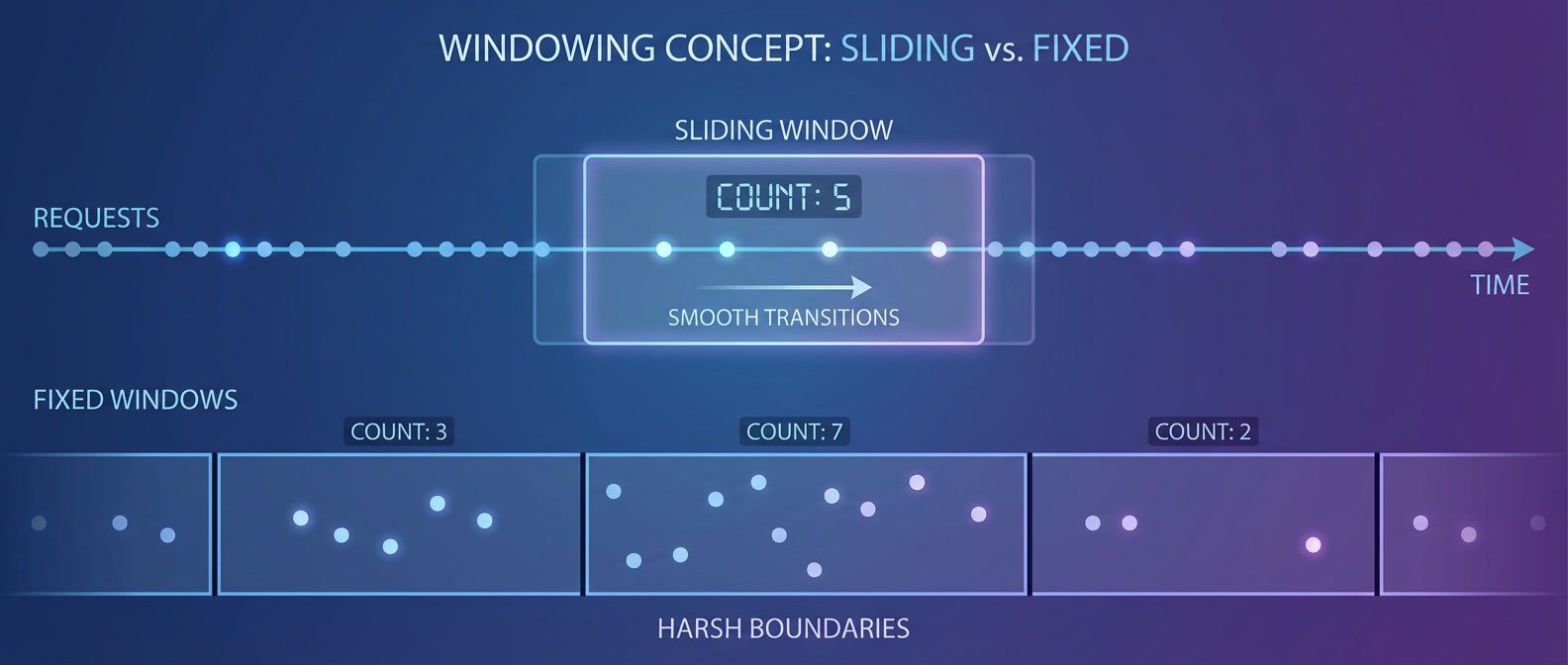
Your Rate Limiter Is Your Biggest Outage Risk
Why your rate limiter might be your biggest outage risk — and how to fix it with the right algorithms and architecture.
Learn more
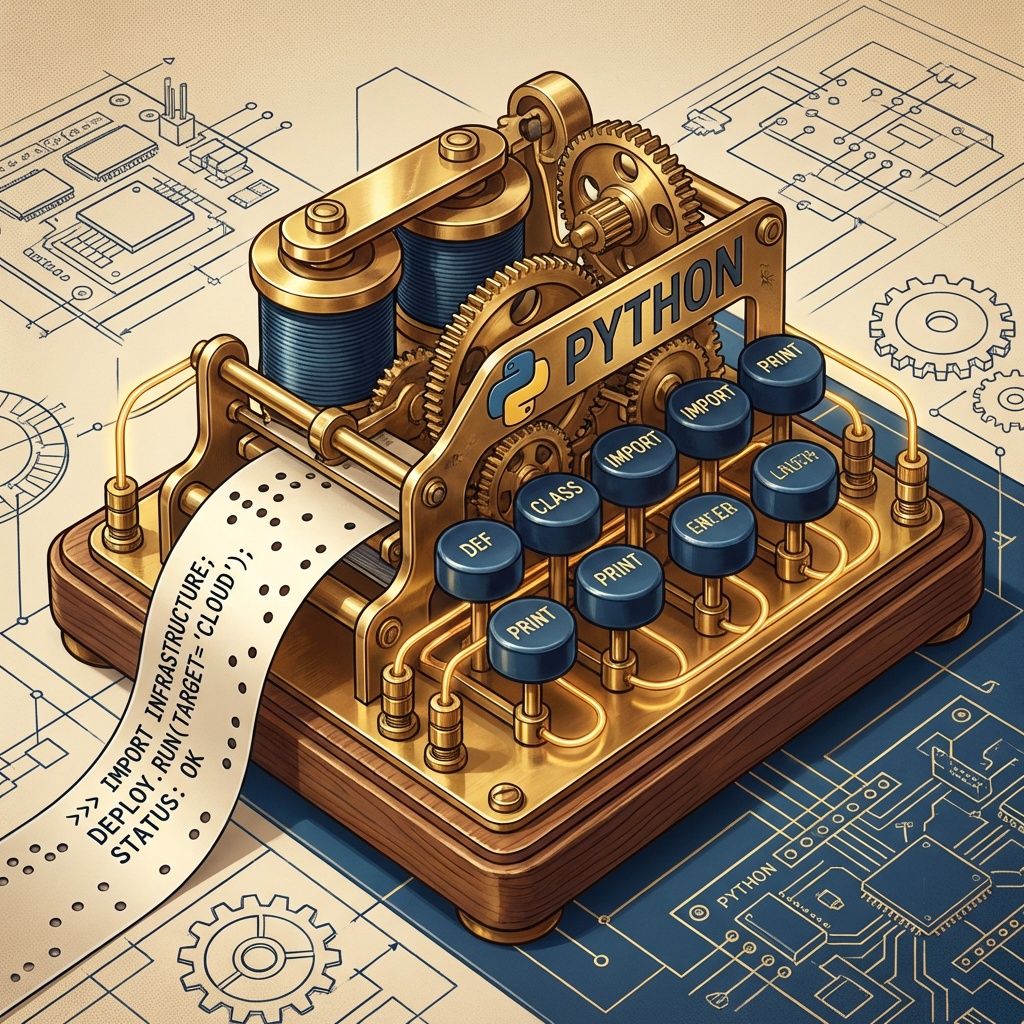
Go-to scripting language for cloud automation, infrastructure glue, and DevOps tools
Python is the default scripting language of platform engineering. When a team needs to automate a cloud workflow, parse API responses, generate Terraform variable files, or build a quick CLI tool, Python is almost always the fastest path from idea to working code. Every major cloud provider ships a Python SDK, Ansible is built on it, and the ecosystem of infrastructure libraries—boto3, azure-sdk, google-cloud-python, kubernetes-client—covers virtually any integration a platform team encounters.
The language excels at glue code and automation. Migration scripts that shuffle data between systems, cost analysis tools that query cloud billing APIs, incident response runbooks that execute remediation steps, and custom Prometheus exporters that scrape proprietary systems all land naturally in Python. Its readability means on-call engineers can understand and modify scripts written by someone else at 3 AM without deciphering clever abstractions.
The tradeoff is runtime performance and packaging complexity. Python scripts need a runtime and dependency management—virtual environments, pip, and version pinning—that adds friction compared to Go’s static binaries. For long-running services or high-throughput data pipelines, the GIL and startup overhead matter. Platform teams that use Python for automation and scripting while reaching for Go or Rust for performance-critical services get the best of both worlds.
Why your rate limiter might be your biggest outage risk — and how to fix it with the right algorithms and architecture.
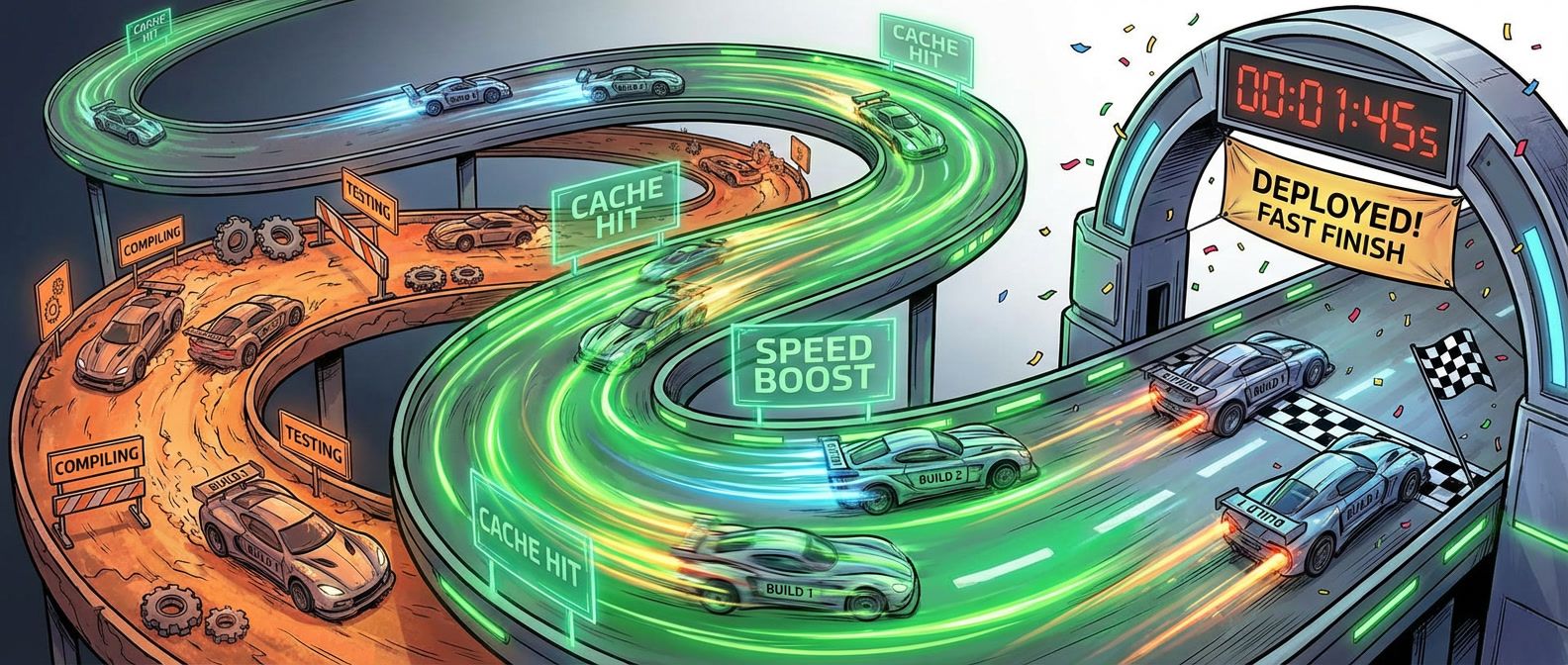
Cache keys, Docker layer ordering, and the pitfalls that turn caching from a speedup into a source of production bugs.

A data-driven framework for identifying which dashboards to keep, archive, or delete — and how to make cleanup stick.

Lead time, onboarding time, and ticket deflection metrics that show whether your platform reduces friction.
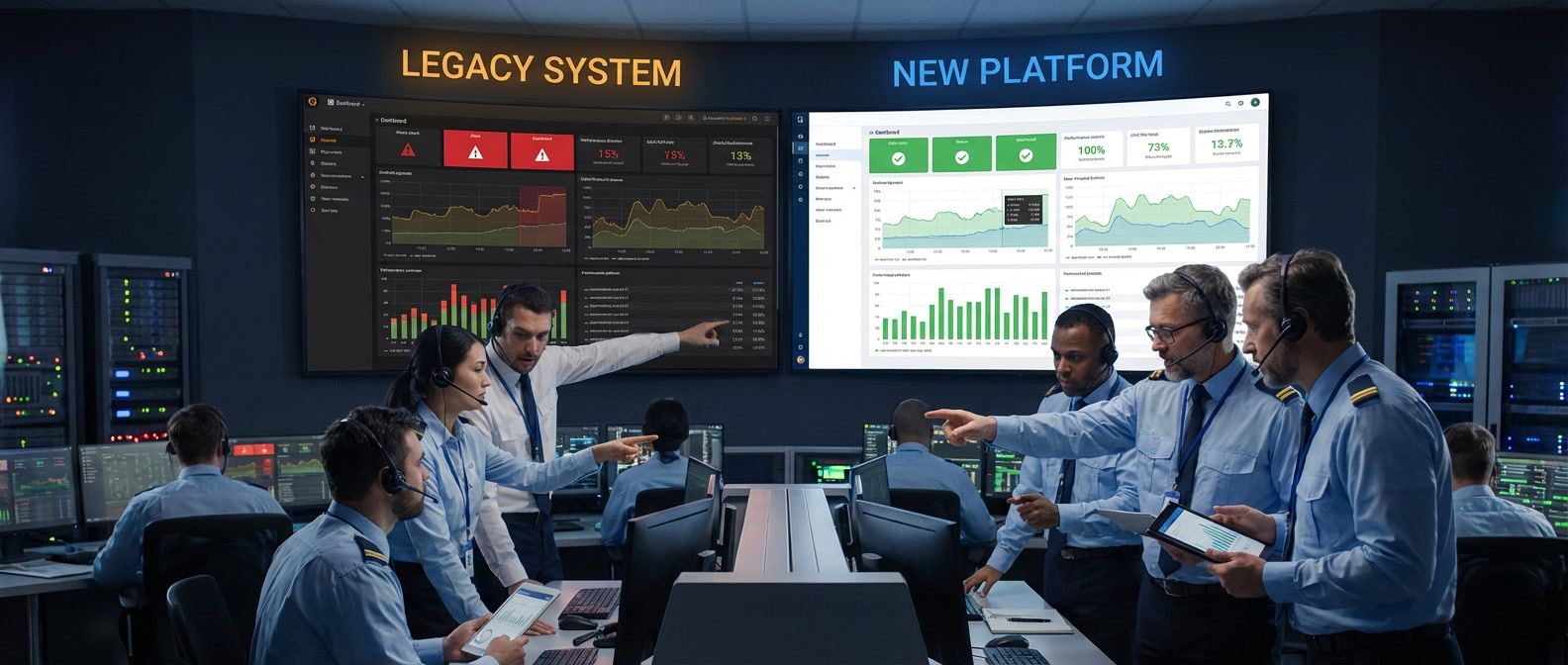
Shadow traffic testing and automatic rollback eliminate migration risk. Learn the observability-first approach that makes legacy modernization safe.
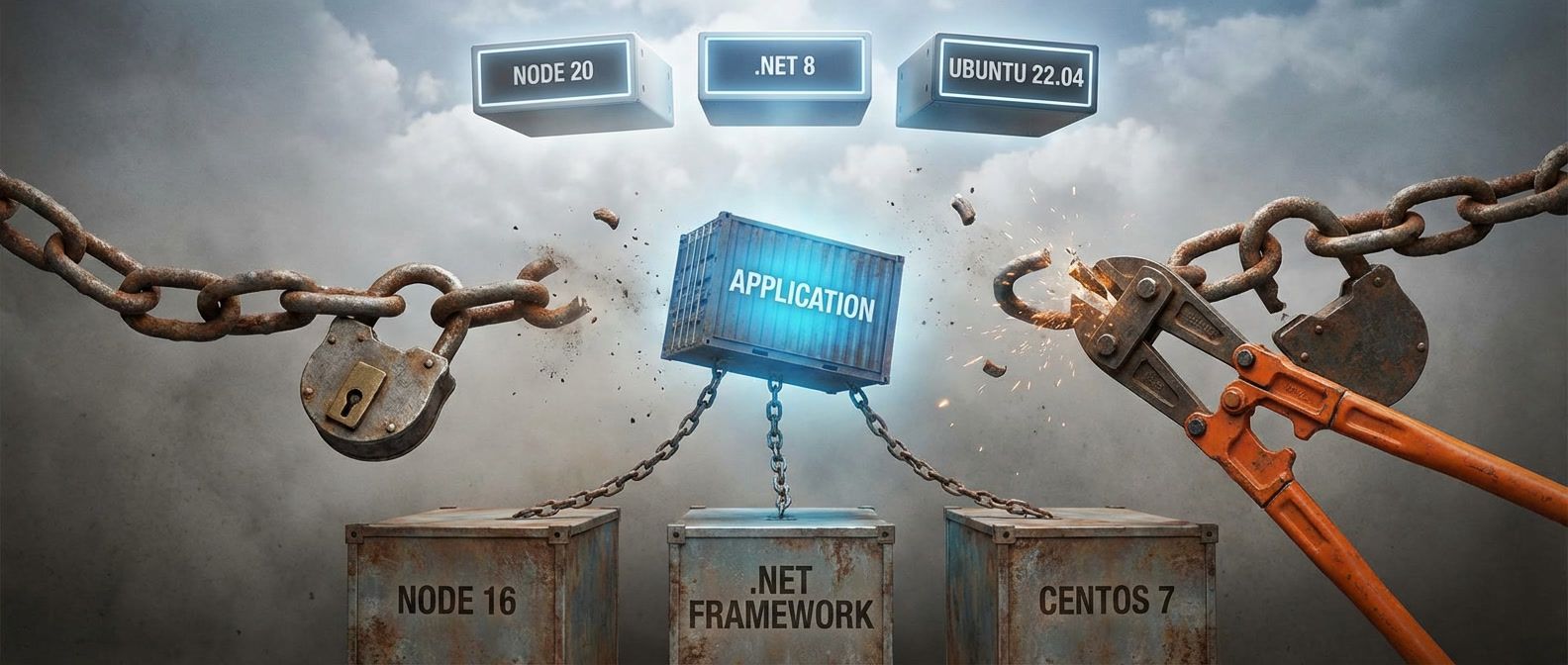
EOL runtime upgrades stall on dependencies you don't own. Here's how to identify blockers, handle abandoned packages, and force version resolution when you're stuck.

Generate realistic test fixtures without copying production data or risking compliance violations.

How to control tracing costs, choose the right sampling strategy, and still debug effectively.
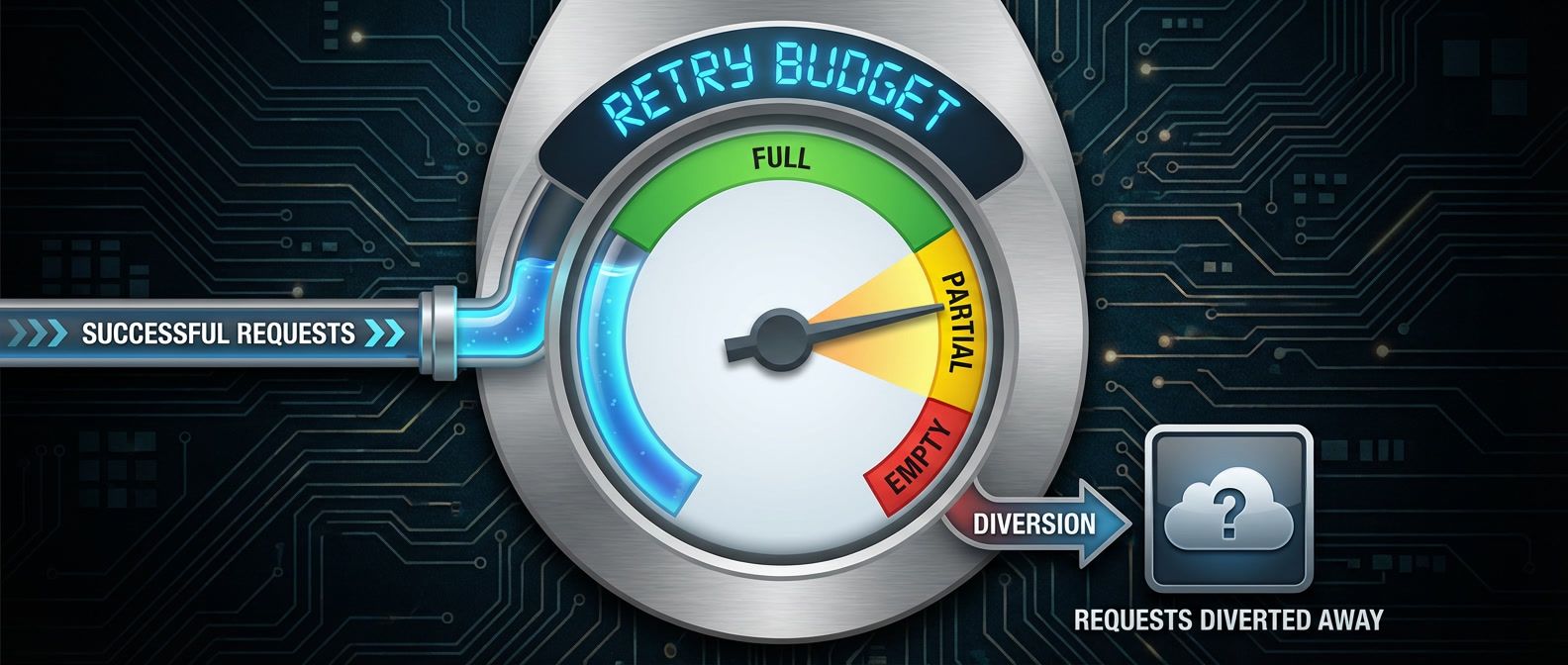
Protecting downstream services from cascade failures without hiding real problems behind open circuits.

Balancing standardization with team autonomy so the right thing is easy but not the only option.

Consumer-driven contracts catch breaking API changes at PR time, not in production. Here's how to escape the integration test trap.
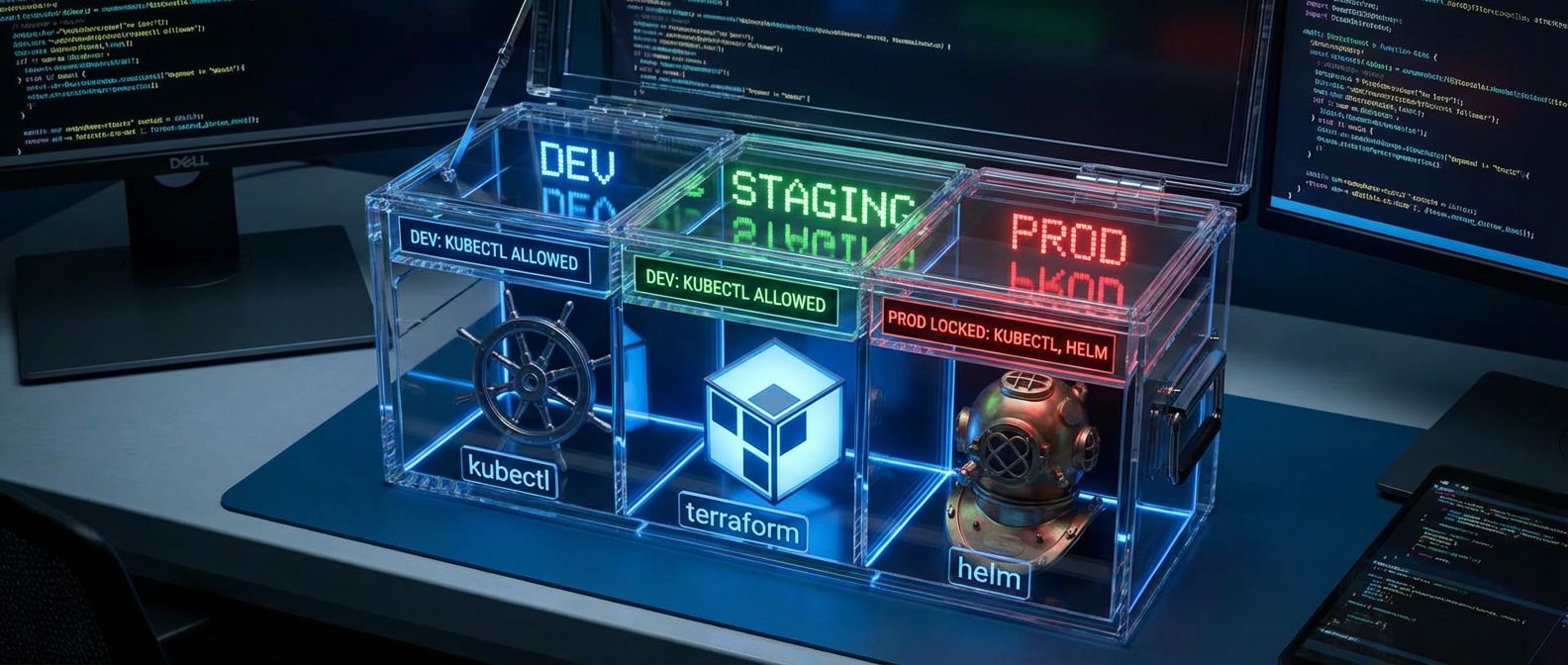
When to build abstractions over kubectl or terraform and when the wrapper creates more problems than it solves.