
Article
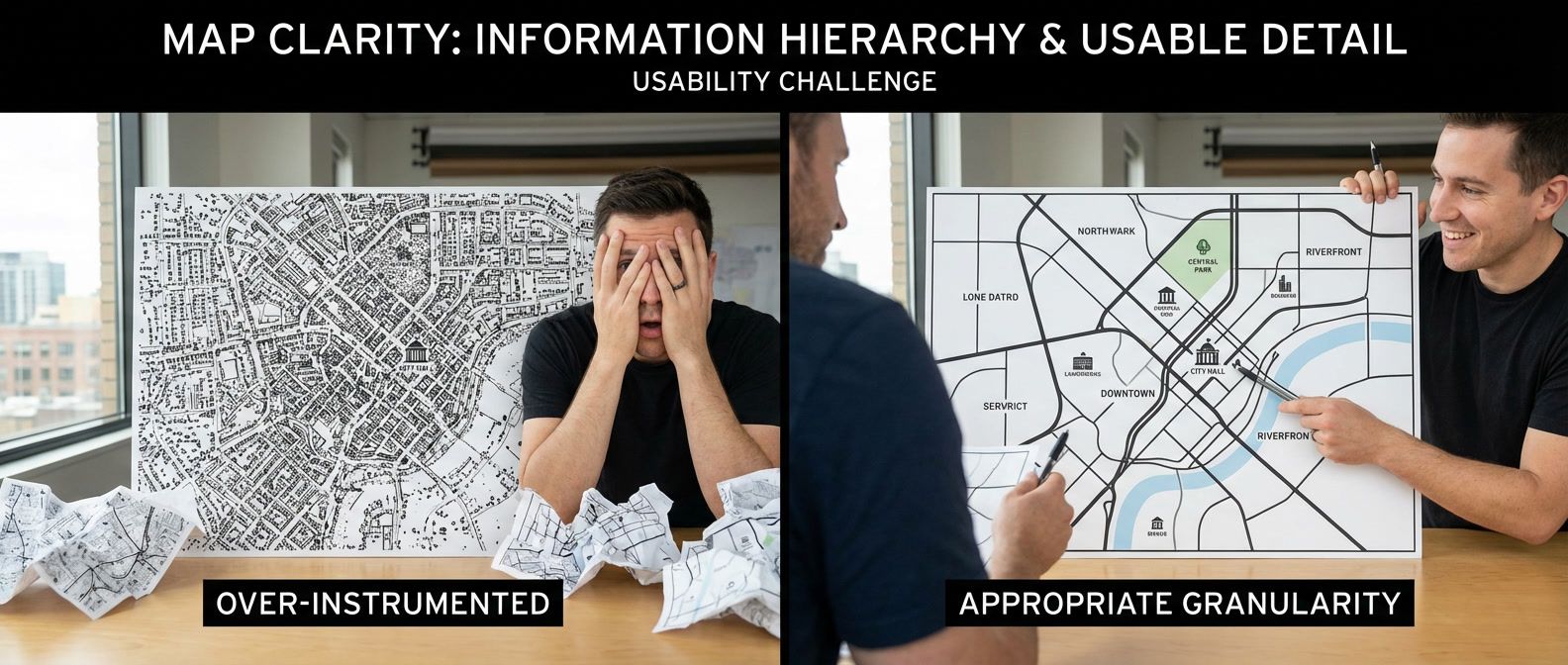
Tracing Span Design: How Many Is Too Many
Balancing trace granularity against overhead, storage, and the ability to actually read trace waterfalls.
Learn more
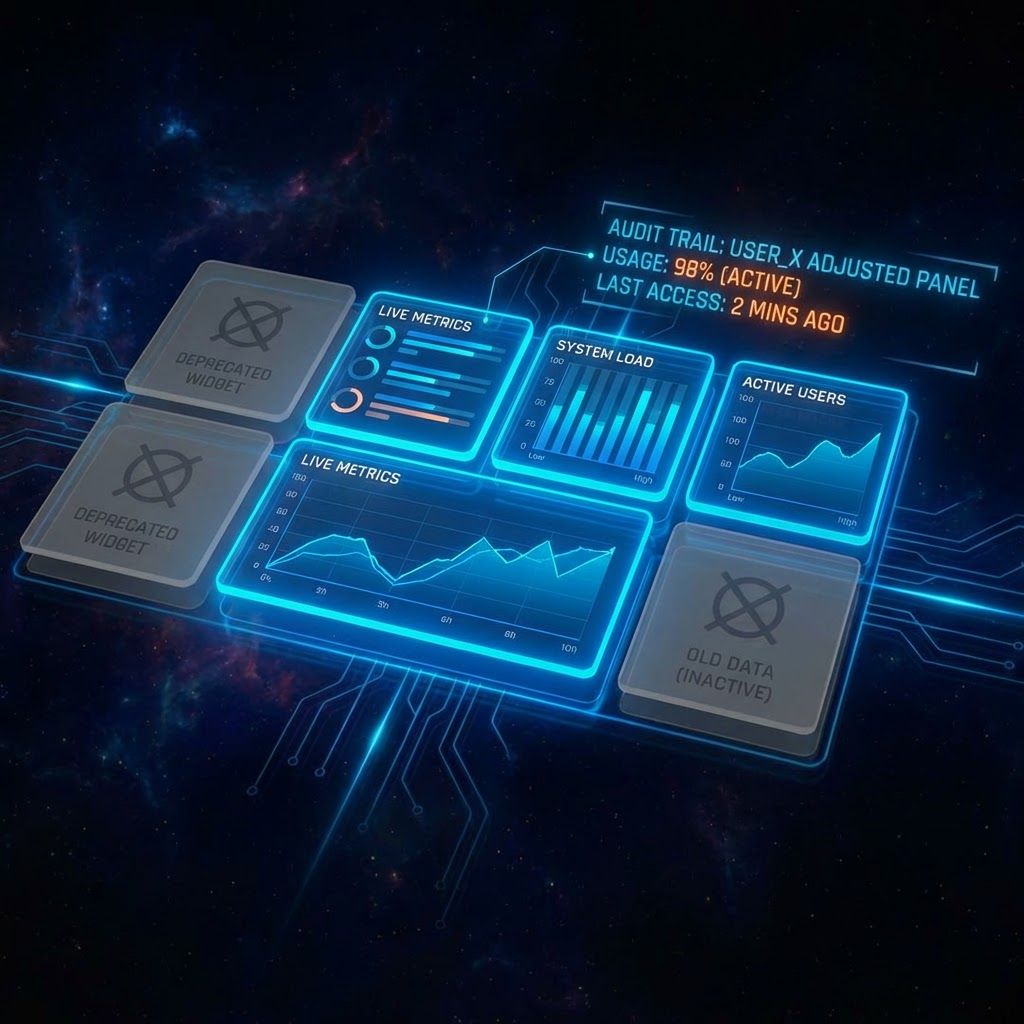
Tracing, metrics, structured logging, and turning telemetry into actionable insight
Observability is the difference between knowing a system is broken and understanding why. Metrics tell you something is wrong; traces show you where the latency hides; logs give you the context to debug. But telemetry alone is not observability. The real work is designing signals that surface problems before users notice, building dashboards that get looked at, and tuning alerts that wake people up for the right reasons.
This category covers the practical side of observability engineering. Metrics cardinality sounds like a minor concern until a label with unbounded values brings your monitoring stack to its knees. Distributed tracing promises end-to-end visibility, but 100% sampling is expensive and usually unnecessary. Structured logging requires discipline to maintain consistency across services. Alert fatigue is a cultural problem as much as a technical one. These articles dig into the tradeoffs and failure modes that documentation rarely addresses.
Whether you are instrumenting a new service, trying to reduce noise in your alerting pipeline, auditing dashboards that nobody looks at, or debugging a latency spike with incomplete traces, the content here reflects hands-on experience with the unglamorous work of making systems understandable.
Balancing trace granularity against overhead, storage, and the ability to actually read trace waterfalls.

Auditing dashboards to delete what nobody looks at and keep what remains useful.

Sampling strategies that give you tracing value without the cost and noise of tracing every request.
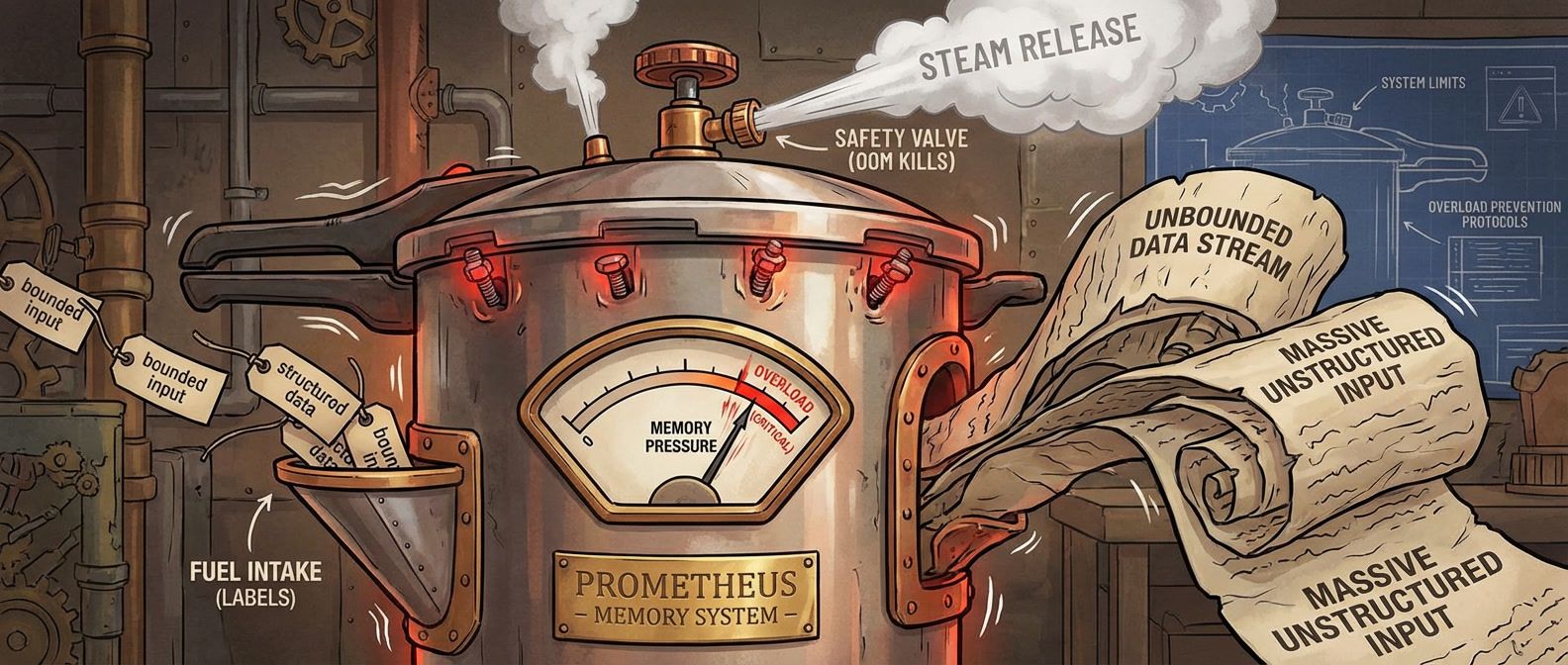
What happens when unbounded label values explode your metrics storage, and how to design around it.

Field naming, correlation IDs, and noise filtering that keep logs useful as volume grows.

Designing alerts that wake people up for real problems and include runbooks for resolution.