

Article
Ephemeral Environments Without Runaway Costs
Preview deployments for every PR without surprise cloud bills or orphaned infrastructure.
Learn more
Container orchestration platform for scheduling, networking, and scaling workloads
Kubernetes is the operating system of platform engineering. Its declarative API, reconciliation loop, and extensibility model provide the foundation that tools like Argo CD, Crossplane, and Helm build on. For platform teams, Kubernetes is less about running containers and more about providing a consistent control plane where infrastructure, deployments, and policies converge into a single programmable surface that application teams consume through self-service abstractions.
The depth of Kubernetes knowledge that platform engineering demands goes well beyond deploying workloads. Cluster networking with CNI plugins, ingress controller tuning, pod security standards, RBAC policy design, and resource quota management are the daily concerns that determine whether a multi-tenant cluster is secure and stable or a shared liability. Custom Resource Definitions and operator patterns let platform teams extend the API server with domain-specific abstractions—turning Kubernetes into a platform-building framework rather than just a runtime.
Operational maturity means understanding failure modes: etcd latency under load, node pressure evictions, webhook timeout cascading, and the subtle ways misconfigured HPA and PDB interact during rollouts. Platform engineers who invest in cluster observability, upgrade automation, and capacity planning build platforms that application teams trust. Those who treat Kubernetes as a black-box deployment target inevitably face reliability surprises at scale.
Preview deployments for every PR without surprise cloud bills or orphaned infrastructure.

Certificate rotation, trust hierarchies, and the operational footguns that make mTLS harder than it looks.
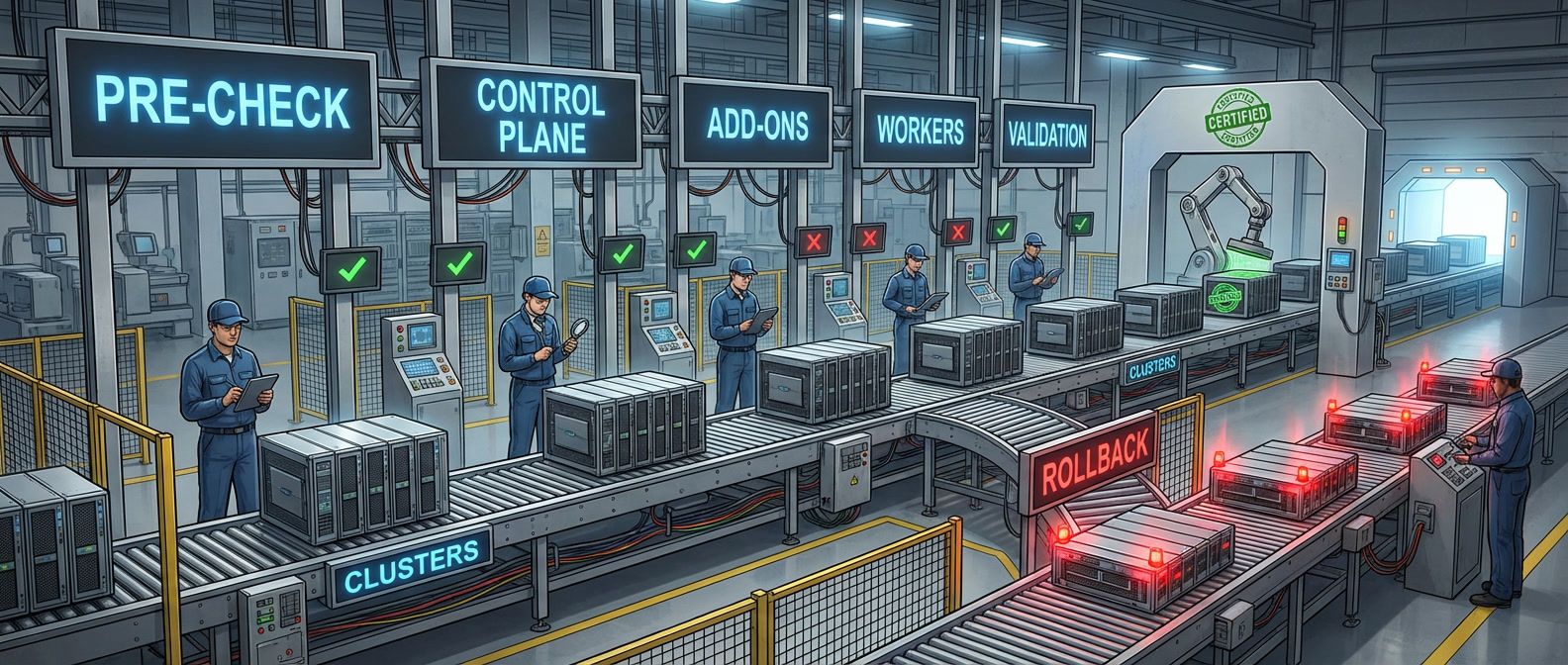
A playbook for cluster upgrades that minimizes risk and keeps the process predictable.
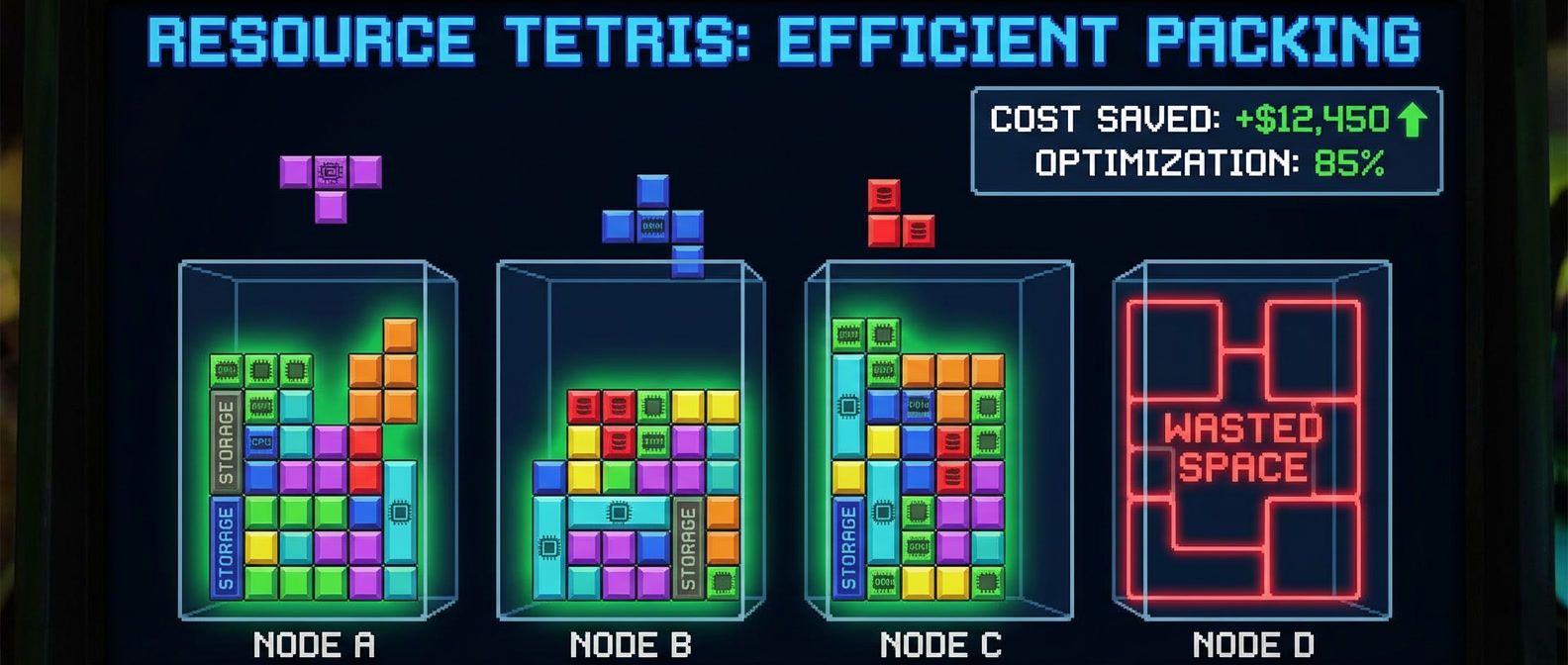
The boring resource decisions that actually determine your cloud spend on Kubernetes clusters.
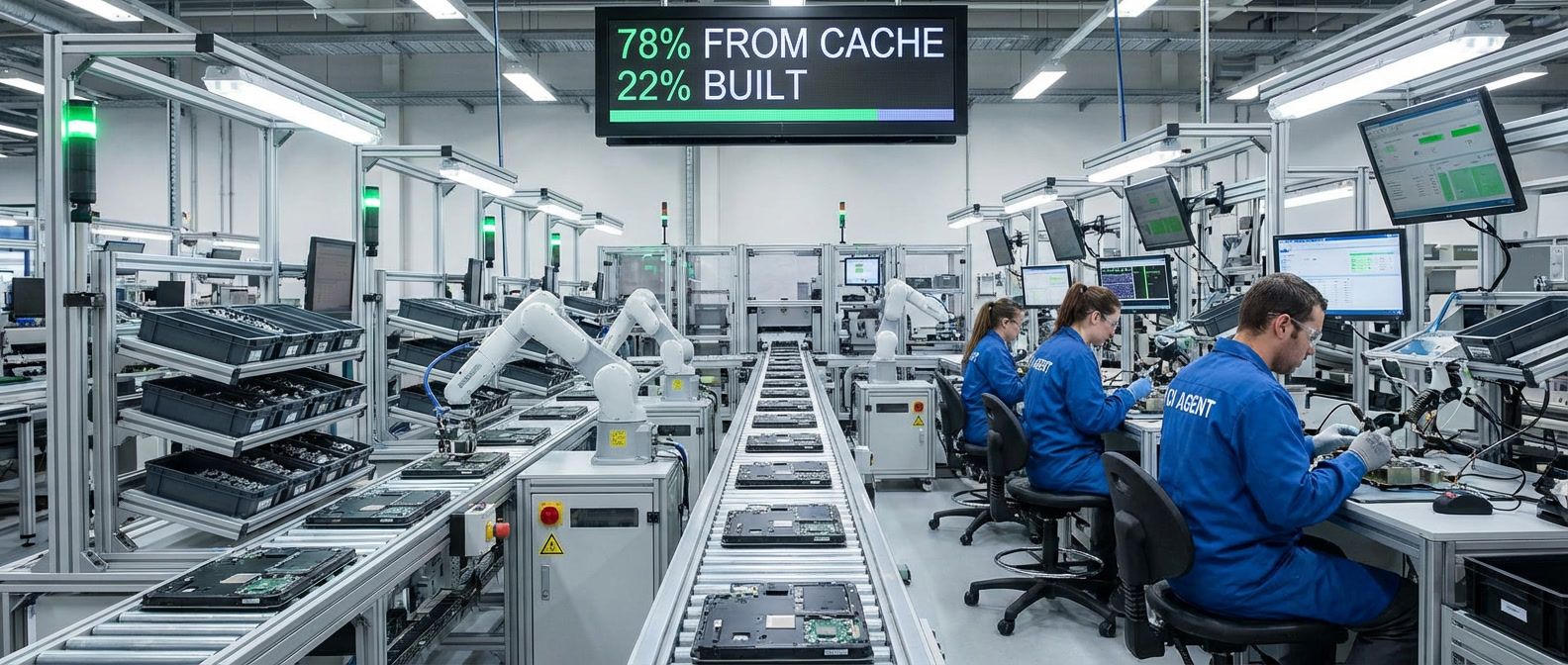
Building only what changed with affected-based builds and remote caching that actually speeds up CI.
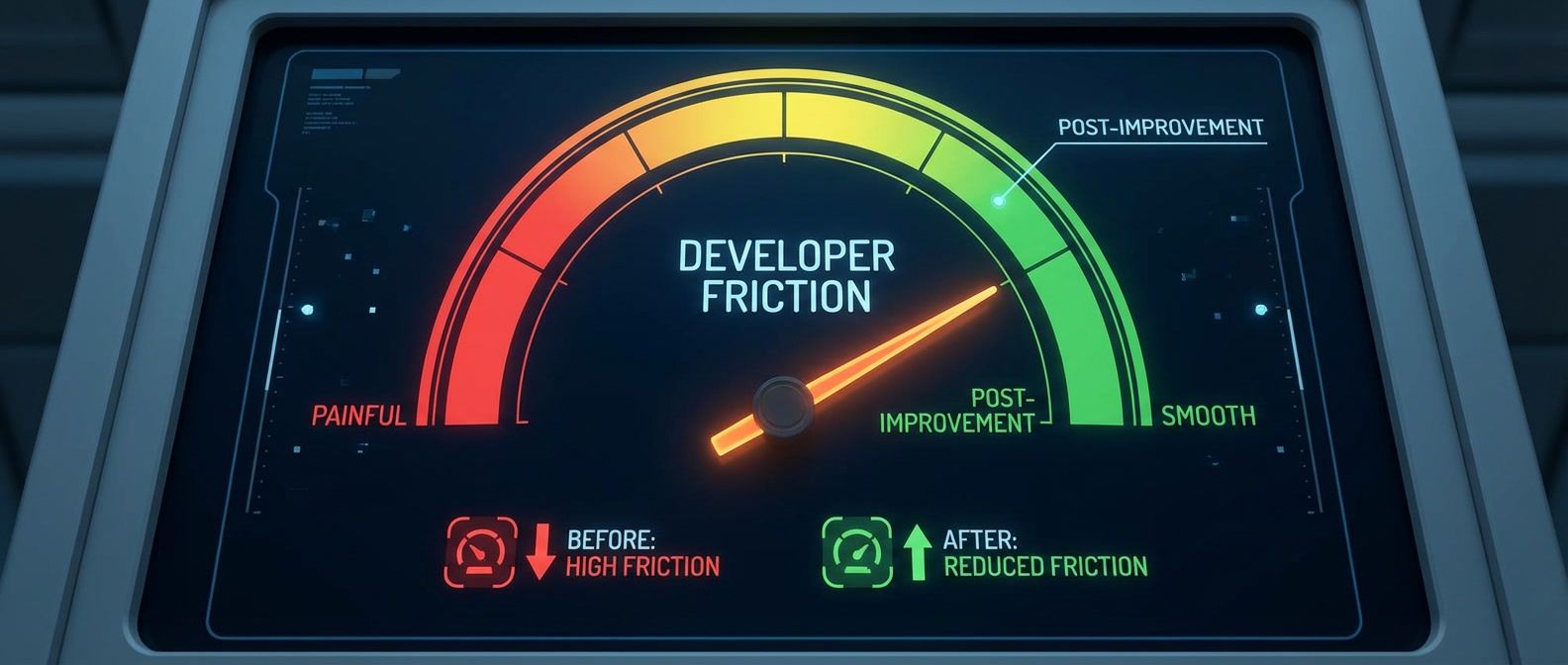
Lead time, onboarding time, and ticket deflection metrics that show whether your platform reduces friction.
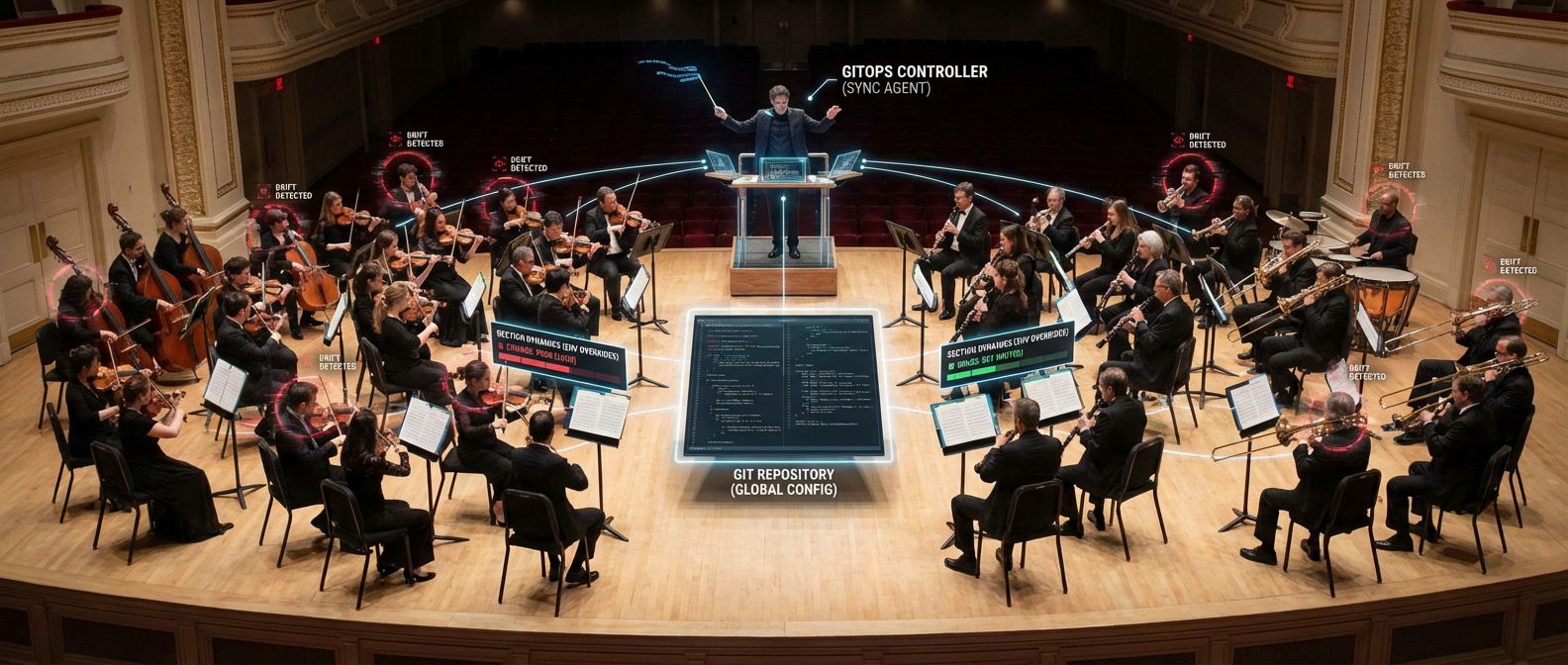
Managing configuration across dev, staging, and production clusters without drift or duplication.
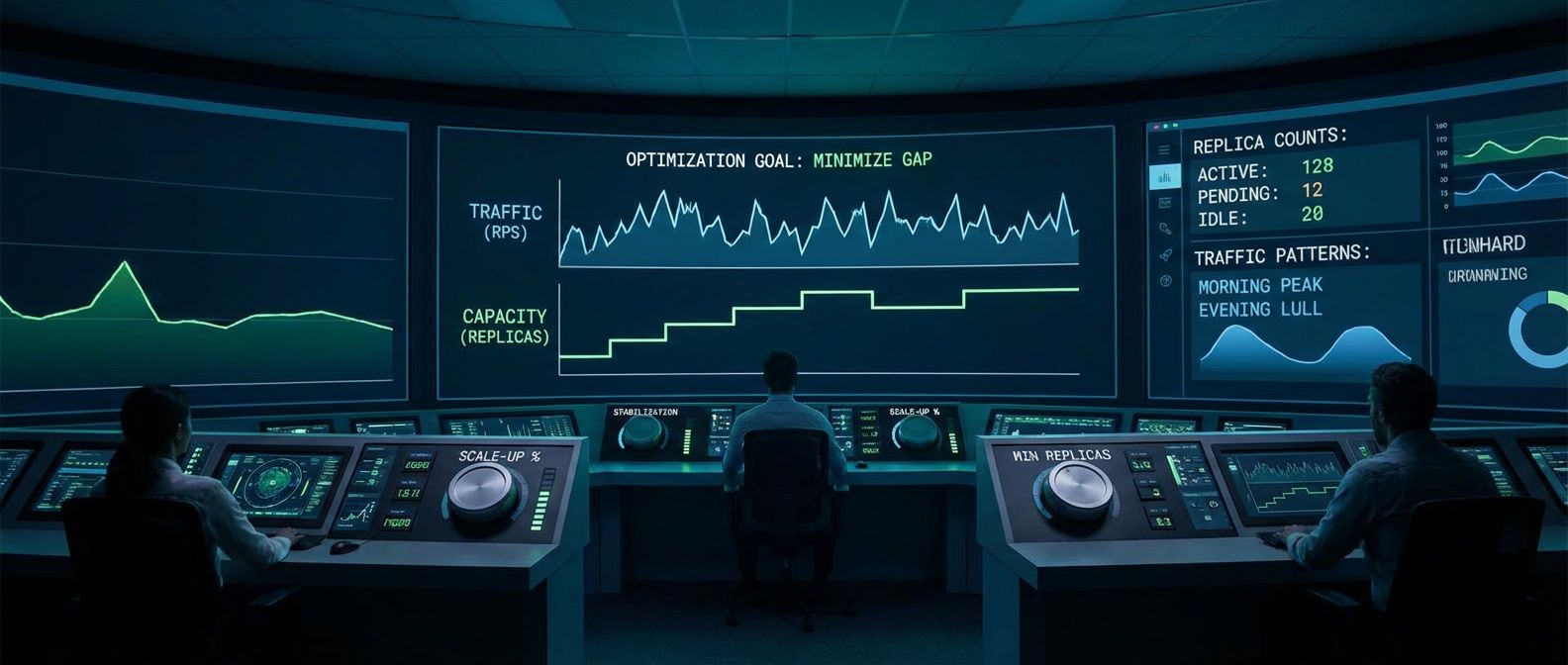
Why Horizontal Pod Autoscaler often reacts too slowly and how to tune it for your traffic patterns.
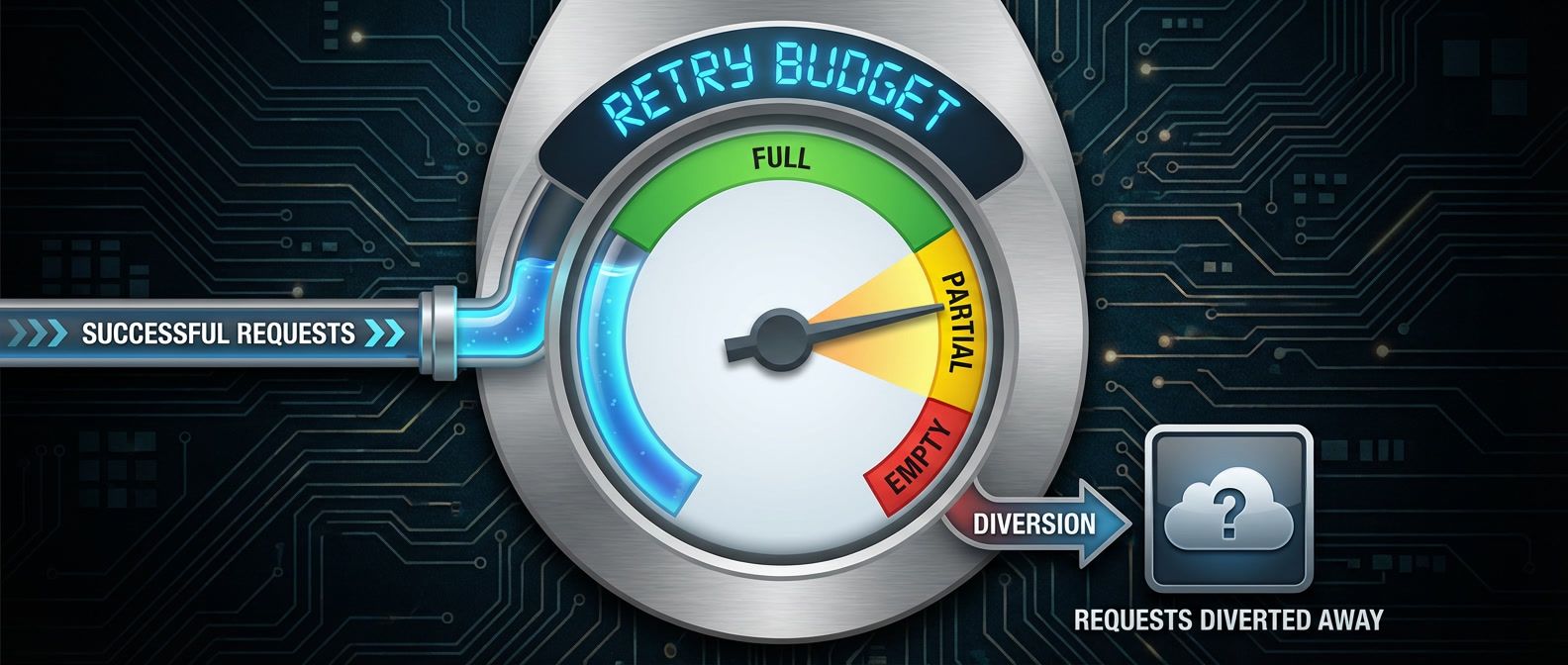
Protecting downstream services from cascade failures without hiding real problems behind open circuits.
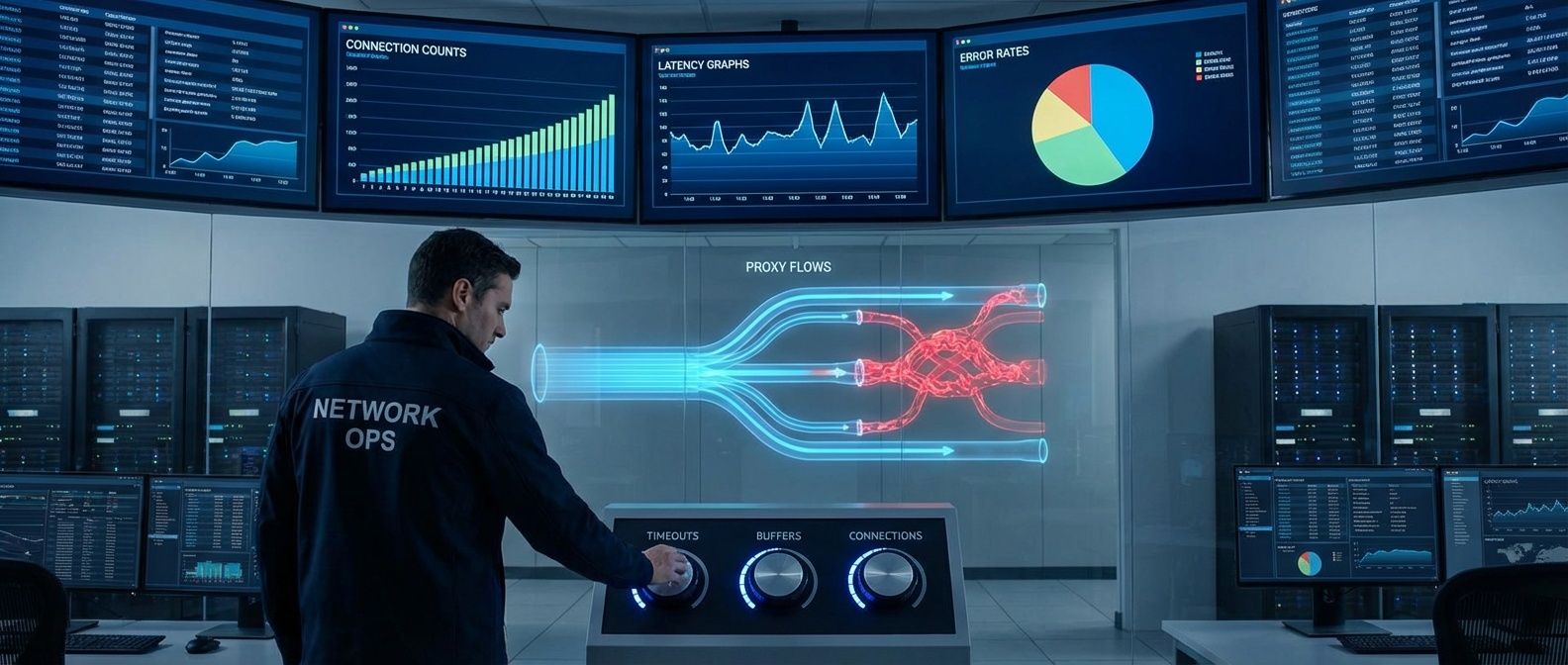
Why default nginx and HAProxy configurations fail under load and how to tune them for production.

Configuring PodDisruptionBudgets to survive node rotations without blocking cluster operations.

Scream tests, traffic analysis, and soft shutdowns for services nobody remembers but everyone depends on.