
Article
Release Health Gates Without Blocking Everything
Automated quality gates that catch real failures without becoming a bottleneck or a source of false positives.
Learn more

Unified dashboards for metrics, logs, and traces across the observability stack
Grafana has grown from a metrics dashboard into the visualization layer for the entire observability stack. Paired with Prometheus for metrics, Loki for logs, Tempo for traces, and Mimir for long-term storage, it gives platform teams a single interface to correlate signals across infrastructure and applications. The ability to jump from a spike on a dashboard panel to the exact log lines and traces that explain it is what turns monitoring from a passive display into an active debugging tool.
For platform engineering, Grafana’s value is in standardization. Dashboard-as-code with Grafonnet or Terraform’s Grafana provider lets teams version-control their observability views alongside the infrastructure they describe. Alerting rules defined in code, provisioned through CI, and routed through Alertmanager or Grafana’s built-in contact points create a repeatable incident response foundation. SLO dashboards backed by real error budgets give service owners a shared language for reliability conversations.
The operational reality is dashboard sprawl. Without governance, every team creates bespoke dashboards that nobody else can interpret. Platform teams that invest in golden-signal dashboard templates, consistent label taxonomies, and self-service provisioning through Backstage or internal tooling get observability that scales. Those that don’t end up with hundreds of dashboards and no shared understanding of system health.
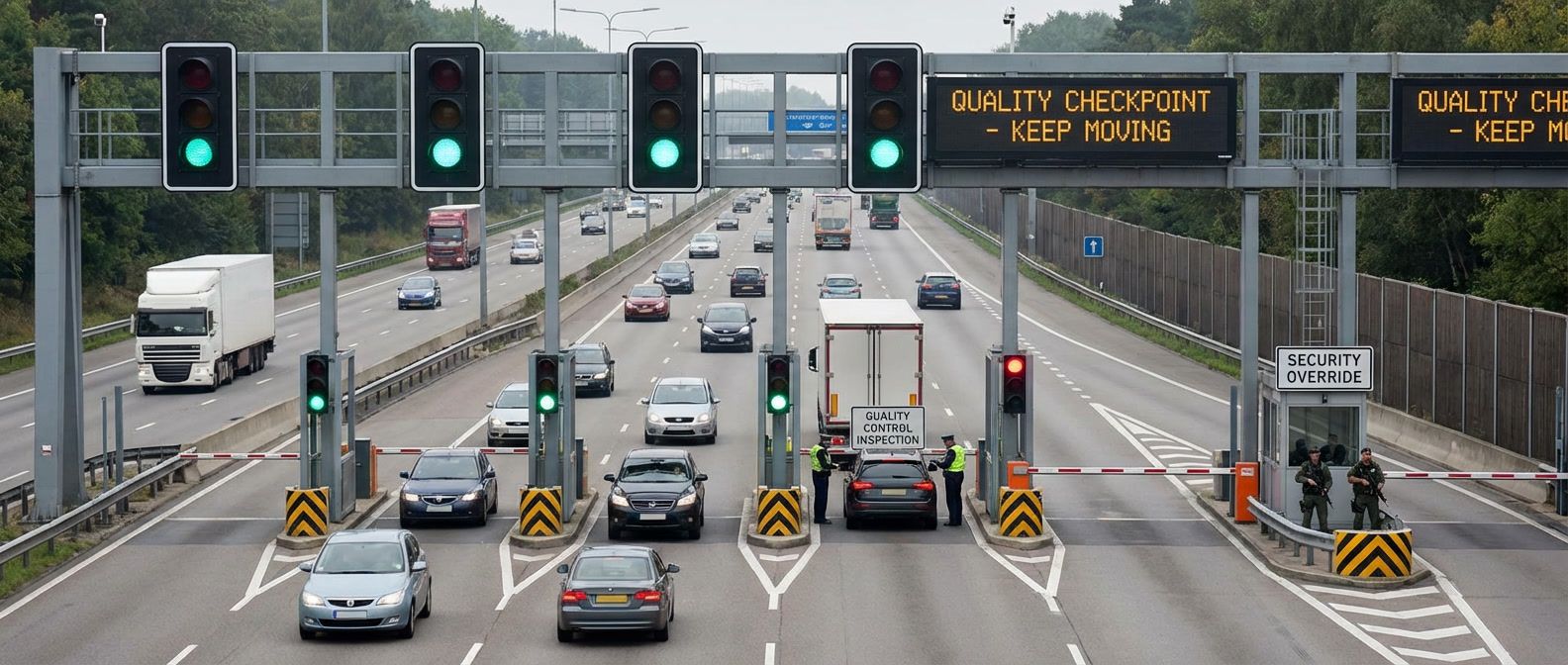
Automated quality gates that catch real failures without becoming a bottleneck or a source of false positives.

Auditing dashboards to delete what nobody looks at and keep what remains useful.
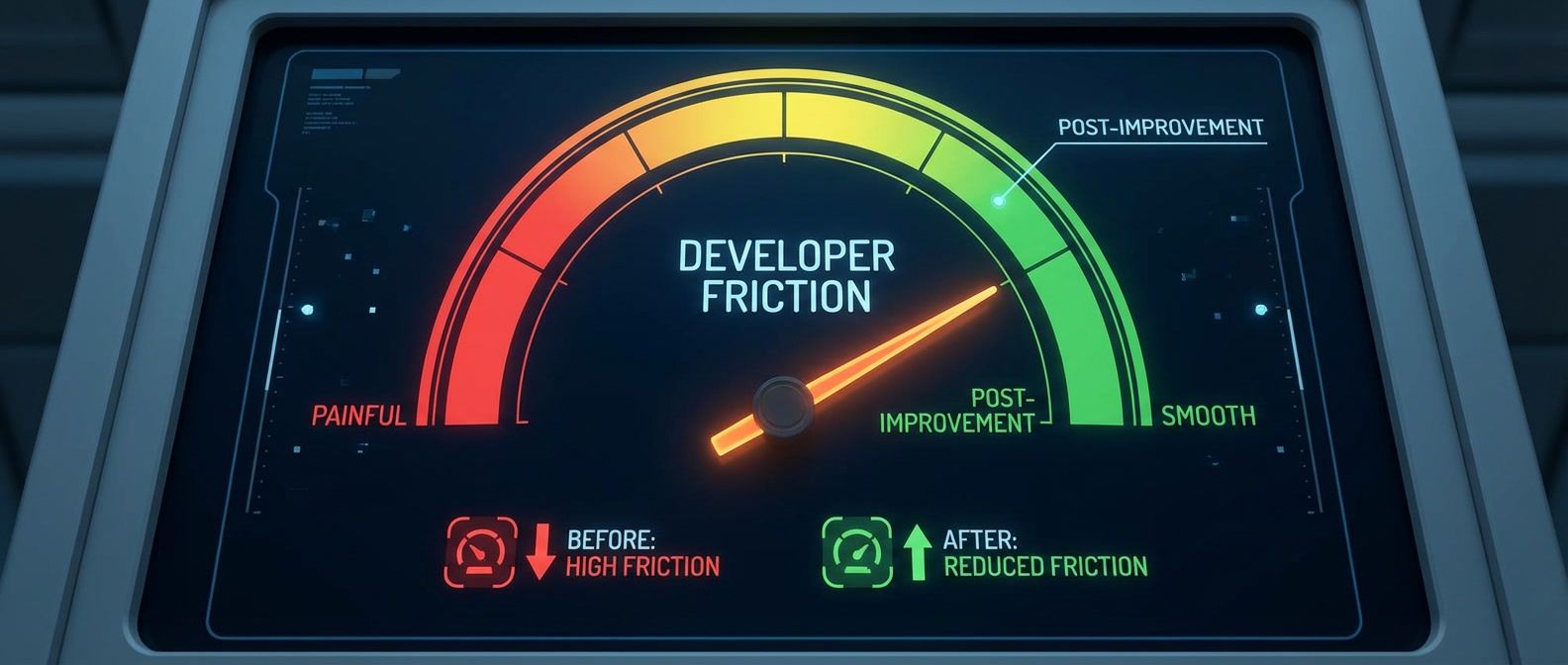
Lead time, onboarding time, and ticket deflection metrics that show whether your platform reduces friction.

Sampling strategies that give you tracing value without the cost and noise of tracing every request.
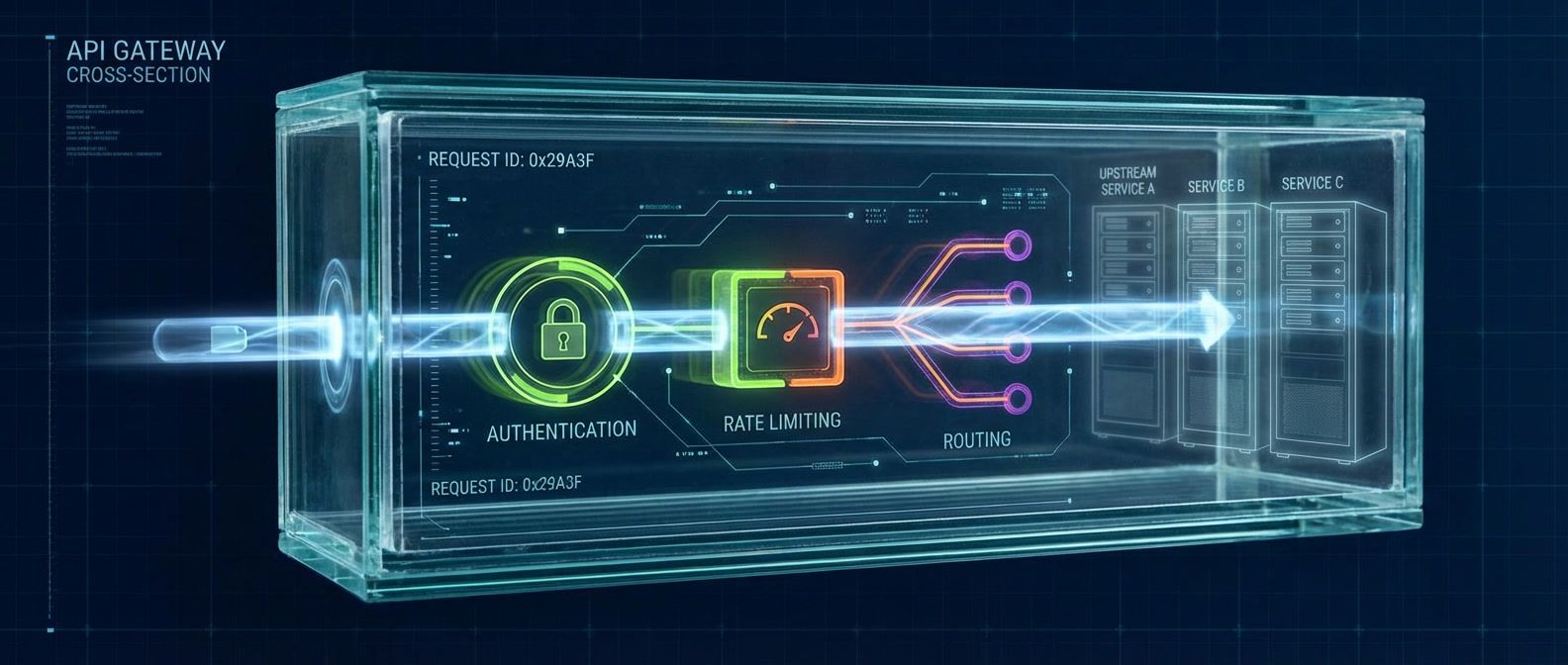
Metrics, traces, and logs from your gateway that help debug production issues instead of generating noise.
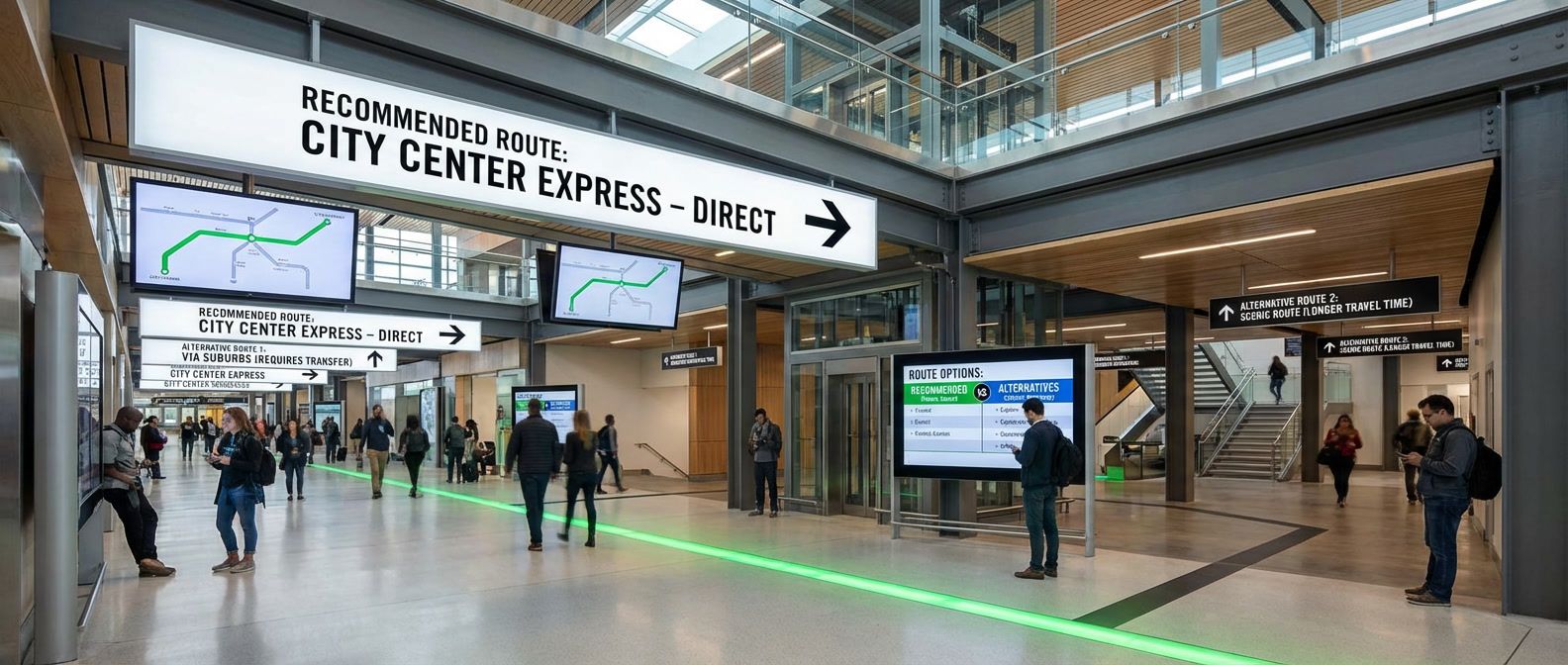
Balancing standardization with team autonomy so the right thing is easy but not the only option.
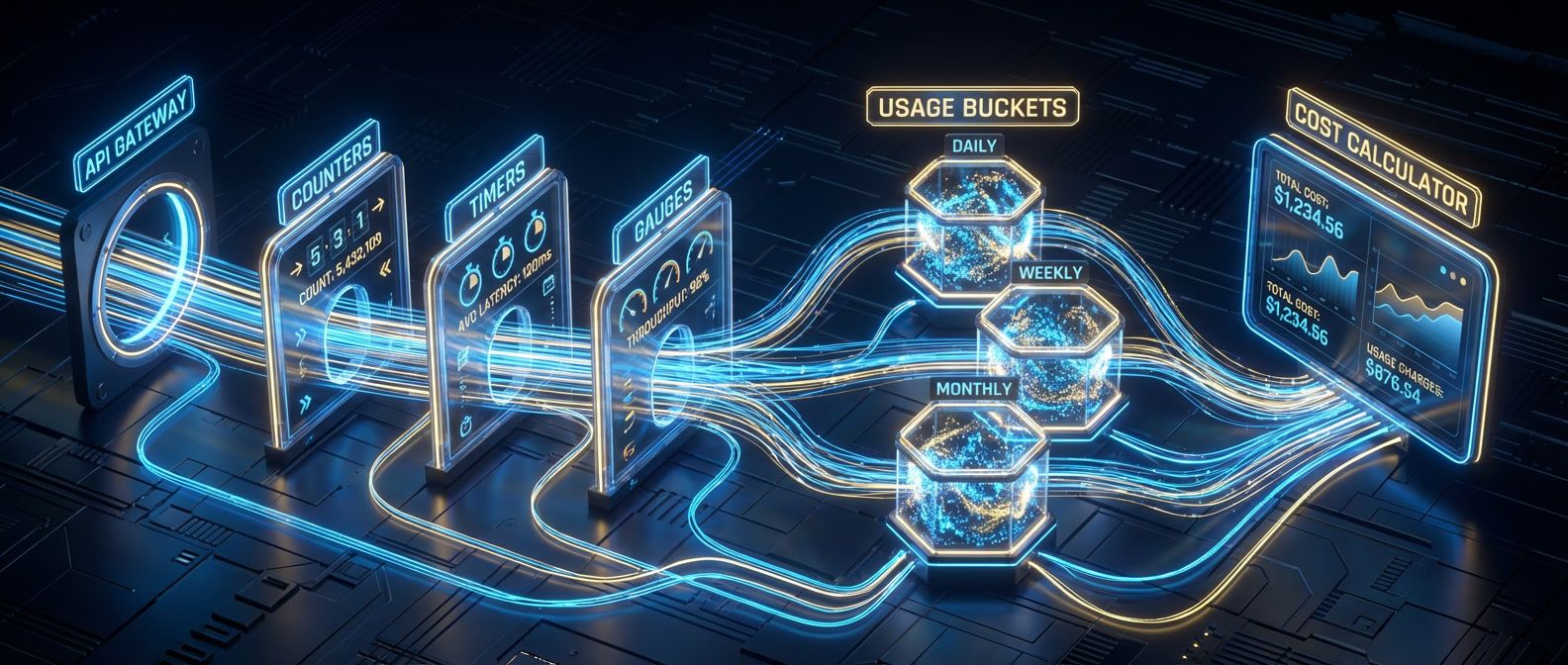
How to track API usage, enforce quotas, and implement charge-back models without a finance degree.
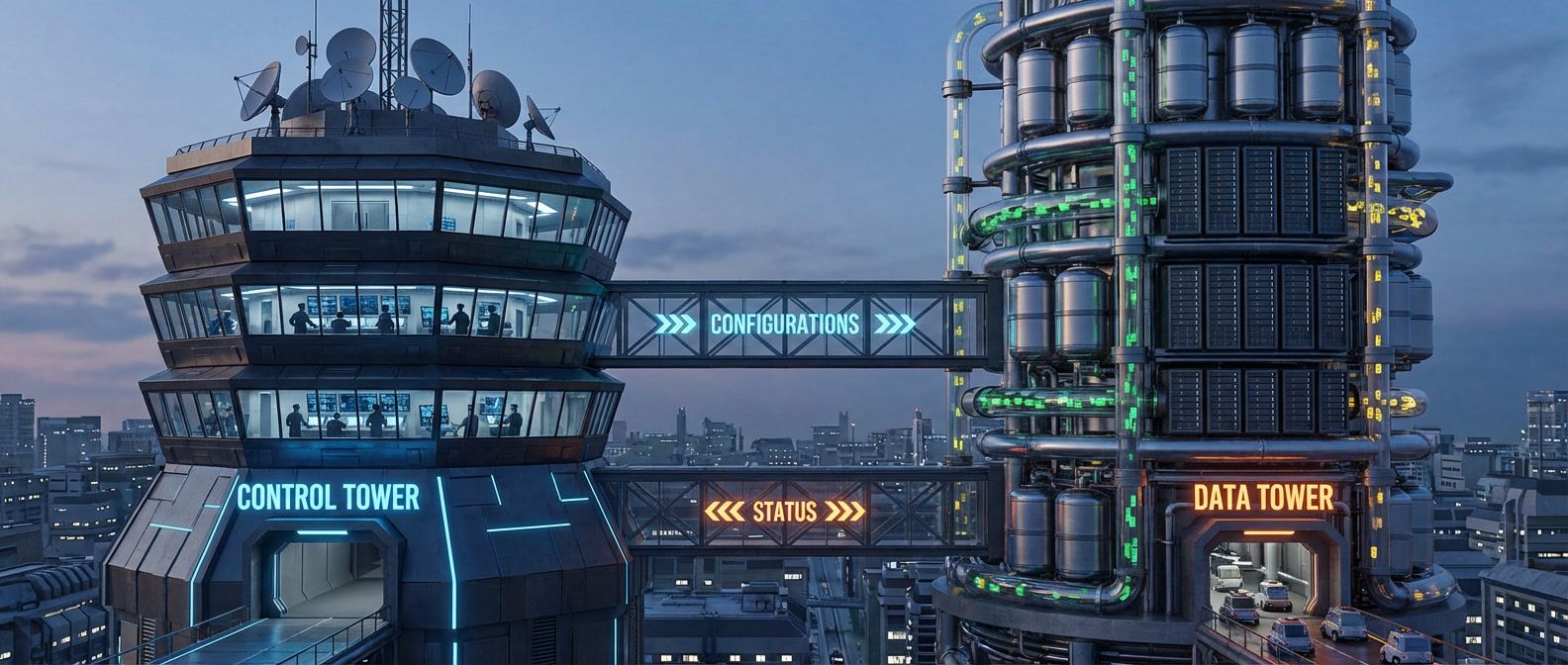
Separating platform control surfaces from runtime infrastructure for multi-team boundaries and scaling.
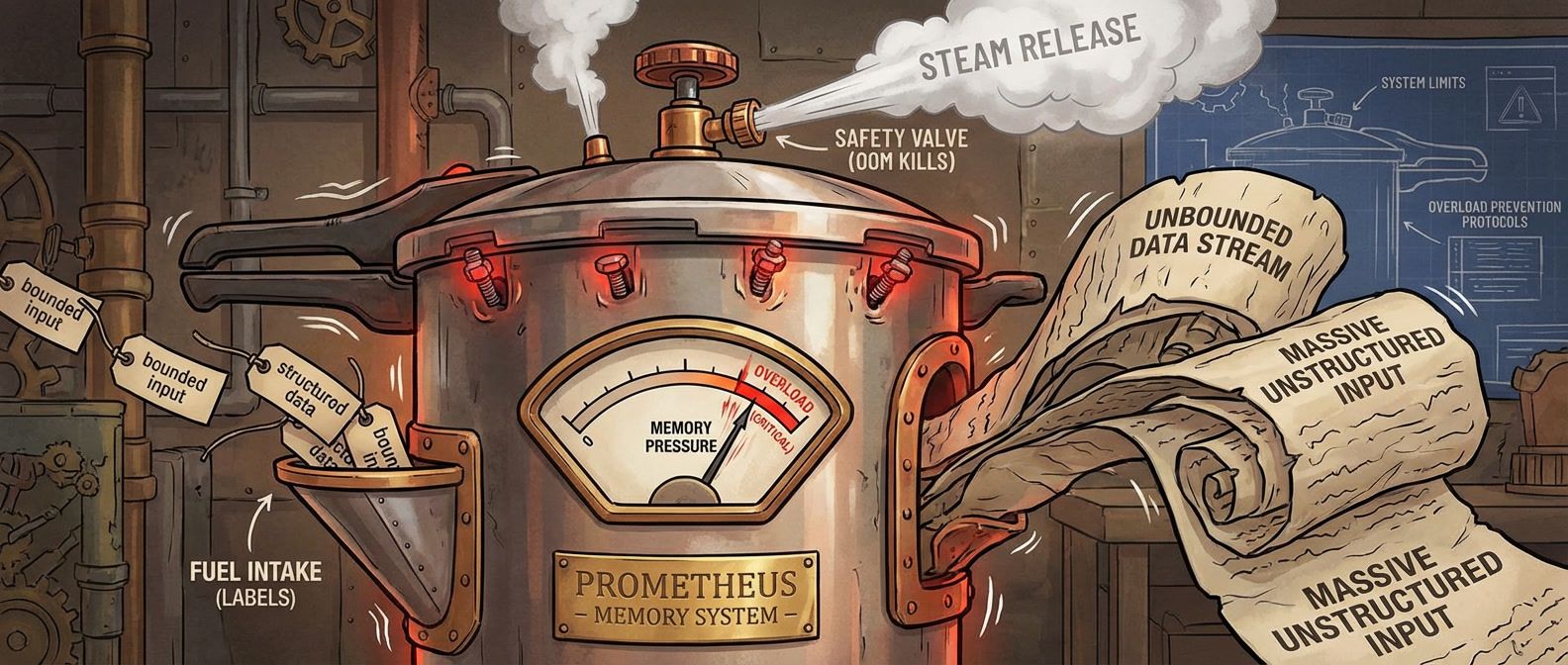
What happens when unbounded label values explode your metrics storage, and how to design around it.
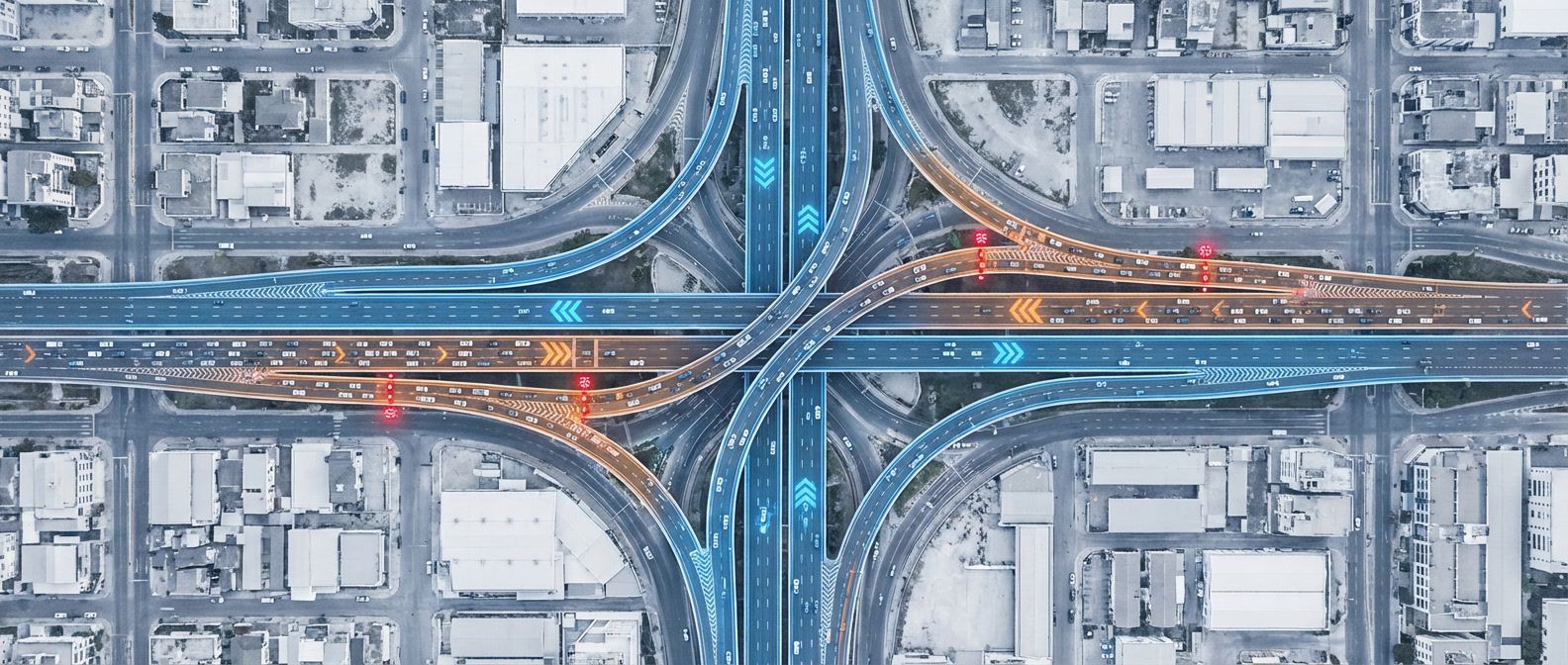
Load shedding, queue depth limits, and admission control that keep systems responsive when overloaded.
Designing catalog schemas with ownership, lifecycle, and dependency data that stays accurate over time.

Designing alerts that wake people up for real problems and include runbooks for resolution.