

Article
Flaky E2E Tests: Systematic Diagnosis
Finding and fixing the race conditions, timing issues, and environment problems that make tests unreliable.
Learn more

SLOs, error budgets, incident response, and testing strategies for production health
Reliability engineering is the practice of keeping systems running when everything conspires to make them fail. It spans the technical (circuit breakers, backpressure, retry budgets) and the organizational (incident response, blameless postmortems, on-call rotations that do not burn people out). The goal is not perfection but predictability: understanding how systems fail, measuring what matters, and making informed tradeoffs between availability and velocity.
This category covers both the SRE fundamentals and the testing practices that support them. SLOs sound simple until you try to pick indicators that actually reflect user experience. Error budgets are powerful negotiation tools until leadership treats them as targets instead of tradeoffs. On-call rotations work until you have three people and 200 alerts. E2E tests provide confidence until flakiness erodes trust. These articles dig into the operational reality of reliability work, where the hard part is rarely the technology.
Whether you are introducing SLOs to a team that has never measured availability, trying to reduce alert fatigue without missing real incidents, debugging flaky tests that only fail in CI, or running chaos experiments without an expensive platform, the content here reflects hands-on experience with the unglamorous work of keeping production healthy.
Finding and fixing the race conditions, timing issues, and environment problems that make tests unreliable.

Systematic triage to reduce alert noise and make the alerts that remain actually actionable.

Blameless postmortems that find systemic causes instead of stopping at who made the mistake.

Realistic fixtures for ephemeral environments that do not expose production data or violate privacy.

Sustainable rotations, escalation policies, and alert quality for teams too small for 24/7 coverage.

Pod killing and latency injection experiments without expensive platforms or dedicated chaos teams.

Load models, warmup procedures, and result interpretation that give you performance data you can trust.

Engineering and business tradeoffs that make extreme availability targets rarely worth the investment.

Integrating vulnerability scanners without blocking every build on false positives or unfixable CVEs.
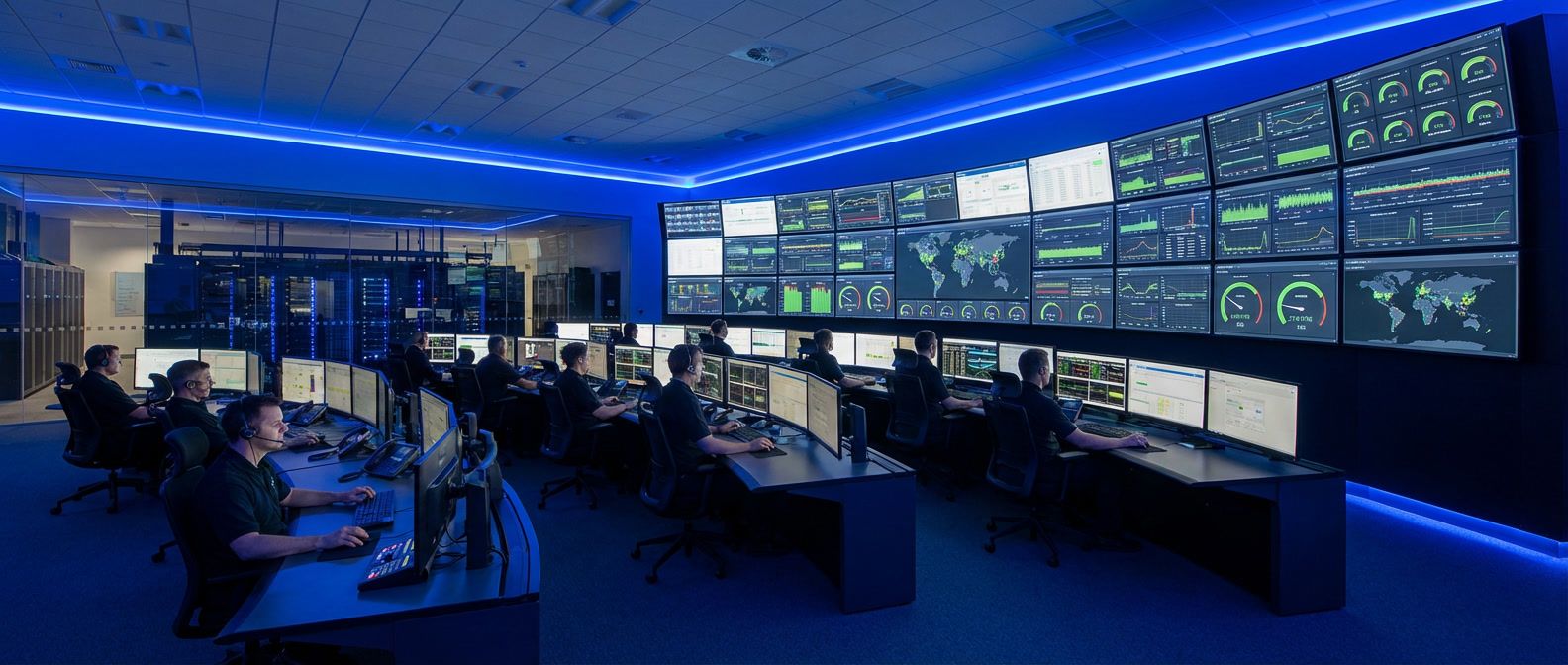
From choosing user-centric metrics to negotiating reliability tradeoffs with stakeholders — the complete framework for service level management.

Load shedding, queue depth limits, and admission control that keep systems responsive when overloaded.