

Article
Dead Letter Queues You Can Actually Drain
DLQ design that makes failed messages debuggable and reprocessable instead of a graveyard.
Learn more

Go-to scripting language for cloud automation, infrastructure glue, and DevOps tools
Python is the default scripting language of platform engineering. When a team needs to automate a cloud workflow, parse API responses, generate Terraform variable files, or build a quick CLI tool, Python is almost always the fastest path from idea to working code. Every major cloud provider ships a Python SDK, Ansible is built on it, and the ecosystem of infrastructure libraries—boto3, azure-sdk, google-cloud-python, kubernetes-client—covers virtually any integration a platform team encounters.
The language excels at glue code and automation. Migration scripts that shuffle data between systems, cost analysis tools that query cloud billing APIs, incident response runbooks that execute remediation steps, and custom Prometheus exporters that scrape proprietary systems all land naturally in Python. Its readability means on-call engineers can understand and modify scripts written by someone else at 3 AM without deciphering clever abstractions.
The tradeoff is runtime performance and packaging complexity. Python scripts need a runtime and dependency management—virtual environments, pip, and version pinning—that adds friction compared to Go’s static binaries. For long-running services or high-throughput data pipelines, the GIL and startup overhead matter. Platform teams that use Python for automation and scripting while reaching for Go or Rust for performance-critical services get the best of both worlds.
DLQ design that makes failed messages debuggable and reprocessable instead of a graveyard.

Pod killing and latency injection experiments without expensive platforms or dedicated chaos teams.
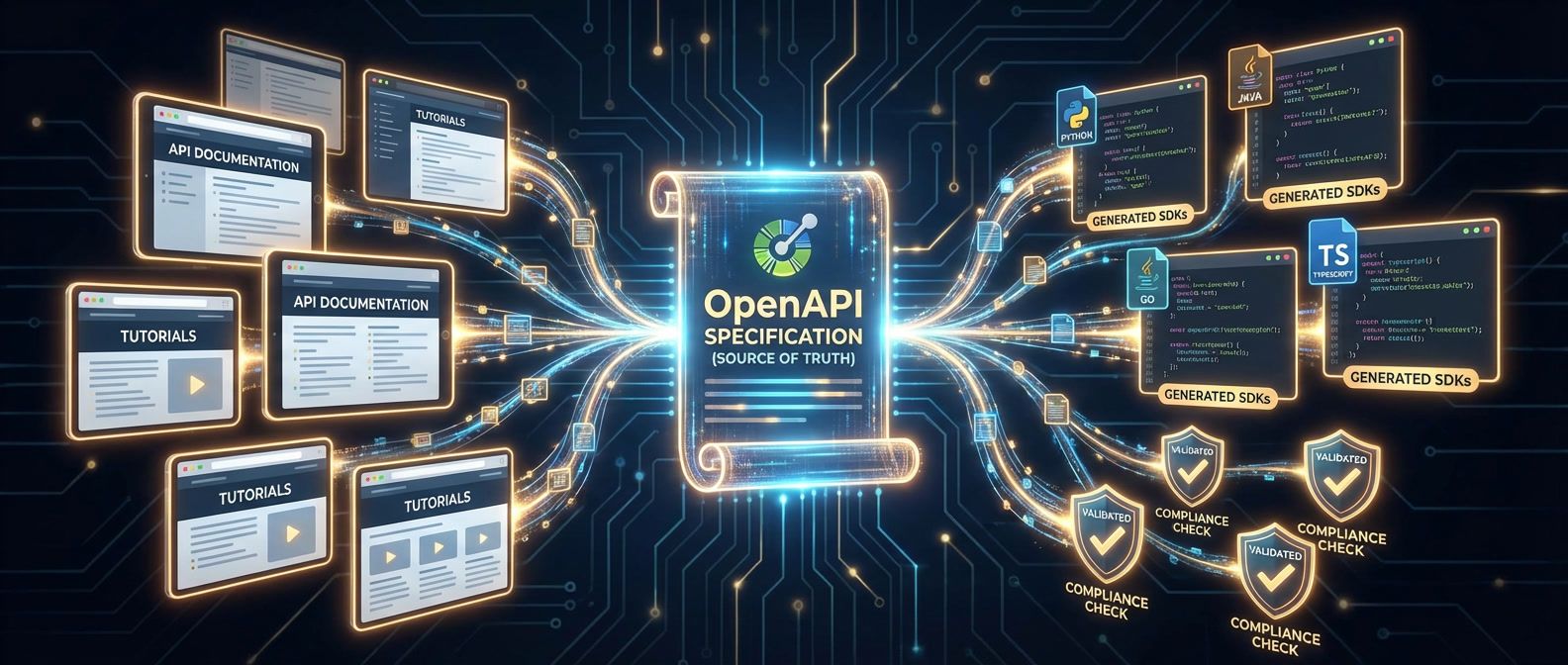
Generating documentation, client SDKs, and request validation from OpenAPI specs without sprawling toolchains.
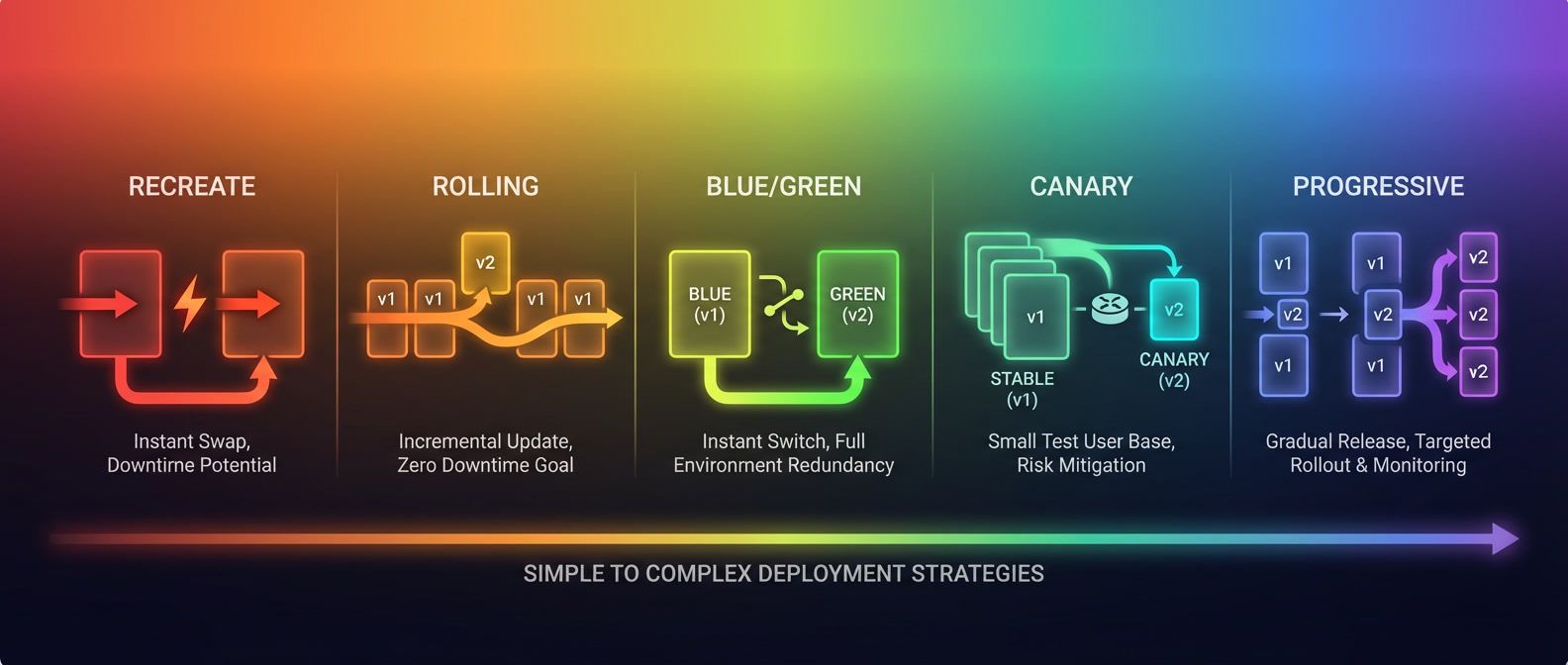
Tradeoffs between deployment strategies for stateless and stateful workloads, with and without service mesh.

How to track API usage, enforce quotas, and implement charge-back models without a finance degree.

Load models, warmup procedures, and result interpretation that give you performance data you can trust.
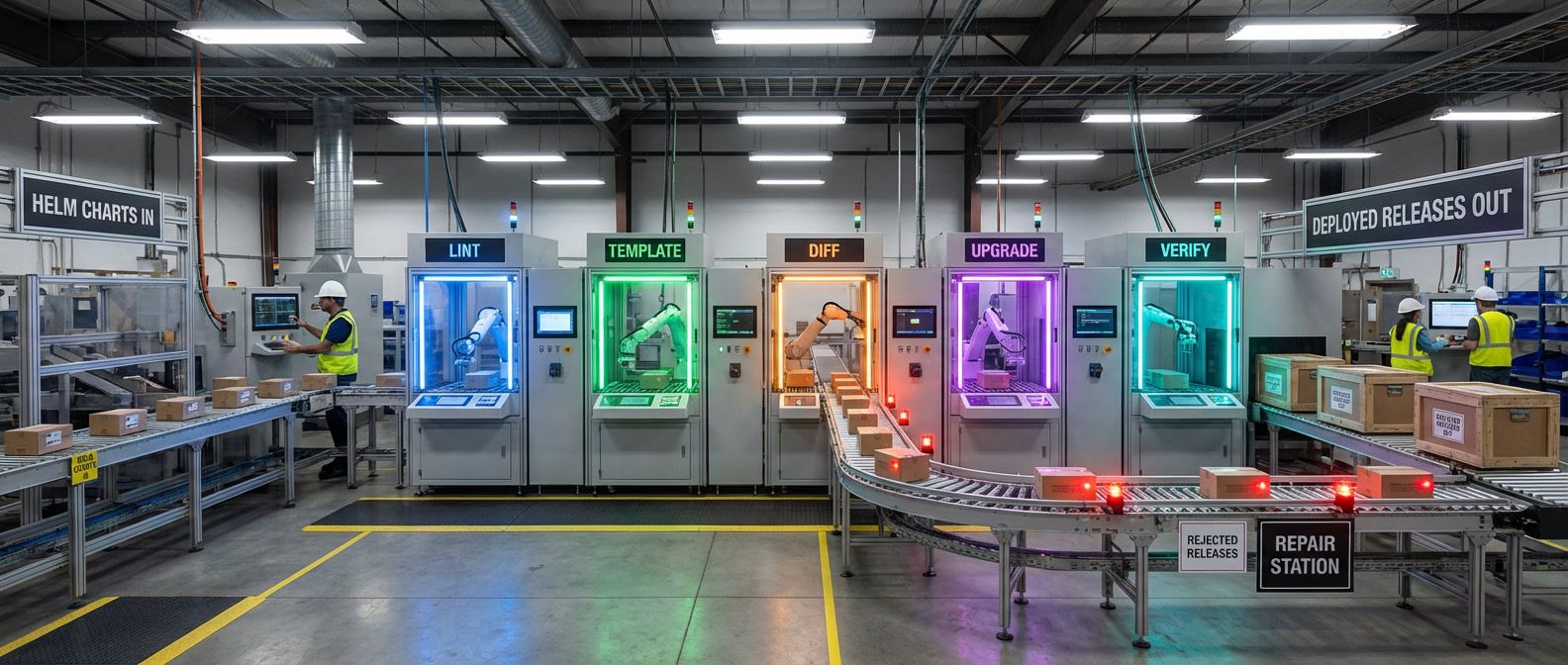
Managing Helm across dozens of services without losing track of what is actually deployed.

Engineering and business tradeoffs that make extreme availability targets rarely worth the investment.

Integrating vulnerability scanners without blocking every build on false positives or unfixable CVEs.
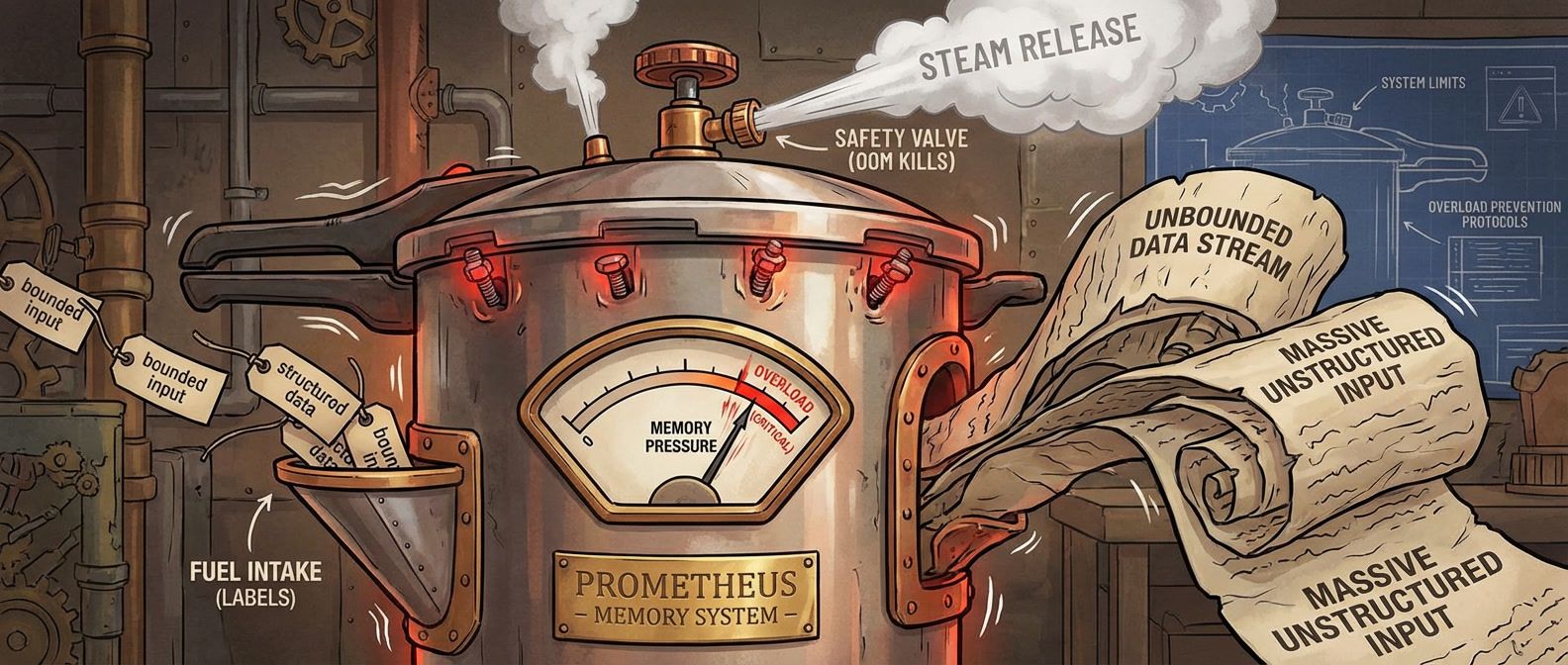
What happens when unbounded label values explode your metrics storage, and how to design around it.

Load shedding, queue depth limits, and admission control that keep systems responsive when overloaded.

Designing message consumers that handle retries and duplicates without corrupting state or duplicating work.