

Article
Terraform State: Failure Modes and Recovery
State locking, backend configuration, and recovery strategies for when state corruption happens.
Learn more

Cluster operations, container orchestration, IaC, and running workloads at scale
Cloud infrastructure is where abstractions meet reality. Kubernetes promises declarative workload management, but delivering on that promise requires understanding scheduling semantics, networking quirks, and the failure modes that emerge when you actually run production traffic. This category covers the operational side of cloud-native infrastructure: container orchestration, multi-cluster patterns, infrastructure-as-code tooling, and the cloud provider specifics that documentation glosses over.
The focus is practical. Requests and limits sound straightforward until a misconfigured QoS class causes cascading evictions during a traffic spike. Terraform state management is simple until your team discovers locking race conditions during a rollback. Helm releases work fine until drift accumulates across dozens of services and nobody knows what is actually deployed. These articles address the gaps between documentation and production.
Whether you are sizing pods with incomplete metrics, debugging DNS latency in a cluster, planning a Kubernetes upgrade that will not wake anyone up, or trying to understand why your cloud bill keeps climbing, the content here draws from hands-on experience with the unglamorous work of keeping infrastructure reliable.
State locking, backend configuration, and recovery strategies for when state corruption happens.
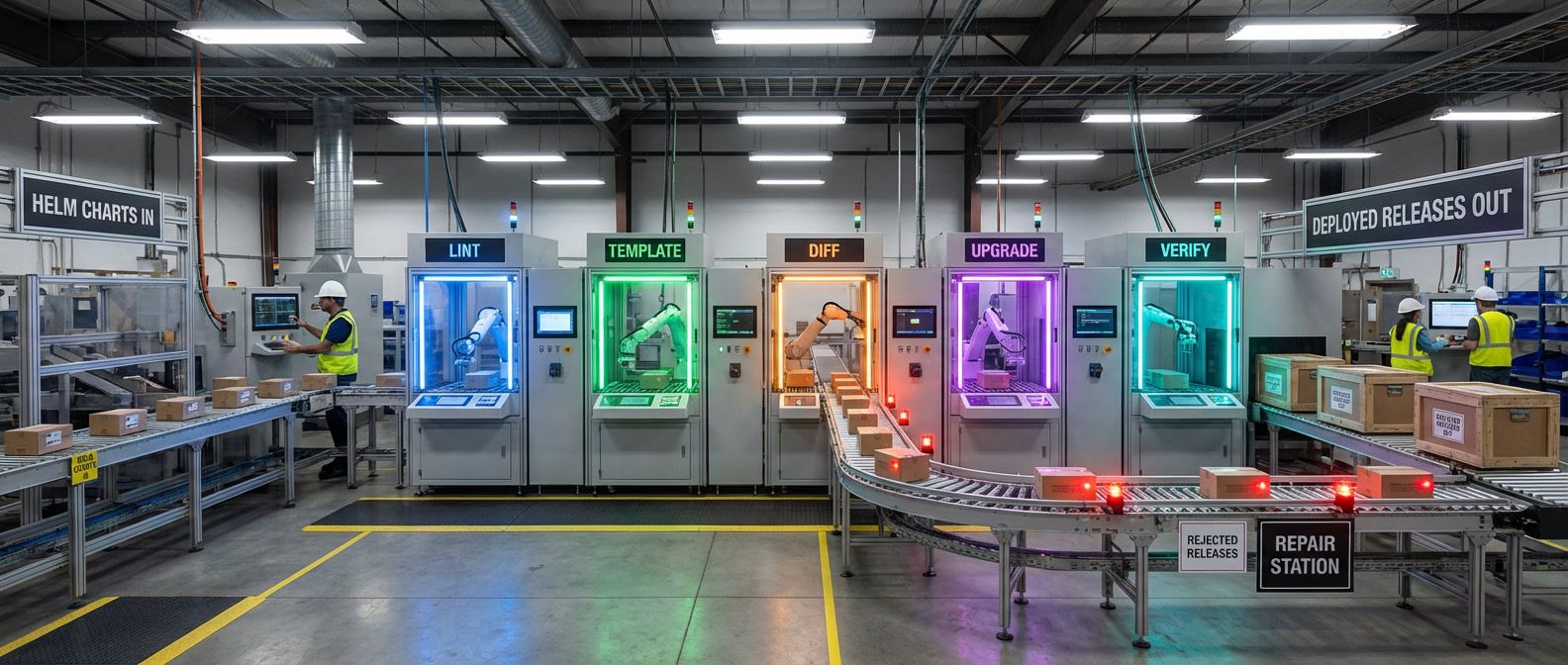
Managing Helm across dozens of services without losing track of what is actually deployed.

Recognizing when simpler infrastructure wins and Kubernetes complexity is not worth the carrying cost.
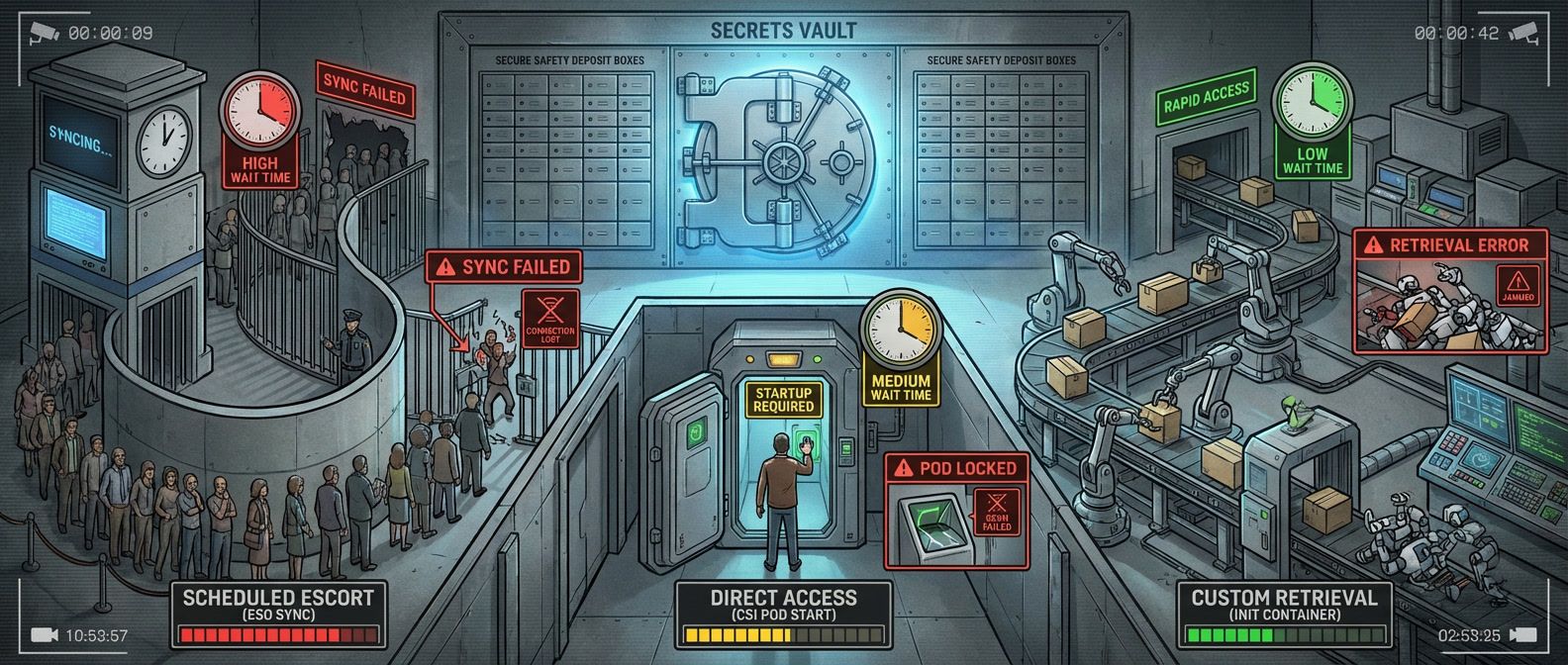
Comparing secret injection patterns and their failure modes when connecting Vault or cloud secret managers.
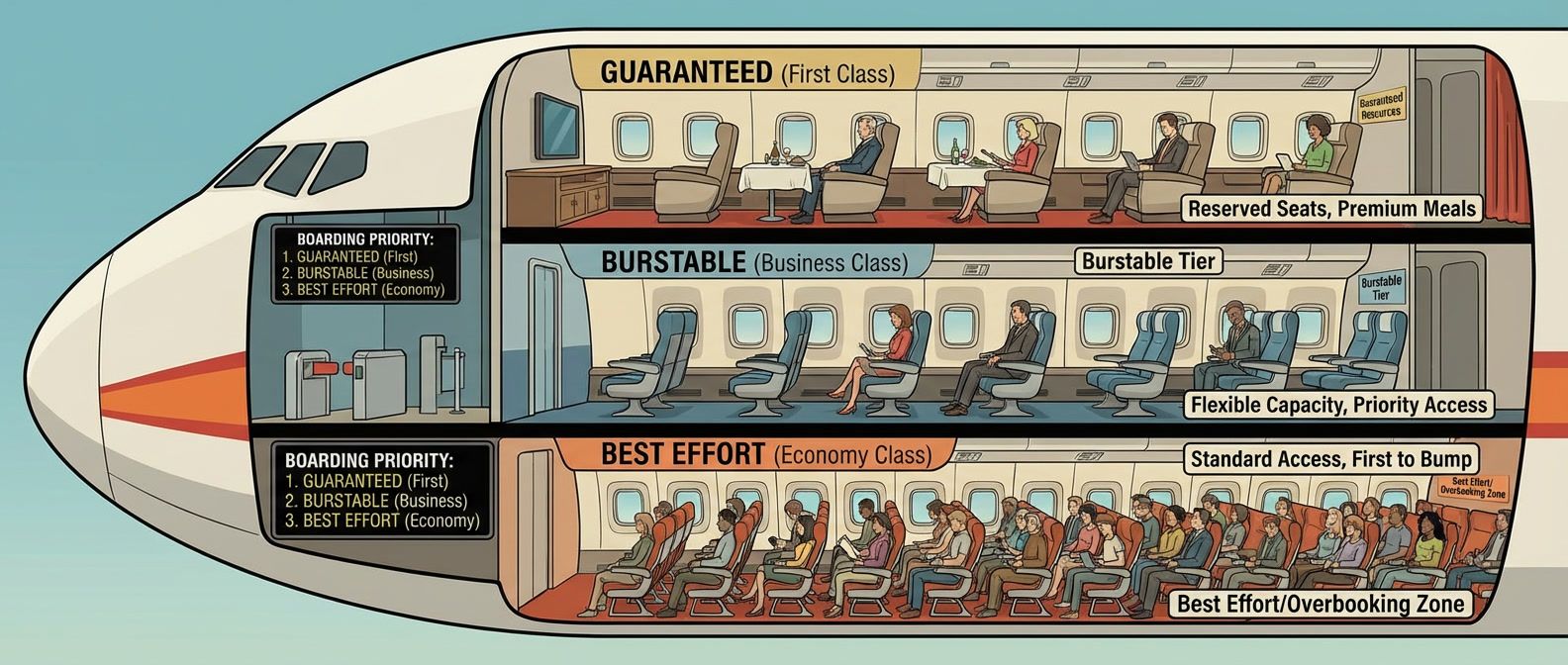
How Kubernetes scheduling and eviction actually work, and how to size pods to survive node pressure.