

Article
Rate Limiting Done Right: Protecting Users From Yourself
How to implement rate limits that prevent abuse without accidentally blocking legitimate traffic during spikes.
Learn more
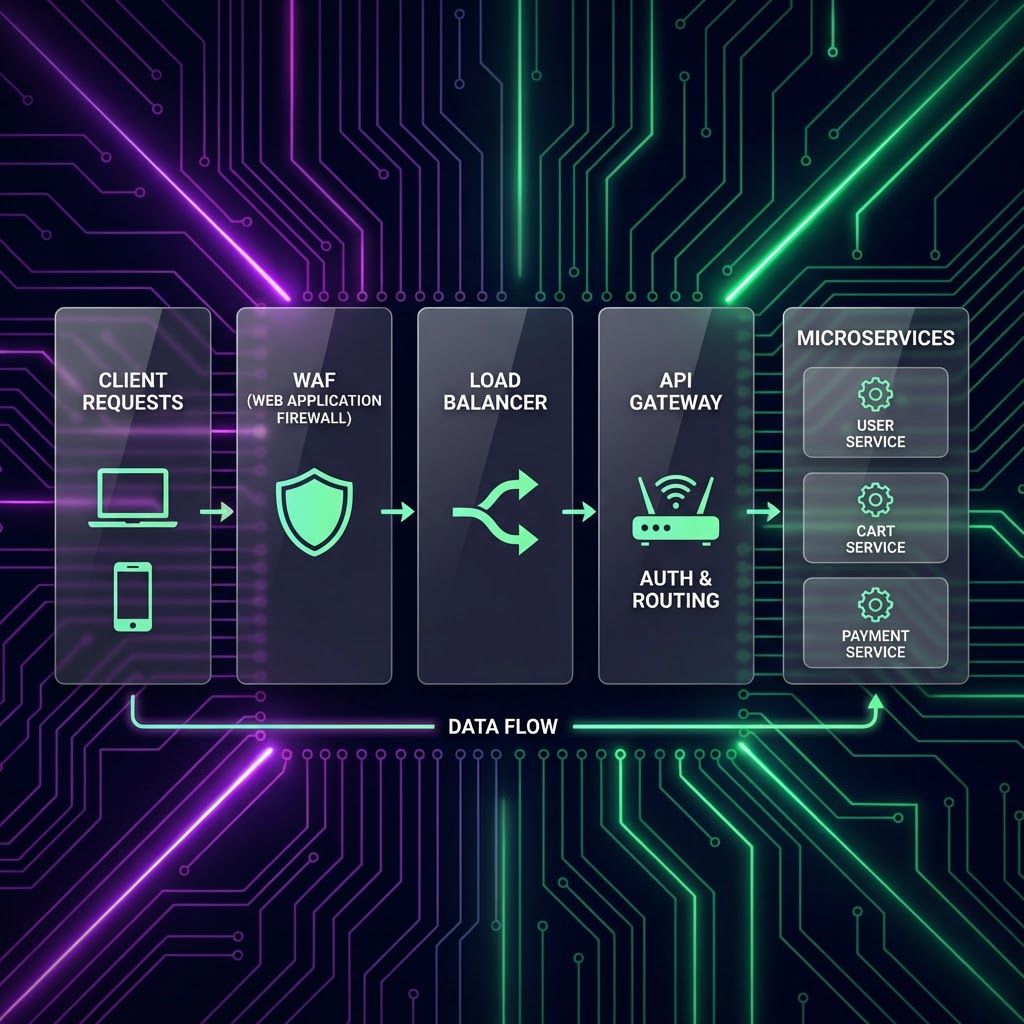
API gateways, rate limiting, versioning, and the infrastructure of service traffic
APIs are the connective tissue of distributed systems, and the infrastructure surrounding them determines whether those systems scale gracefully or collapse under load. This category covers the full spectrum of API platform engineering: from gateway configuration and rate limiting to versioning strategies that do not strand consumers, and from edge computing patterns to the reverse proxies and CDNs that sit between your services and the outside world.
The focus here is operational reality. Rate limiting sounds simple until you accidentally DoS your own users during a traffic spike. API versioning is straightforward until you need to deprecate an endpoint with 200 active consumers and no migration path. Edge caching improves latency until a misconfigured Vary header serves stale data to the wrong users. These articles dig into the tradeoffs, failure modes, and production lessons that documentation rarely covers.
Whether you are building an internal API platform for engineering teams, hardening a public API against abuse, or trying to understand why your reverse proxy keeps timing out under load, the content here reflects hands-on experience with the messy intersection of performance, correctness, and cost.
How to implement rate limits that prevent abuse without accidentally blocking legitimate traffic during spikes.

Certificate rotation, trust hierarchies, and the operational footguns that make mTLS harder than it looks.

Protecting downstream services from cascade failures without hiding real problems behind open circuits.

Metrics, traces, and logs from your gateway that help debug production issues instead of generating noise.

Why default nginx and HAProxy configurations fail under load and how to tune them for production.

Consumer-driven contracts that catch breaking changes without heavyweight tooling or coordination overhead.

Generating documentation, client SDKs, and request validation from OpenAPI specs without sprawling toolchains.

How to track API usage, enforce quotas, and implement charge-back models without a finance degree.

Sunset headers, usage tracking, and migration incentives that actually get consumers off deprecated endpoints.

How to cache aggressively at the edge without serving stale or incorrect content to users.