
Article
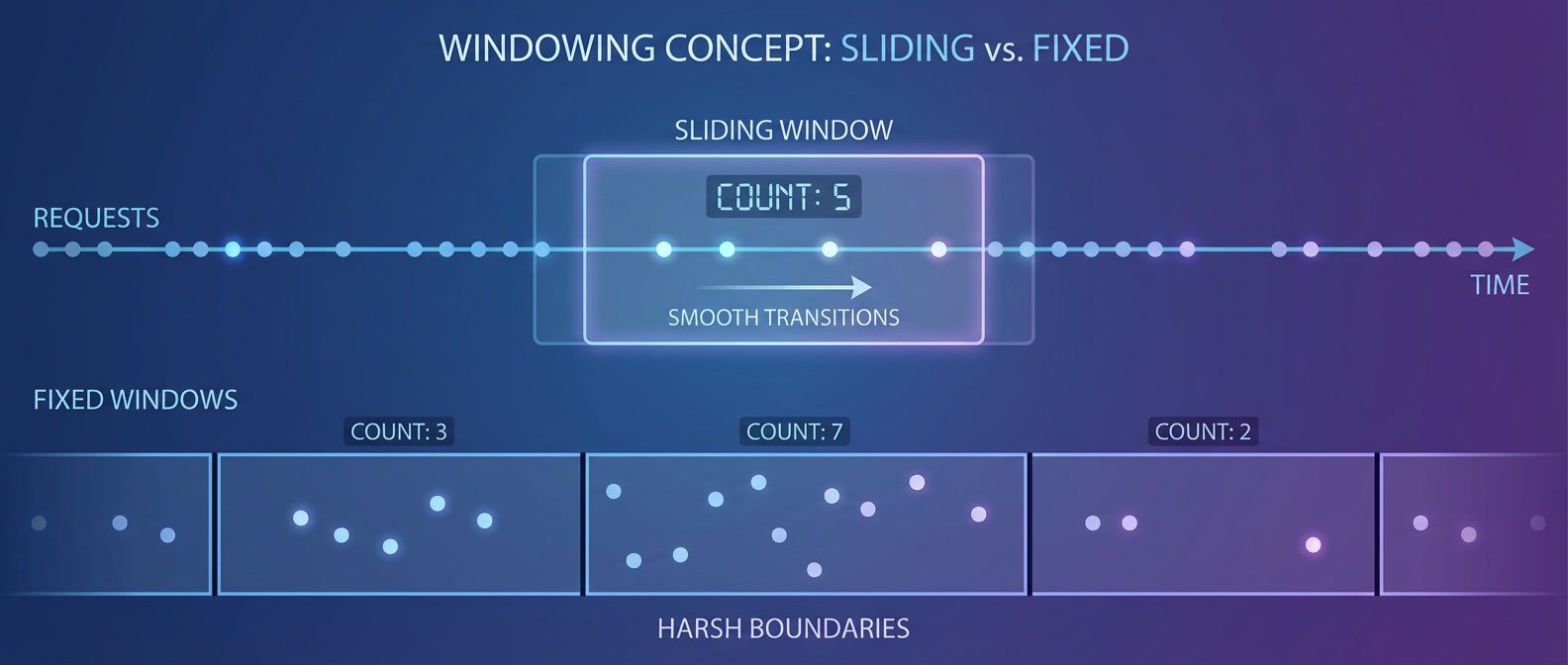
Rate Limiting Done Right: Protecting Users From Yourself
How to implement rate limits that prevent abuse without accidentally blocking legitimate traffic during spikes.
Learn more

Multi-cloud infrastructure-as-code with HCL, state management, and module reuse
Terraform is the most widely adopted infrastructure-as-code tool in platform engineering. Its declarative HCL syntax, plan-and-apply workflow, and provider ecosystem covering every major cloud and SaaS platform give teams a consistent way to define, version, and provision infrastructure regardless of where it runs. The state file acts as a source of truth that tracks what exists, what changed, and what needs to be created or destroyed on the next apply.
Platform teams build on Terraform by composing reusable modules that encode organizational standards. A VPC module enforces network segmentation policies, a Kubernetes cluster module wires up node pools with the right instance types and autoscaling rules, and a database module handles encryption, backup schedules, and parameter groups. Published to private registries and consumed through version-pinned module calls, these become the building blocks of self-service infrastructure that application teams request without writing HCL themselves.
The operational challenges are state management and drift. Remote state backends, state locking, and workspace isolation prevent concurrent modifications from corrupting infrastructure, but they add coordination overhead. Large monolithic state files slow plan times and increase blast radius. Teams that invest in state decomposition, automated drift detection, and policy-as-code with Sentinel or OPA build Terraform workflows that scale across hundreds of engineers and thousands of resources.
How to implement rate limits that prevent abuse without accidentally blocking legitimate traffic during spikes.

Designing module interfaces that are easy to use, hard to misuse, and can evolve without breaking consumers.

Auditing dashboards to delete what nobody looks at and keep what remains useful.

Lead time, onboarding time, and ticket deflection metrics that show whether your platform reduces friction.

Metrics, traces, and logs from your gateway that help debug production issues instead of generating noise.
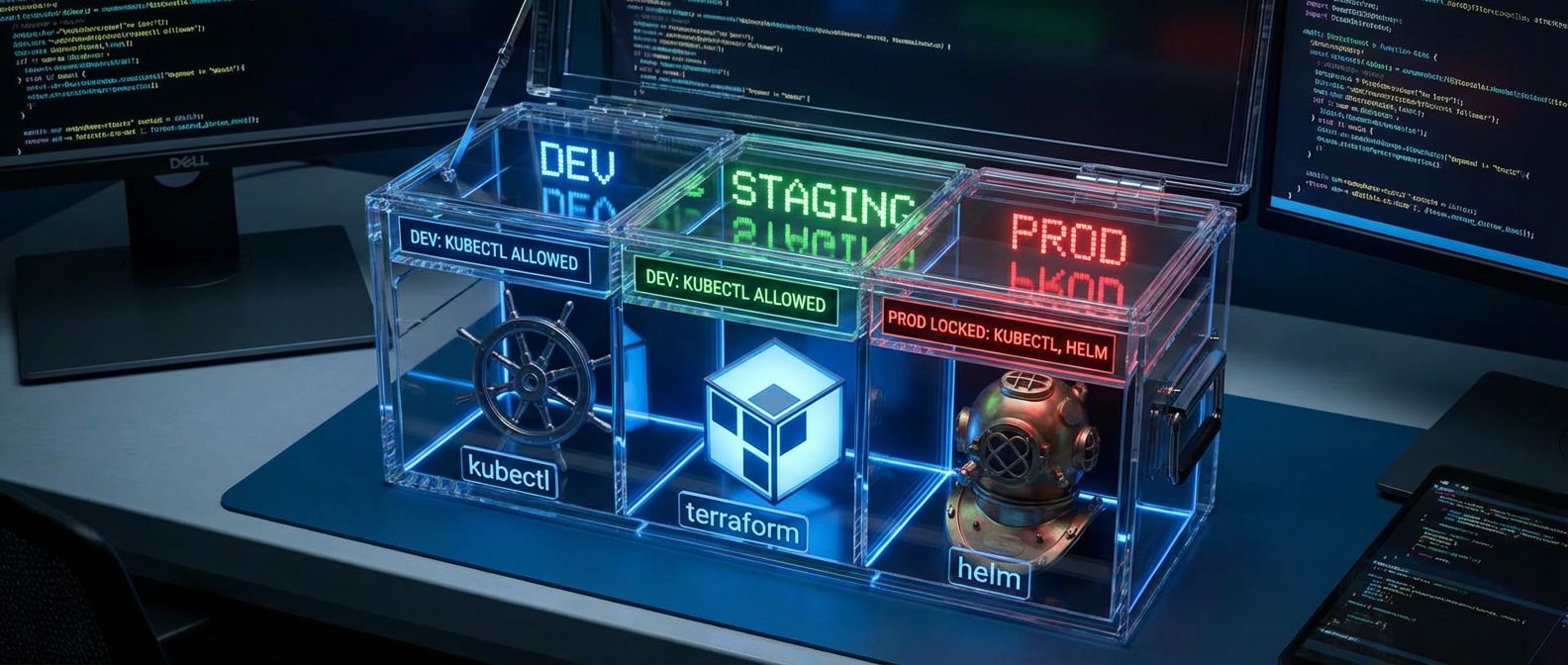
When to build abstractions over kubectl or terraform and when the wrapper creates more problems than it solves.

Replacing service account keys with workload identity federation for secure, keyless cloud access.

Implementing infrastructure policies with OPA and Conftest that catch violations before they reach production.

State locking, backend configuration, and recovery strategies for when state corruption happens.

Separating platform control surfaces from runtime infrastructure for multi-team boundaries and scaling.

The difference between a portal that indexes things and a platform that does things for developers.