

Article
CI Pipeline Caching: Strategies That Actually Work
Docker layer caching, dependency caching, and cache invalidation patterns that speed up builds without breaking them.
Learn more
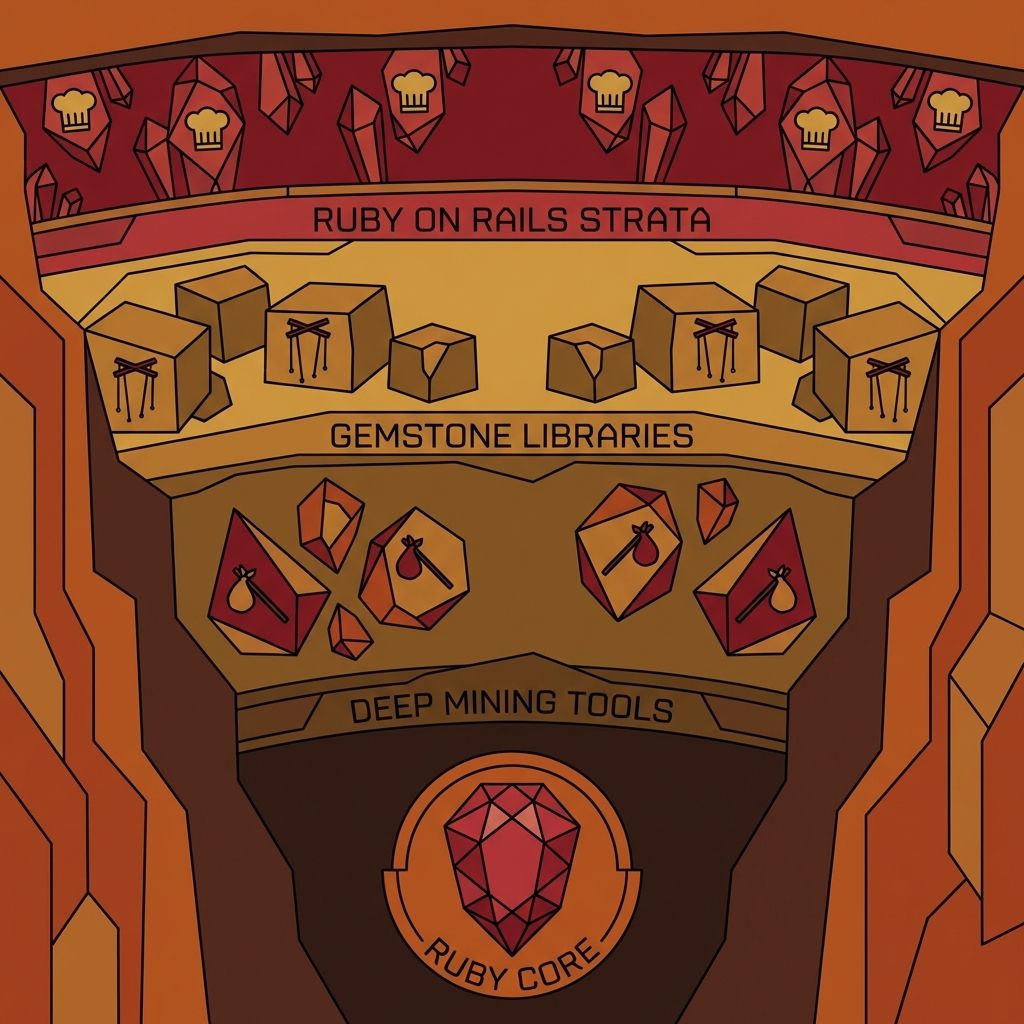
Expressive language powering Chef, Vagrant, and infrastructure automation tooling
Ruby’s role in platform engineering is rooted in the configuration management era. Chef and Puppet—two of the most widely deployed infrastructure automation frameworks—are written in Ruby and use Ruby-based DSLs for defining system state. Vagrant, the tool that standardized reproducible development environments before containers took over, is also Ruby. Organizations with years of investment in these tools still depend on Ruby expertise to maintain and evolve their automation codebases.
Beyond legacy tooling, Ruby remains practical for internal platform tools. Its expressive syntax and metaprogramming capabilities make it well-suited for building domain-specific languages, CLI utilities, and API wrapper libraries where developer ergonomics matter more than raw throughput. Rails applications still power internal dashboards, deployment portals, and workflow engines at companies that adopted the framework early and built institutional knowledge around it.
The platform engineering reality is that Ruby occupies a maintenance and migration position in most infrastructure stacks. Teams are gradually moving Chef cookbooks to Ansible or Terraform, and new CLI tools tend to ship in Go or Python. But understanding Ruby remains valuable for platform engineers who inherit Chef-managed infrastructure, contribute to Homebrew formulas, or work in organizations where Ruby services are part of the production footprint being containerized and moved to Kubernetes.
Docker layer caching, dependency caching, and cache invalidation patterns that speed up builds without breaking them.

Sampling strategies that give you tracing value without the cost and noise of tracing every request.

Consumer-driven contracts that catch breaking changes without heavyweight tooling or coordination overhead.
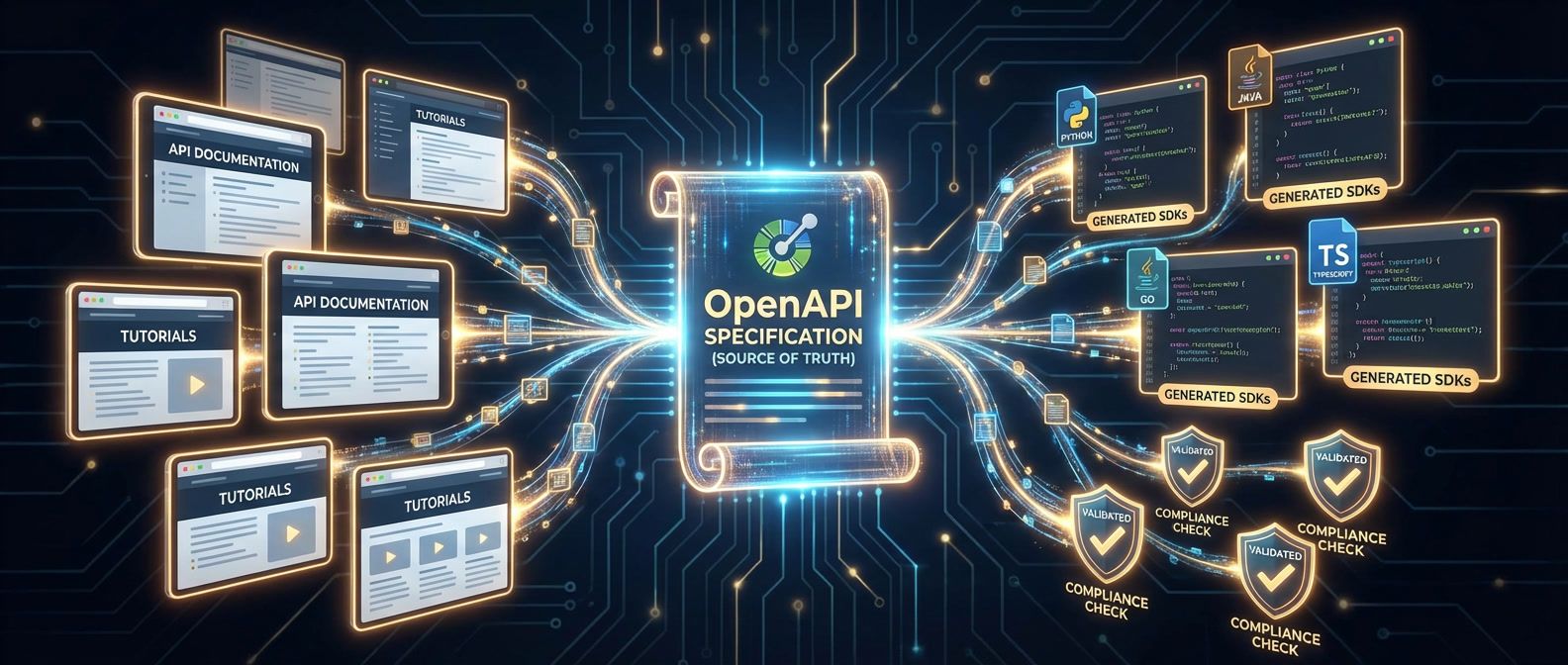
Generating documentation, client SDKs, and request validation from OpenAPI specs without sprawling toolchains.

Techniques for getting a test harness around code that was never designed for testability.