
Article
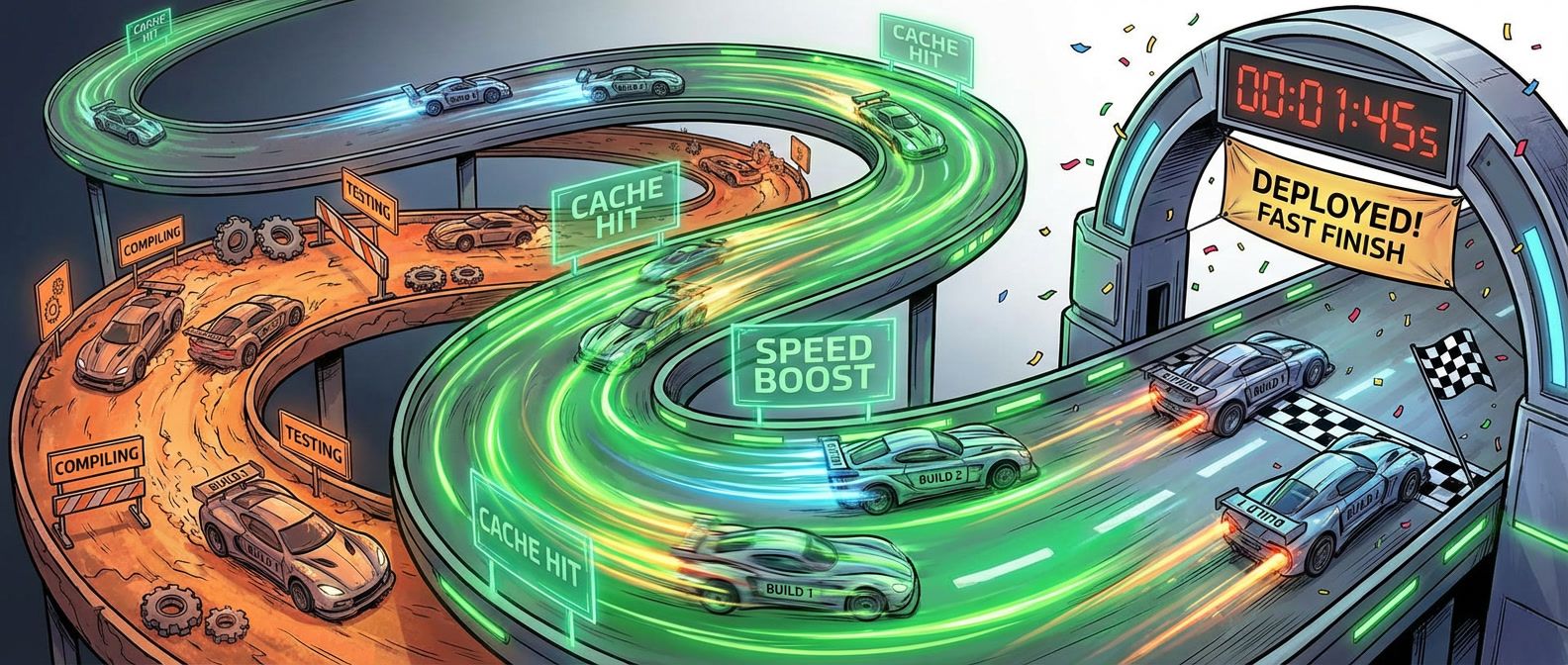
CI Pipeline Caching: Strategies That Actually Work
Docker layer caching, dependency caching, and cache invalidation patterns that speed up builds without breaking them.
Learn more
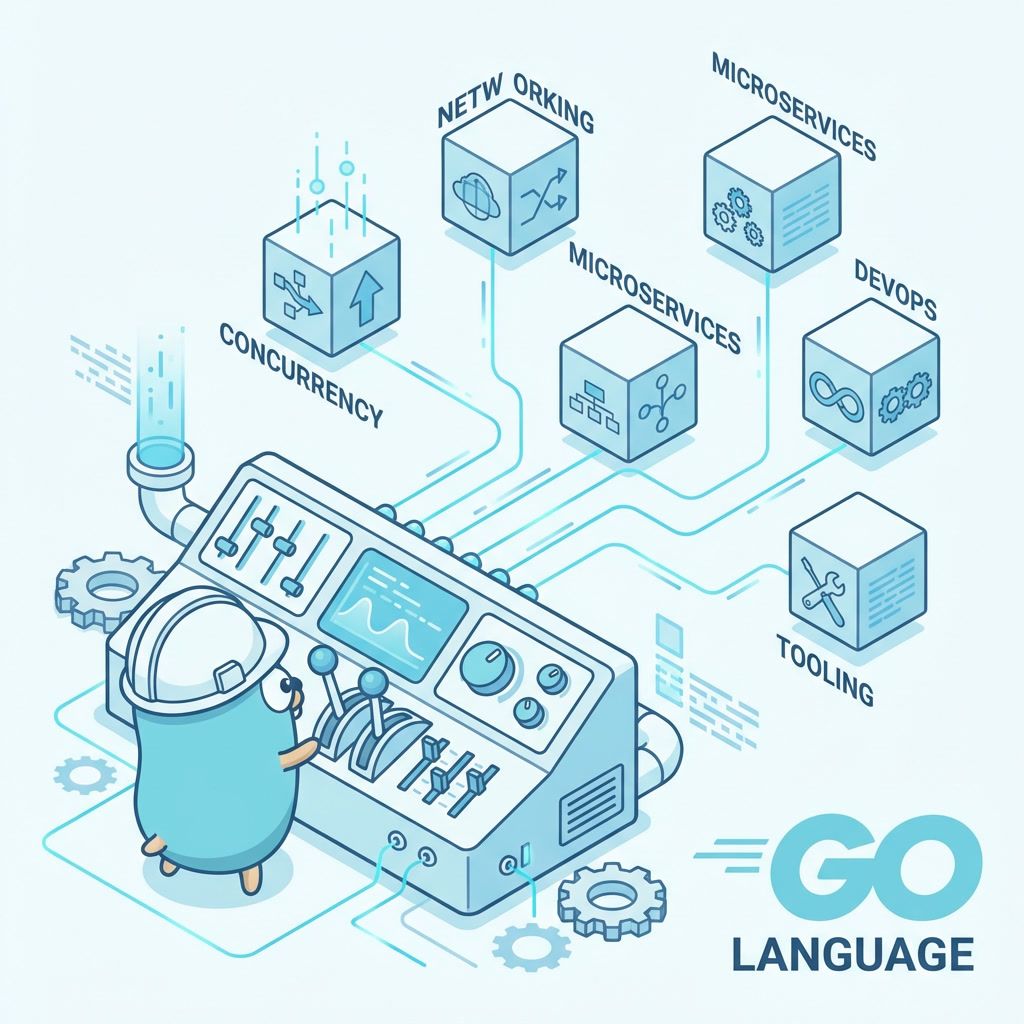
Cloud-native language behind Kubernetes, Terraform, and infrastructure CLI tools
Go is the lingua franca of cloud-native infrastructure. Kubernetes, Docker, Terraform, Prometheus, and Argo CD are all written in it, which means platform engineers who read and write Go can extend, debug, and contribute to the tools they depend on daily. When a Kubernetes controller misbehaves or a Terraform provider has a gap, the ability to trace through Go source code turns a black box into a solvable problem.
The language’s practical strengths align with platform engineering work. Static binaries with zero runtime dependencies simplify distribution—a CLI tool or operator ships as a single file that runs anywhere. Goroutines and channels handle the concurrent I/O that infrastructure tools demand, and the standard library covers HTTP servers, JSON handling, and cryptography without pulling in external dependencies. Fast compilation means tight feedback loops even in large codebases.
Go’s opinionated design—explicit error handling, no generics until recently, a deliberately small feature set—keeps codebases readable across teams. For platform teams maintaining controllers, admission webhooks, and internal CLIs that outlive any single engineer, that readability is a feature worth the verbosity trade-off. The ecosystem’s convention over configuration ethos matches the reliability-first mindset that SRE and platform engineering demand.
Docker layer caching, dependency caching, and cache invalidation patterns that speed up builds without breaking them.

Sampling strategies that give you tracing value without the cost and noise of tracing every request.
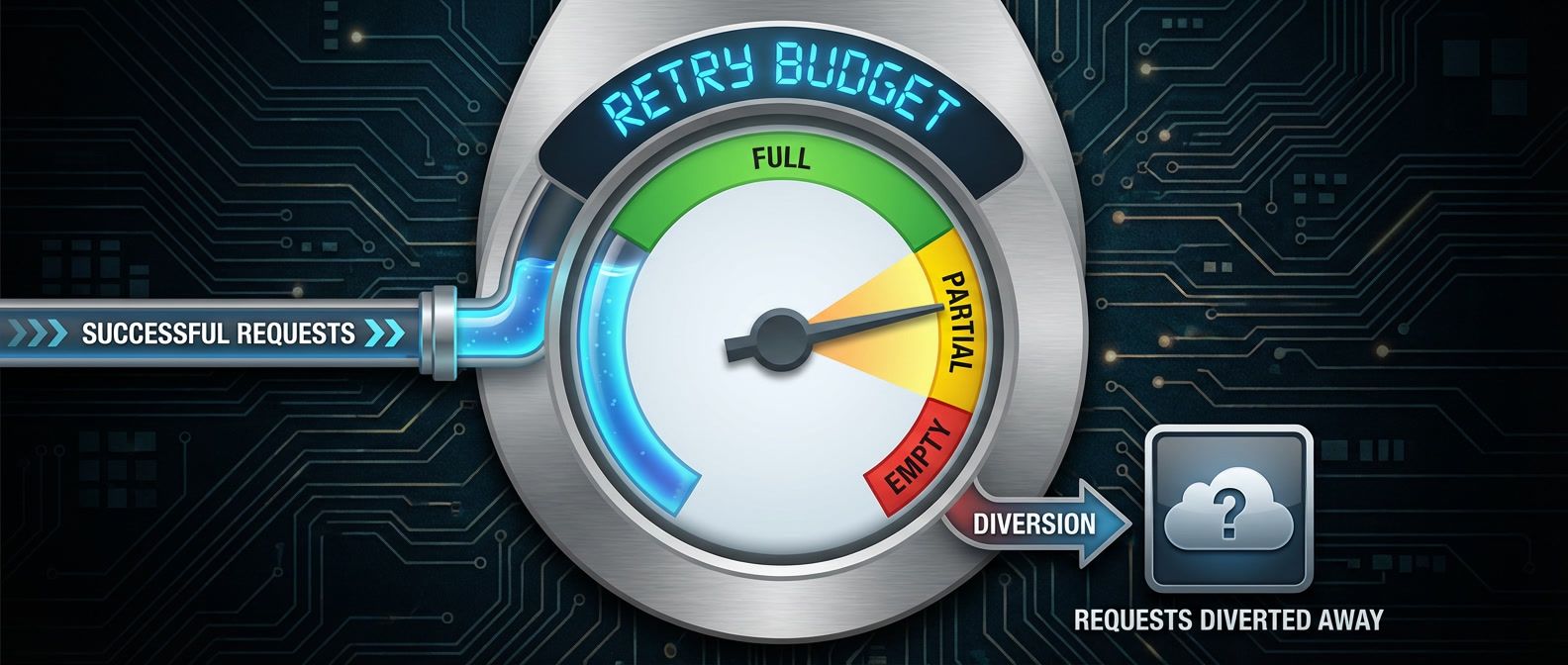
Protecting downstream services from cascade failures without hiding real problems behind open circuits.

Balancing standardization with team autonomy so the right thing is easy but not the only option.

Consumer-driven contracts that catch breaking changes without heavyweight tooling or coordination overhead.
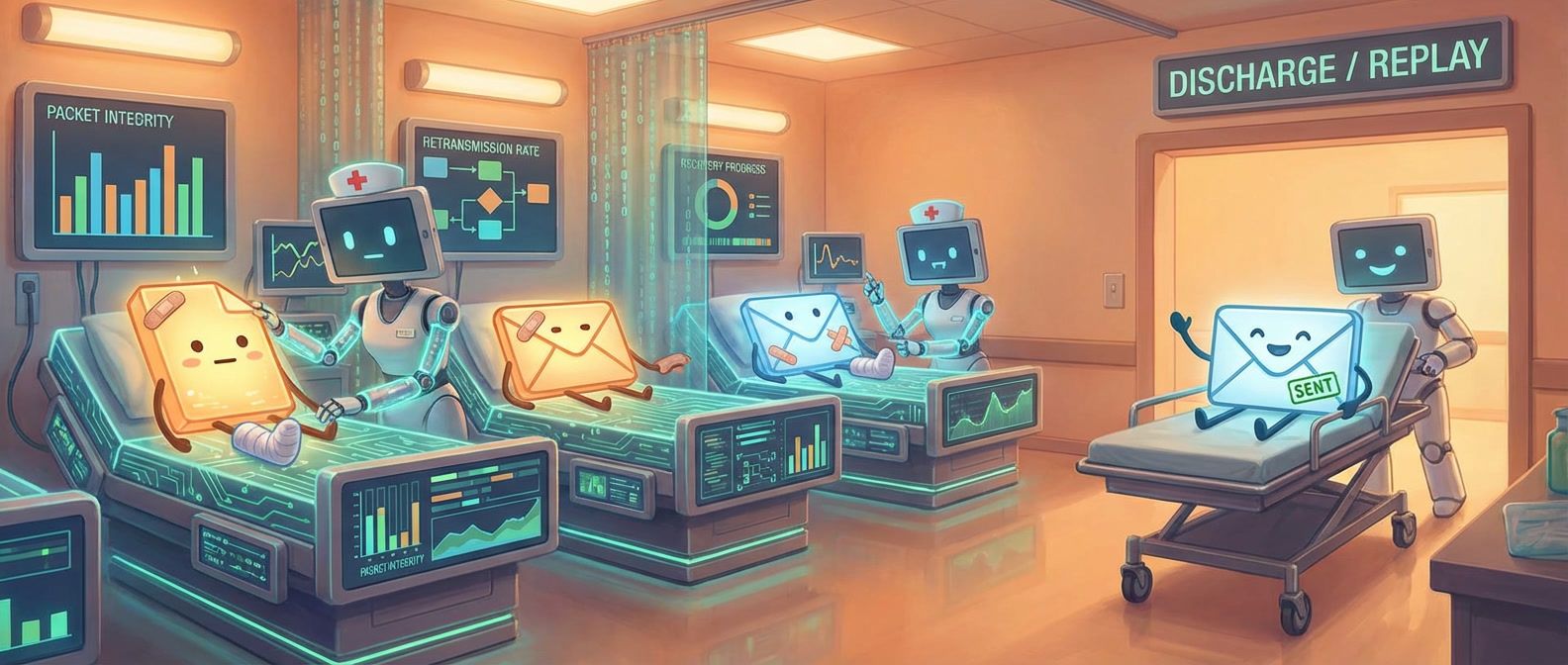
DLQ design that makes failed messages debuggable and reprocessable instead of a graveyard.
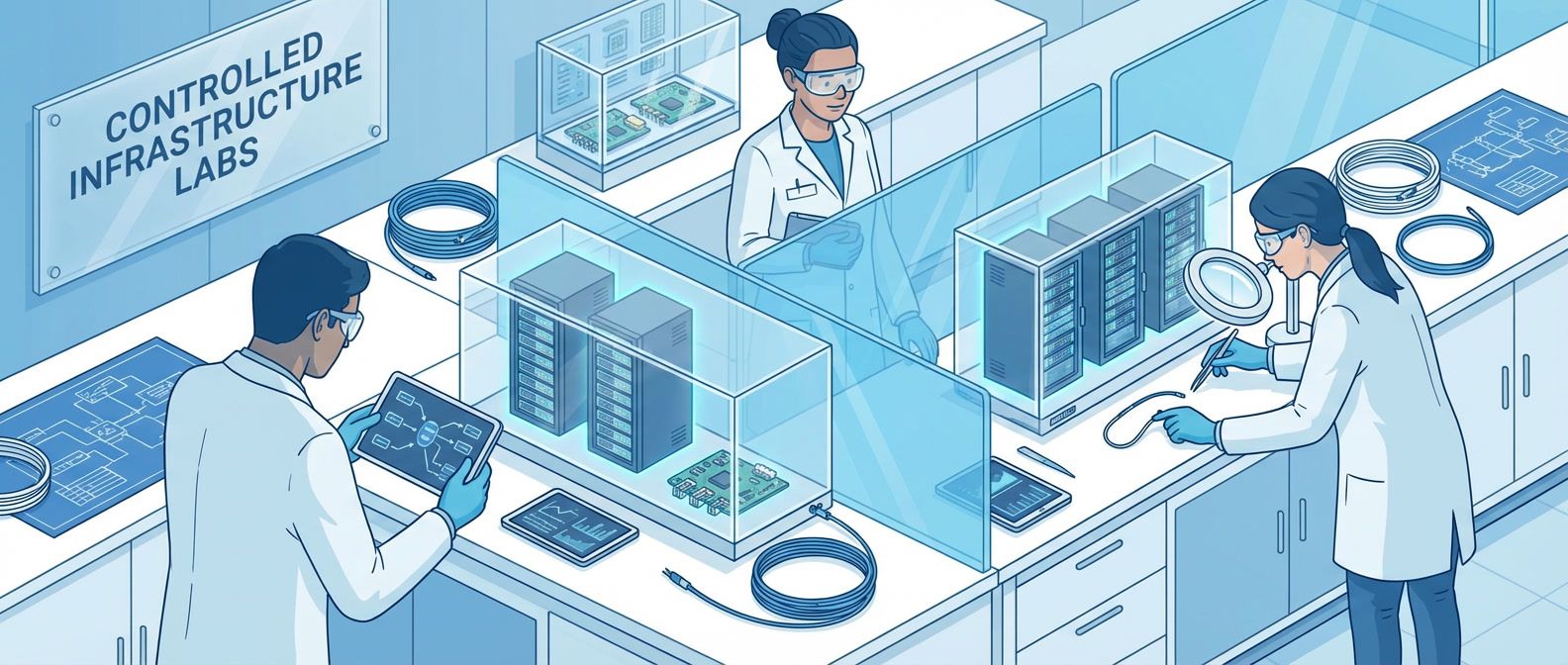
Pod killing and latency injection experiments without expensive platforms or dedicated chaos teams.
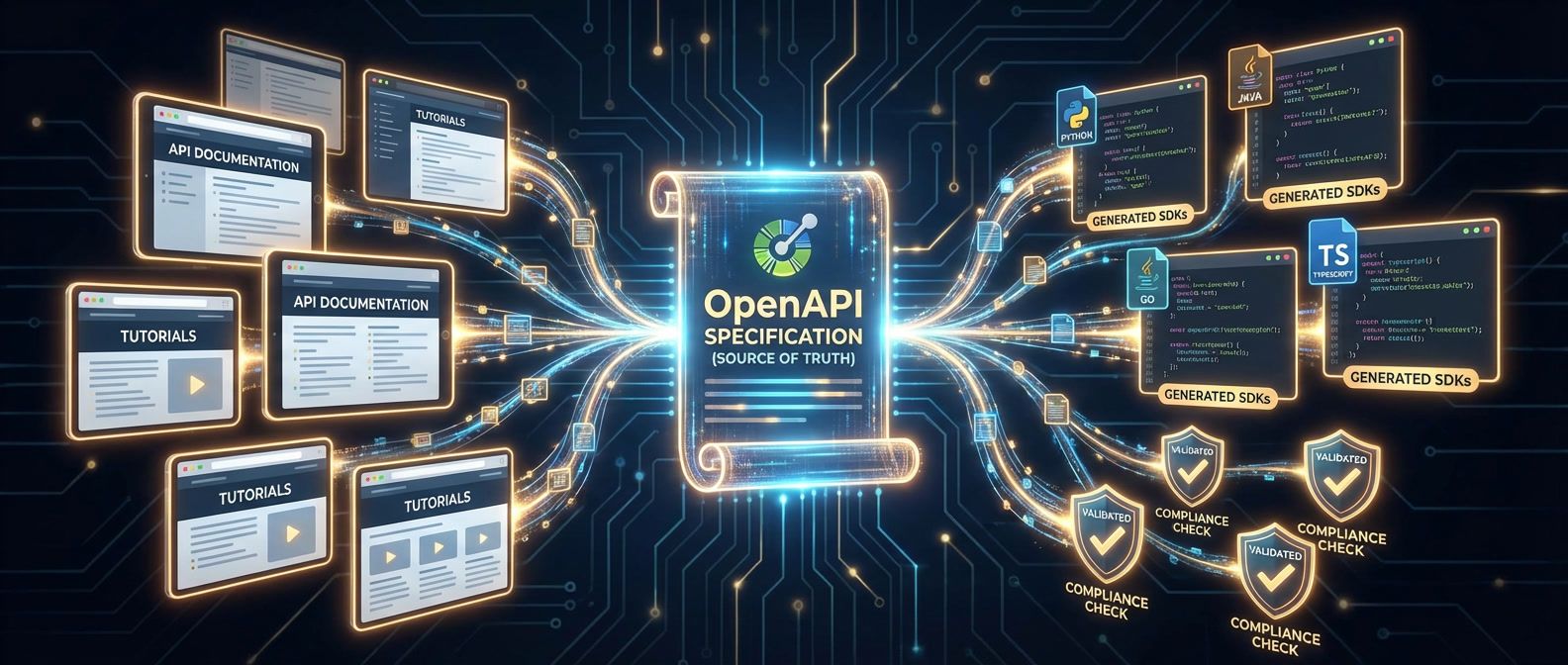
Generating documentation, client SDKs, and request validation from OpenAPI specs without sprawling toolchains.
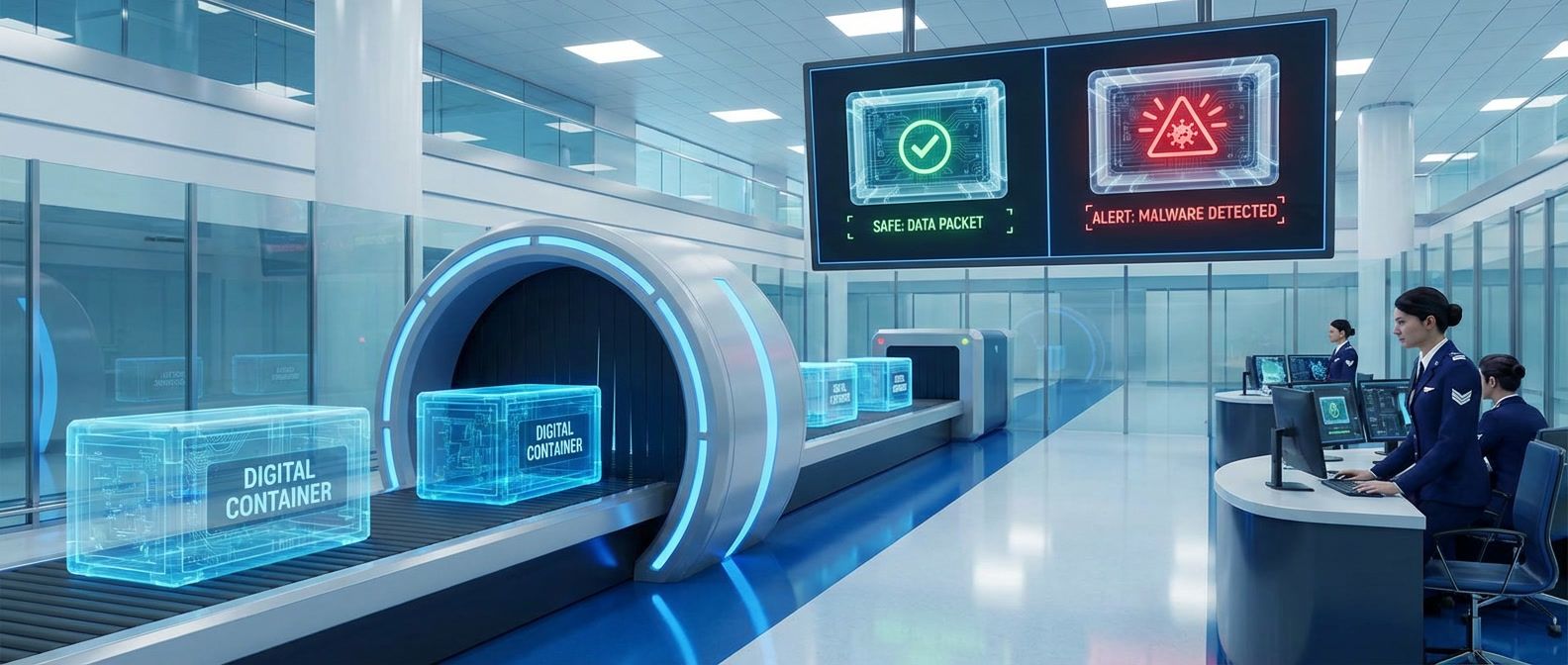
Integrating vulnerability scanners without blocking every build on false positives or unfixable CVEs.

Load shedding, queue depth limits, and admission control that keep systems responsive when overloaded.