

Article
CI Pipeline Caching: Strategies That Actually Work
Docker layer caching, dependency caching, and cache invalidation patterns that speed up builds without breaking them.
Learn more

CI/CD pipelines, deployment strategies, artifact management, and GitOps patterns
Release engineering is the discipline of making deployments predictable. A well-designed pipeline catches failures early, deploys safely, and rolls back quickly when something goes wrong. But pipelines are deceptively complex: caching strategies break in subtle ways, deployment strategies interact poorly with database state, and GitOps promises declarative simplicity while hiding debugging nightmares.
This category covers the practical side of CI/CD and release engineering. Build systems need caching to be fast, but cache invalidation is notoriously hard to get right. Blue/green deployments sound straightforward until you have stateful workloads. Canary releases provide safety but require observability infrastructure to detect problems. Rollback semantics fail in practice when schema migrations cannot be reversed. These articles dig into the tradeoffs and failure modes that make release engineering harder than it looks.
Whether you are optimizing a slow CI pipeline, choosing between deployment strategies for a stateful application, implementing release health gates that do not block everything, or trying to debug why ArgoCD sync keeps failing, the content here reflects hands-on experience with the unglamorous work of shipping software reliably.
Docker layer caching, dependency caching, and cache invalidation patterns that speed up builds without breaking them.

Automated quality gates that catch real failures without becoming a bottleneck or a source of false positives.

Building only what changed with affected-based builds and remote caching that actually speeds up CI.

Supply chain security basics that you can implement without a dedicated security team or expensive tooling.
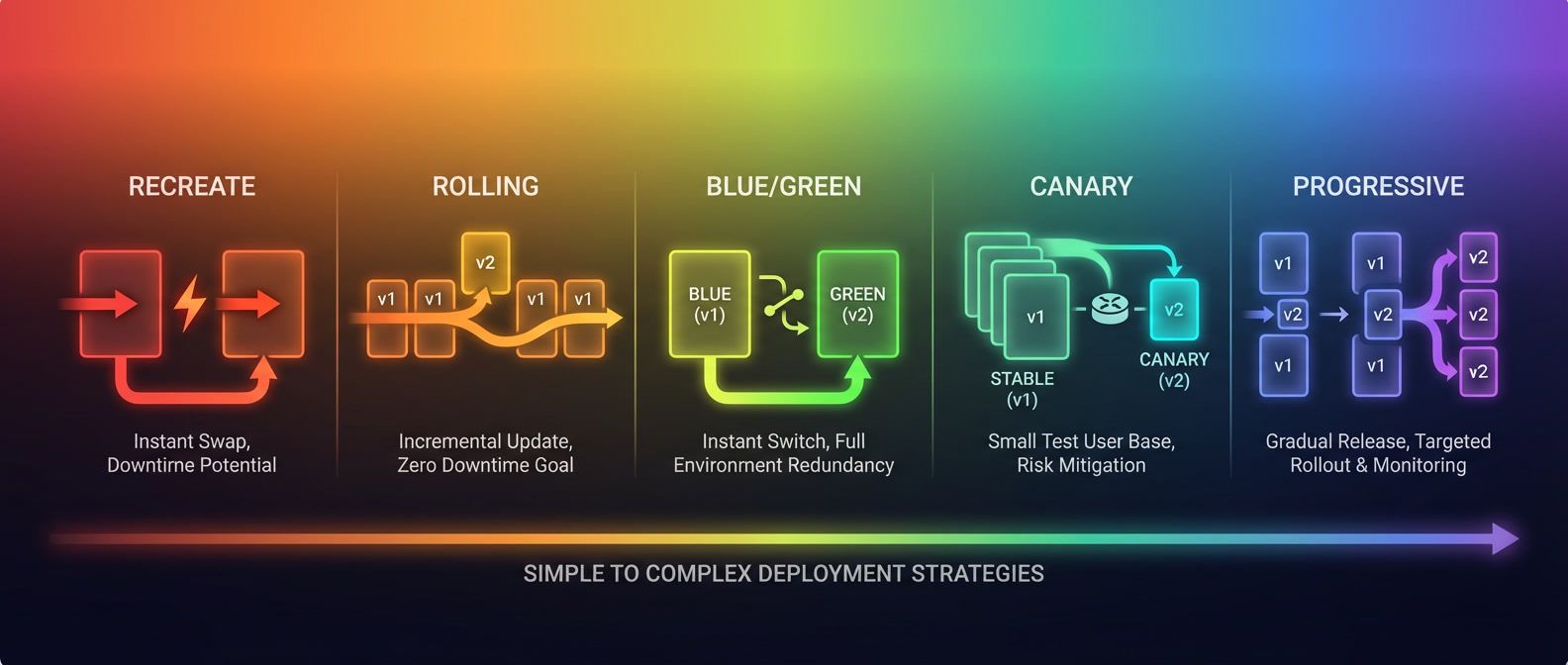
Tradeoffs between deployment strategies for stateless and stateful workloads, with and without service mesh.

Automating schema changes without downtime by separating migrations from application deployments.
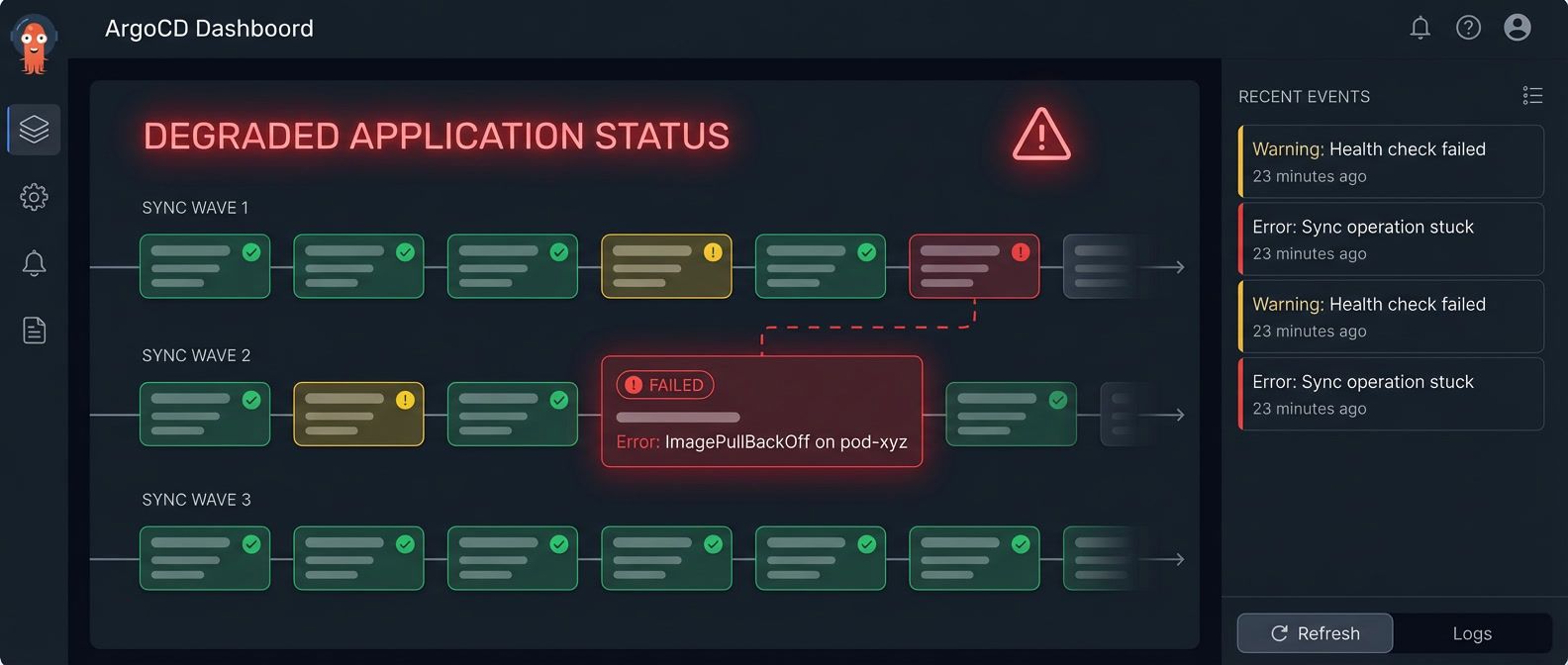
Troubleshooting sync waves, hooks, and deadlocks when declarative does not mean debuggable.