

Article
Measuring Platform Success: Metrics That Matter
Lead time, onboarding time, and ticket deflection metrics that show whether your platform reduces friction.
Learn more
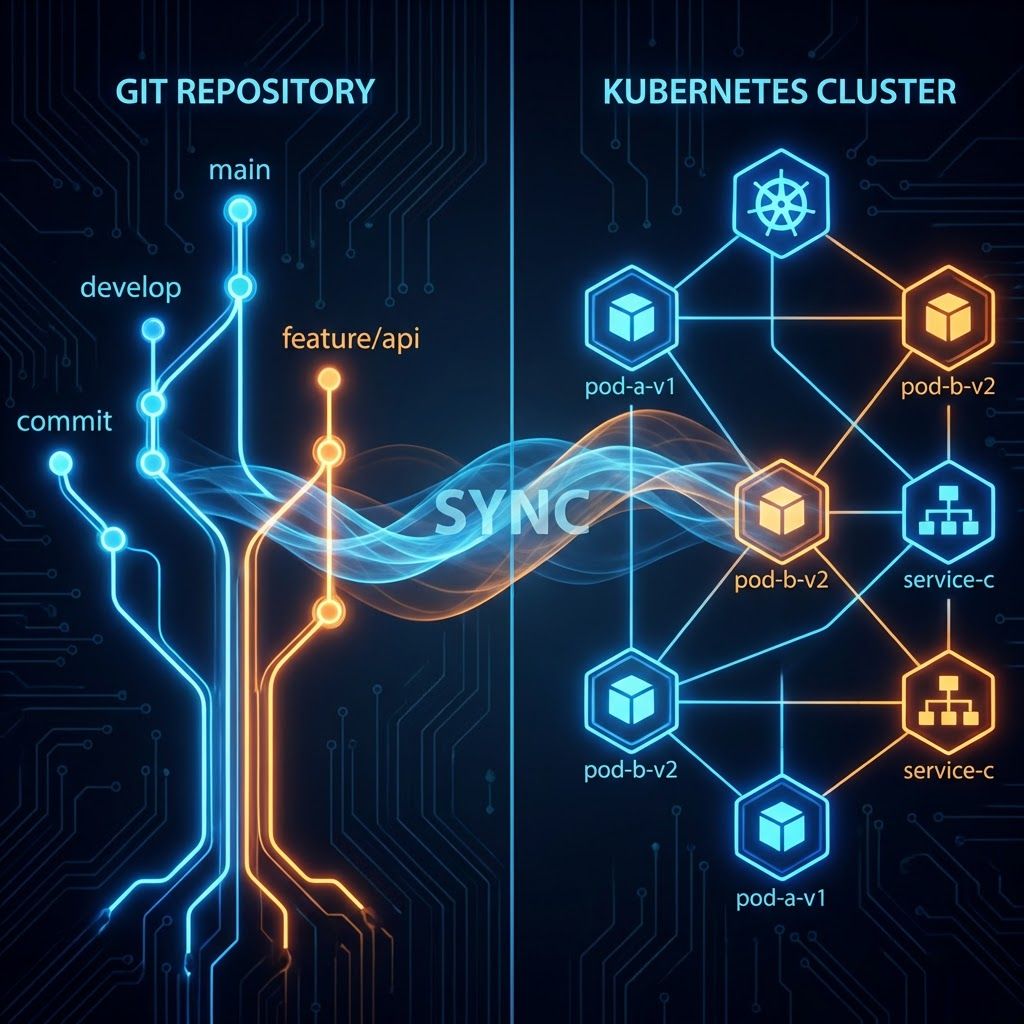
GitOps-based continuous delivery for declarative Kubernetes deployments
Argo CD is a declarative, GitOps-based continuous delivery tool built specifically for Kubernetes. It treats Git repositories as the single source of truth for application definitions and cluster state, continuously reconciling what is declared in version control with what is actually running. When drift occurs, Argo CD detects it and can automatically or manually sync the cluster back to the desired state.
In platform engineering workflows, Argo CD serves as the deployment backbone. It replaces imperative CI/CD push models with a pull-based approach where the cluster watches for changes rather than receiving commands. This pattern simplifies multi-cluster deployments, enables progressive rollouts through sync waves and hooks, and provides a clear audit trail of every change applied to a cluster. ApplicationSets allow platform teams to template deployments across hundreds of environments from a single definition.
The operational reality of Argo CD involves managing sync failures, understanding resource ordering, handling secrets that cannot live in Git, and debugging the gap between what a manifest declares and what a cluster actually does. These articles cover practical Argo CD usage from the perspective of teams running it in production.
Lead time, onboarding time, and ticket deflection metrics that show whether your platform reduces friction.

Managing configuration across dev, staging, and production clusters without drift or duplication.
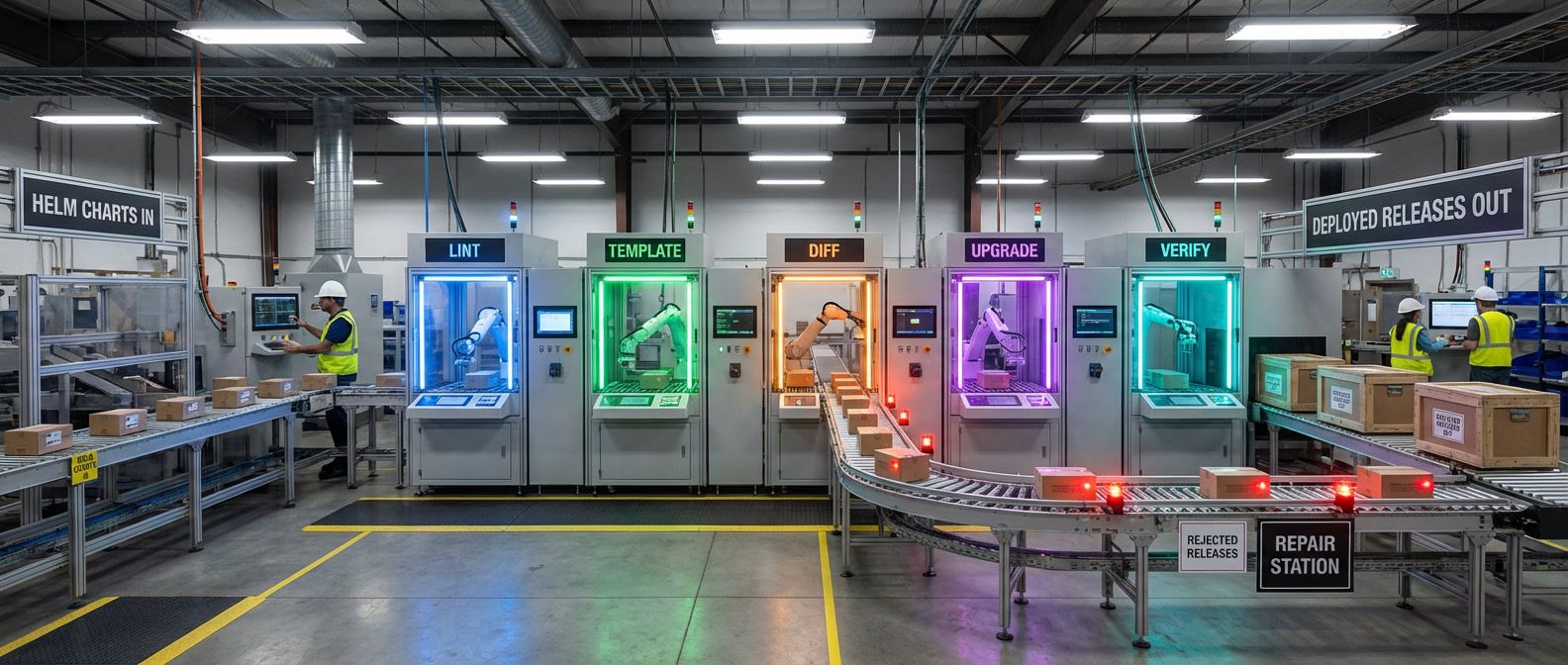
Managing Helm across dozens of services without losing track of what is actually deployed.

Separating platform control surfaces from runtime infrastructure for multi-team boundaries and scaling.
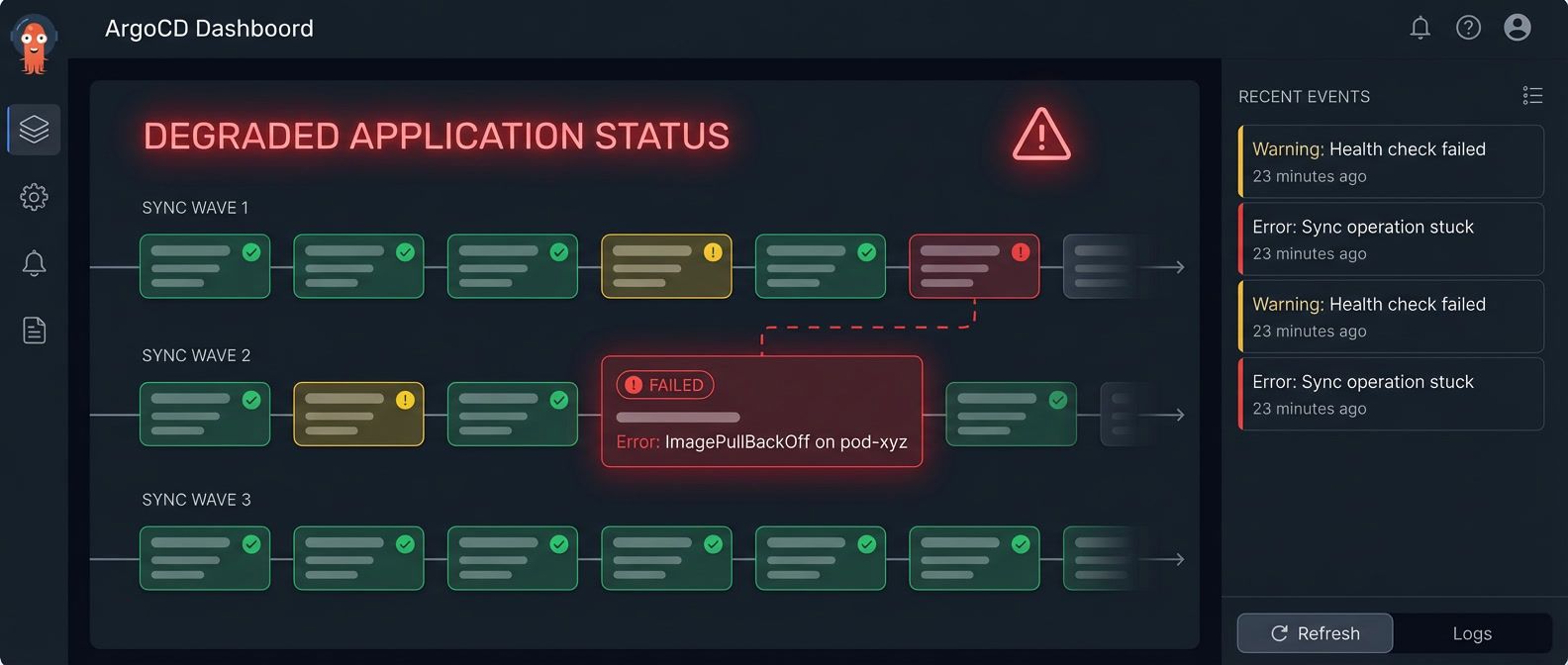
Troubleshooting sync waves, hooks, and deadlocks when declarative does not mean debuggable.