

Article
Measuring Platform Success: Metrics That Matter
Lead time, onboarding time, and ticket deflection metrics that show whether your platform reduces friction.
Learn more
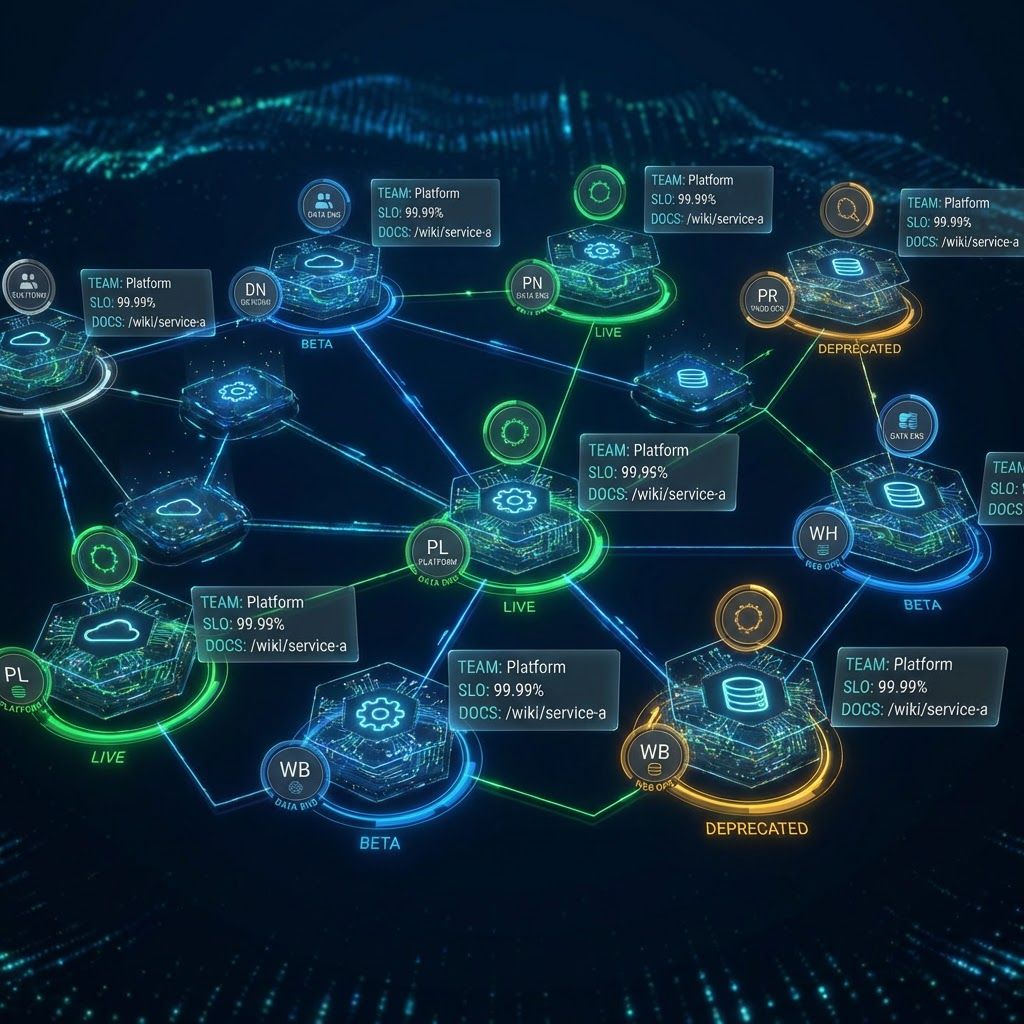
Internal platforms, self-service infrastructure, and treating platform as a product
Platform engineering applies product thinking to infrastructure. Instead of treating internal tools as an afterthought, platform teams build self-service capabilities that reduce friction for the engineers who depend on them. The goal is not just automation, but developer experience: making the right thing easy, providing sensible defaults, and getting out of the way so product teams can ship.
This category covers the practical side of building internal platforms. A service catalog is only valuable if the metadata stays accurate and teams actually use it. Golden paths work when they are the path of least resistance, not mandates that create workarounds. Internal developer portals fail when they are link farms instead of self-service action hubs. Measuring platform success requires metrics that reflect actual developer friction, not vanity dashboards. These articles dig into the tradeoffs between standardization and autonomy, and the operational reality of treating internal developers as customers.
Whether you are designing a service catalog schema, building an internal CLI that wraps kubectl, figuring out how to deprecate internal tooling without breaking consumers, or trying to measure whether your platform is actually reducing toil, the content here reflects hands-on experience with the product management side of infrastructure.
Lead time, onboarding time, and ticket deflection metrics that show whether your platform reduces friction.
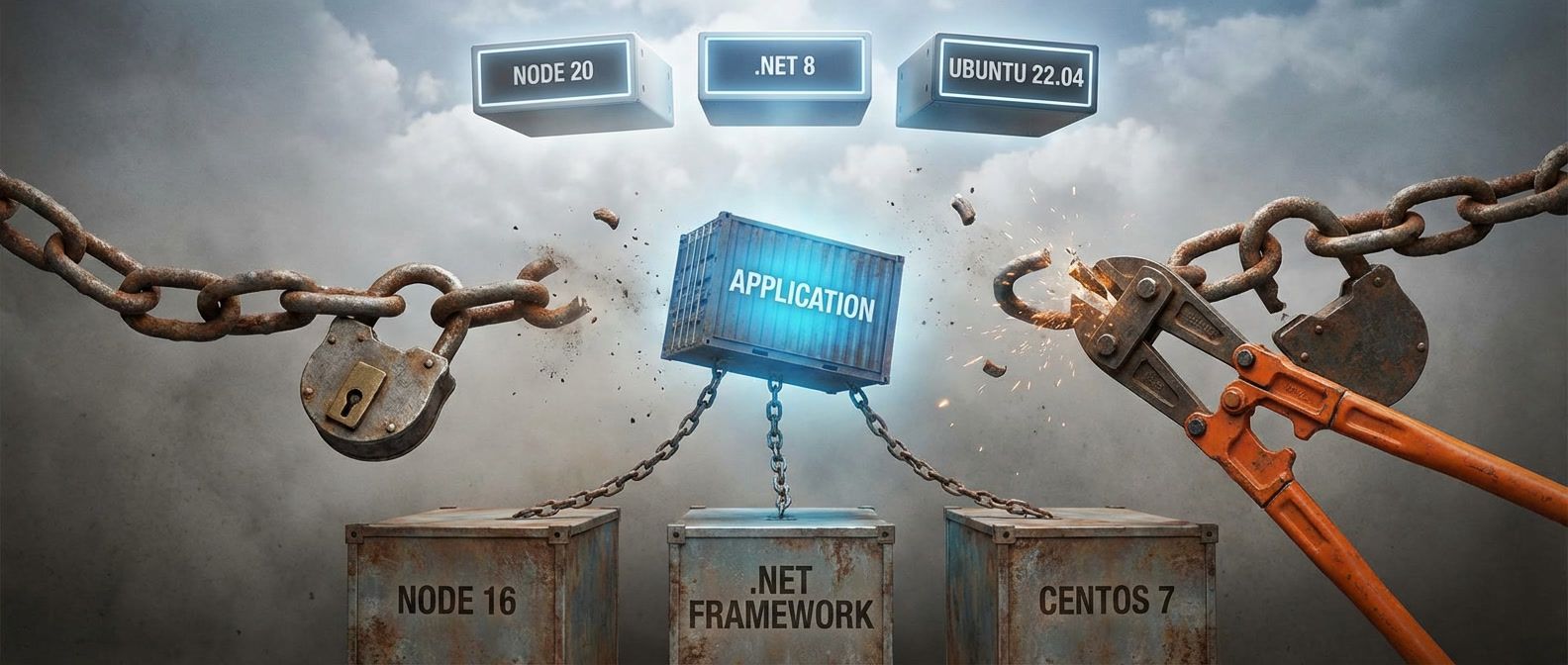
Strategies for escaping end-of-life .NET Framework, old Node, and legacy Linux distributions.

Balancing standardization with team autonomy so the right thing is easy but not the only option.
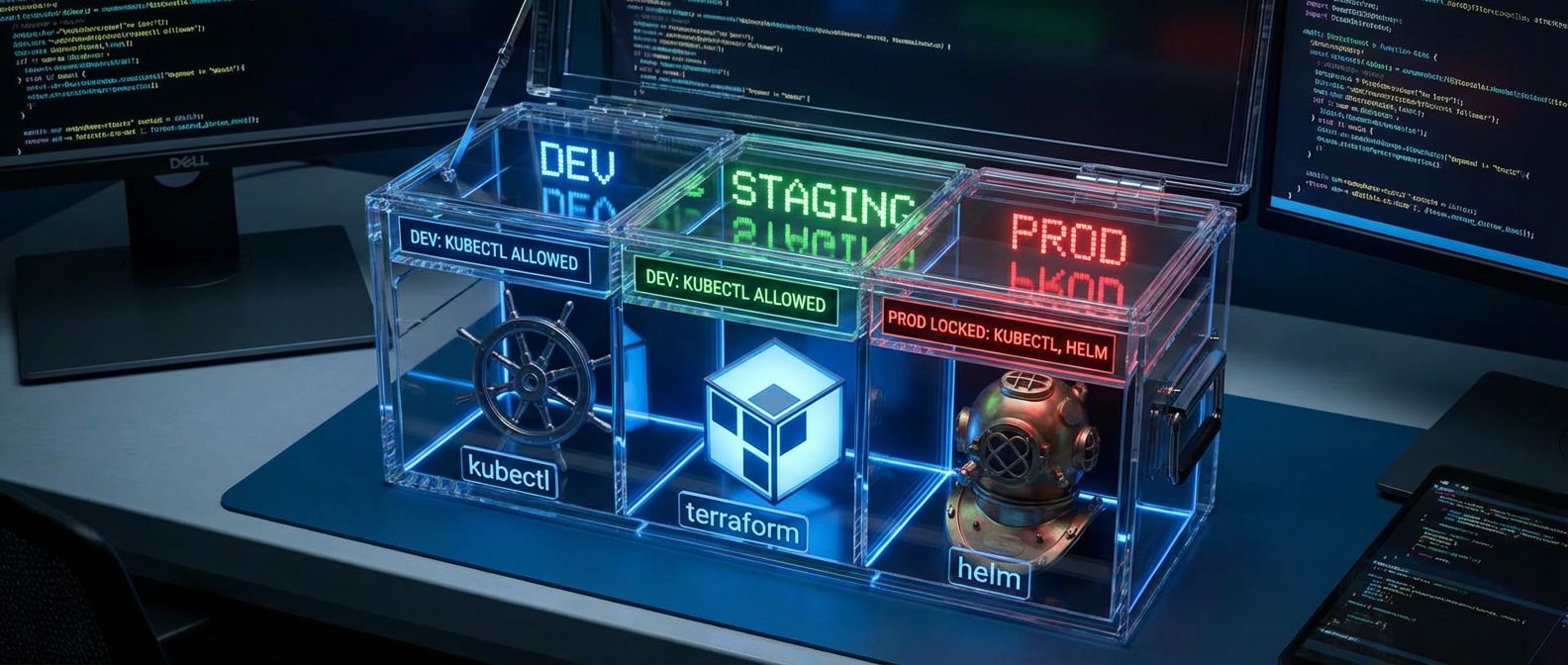
When to build abstractions over kubectl or terraform and when the wrapper creates more problems than it solves.

Deprecation policies and breaking change management for internal tools that have internal customers.

Separating platform control surfaces from runtime infrastructure for multi-team boundaries and scaling.
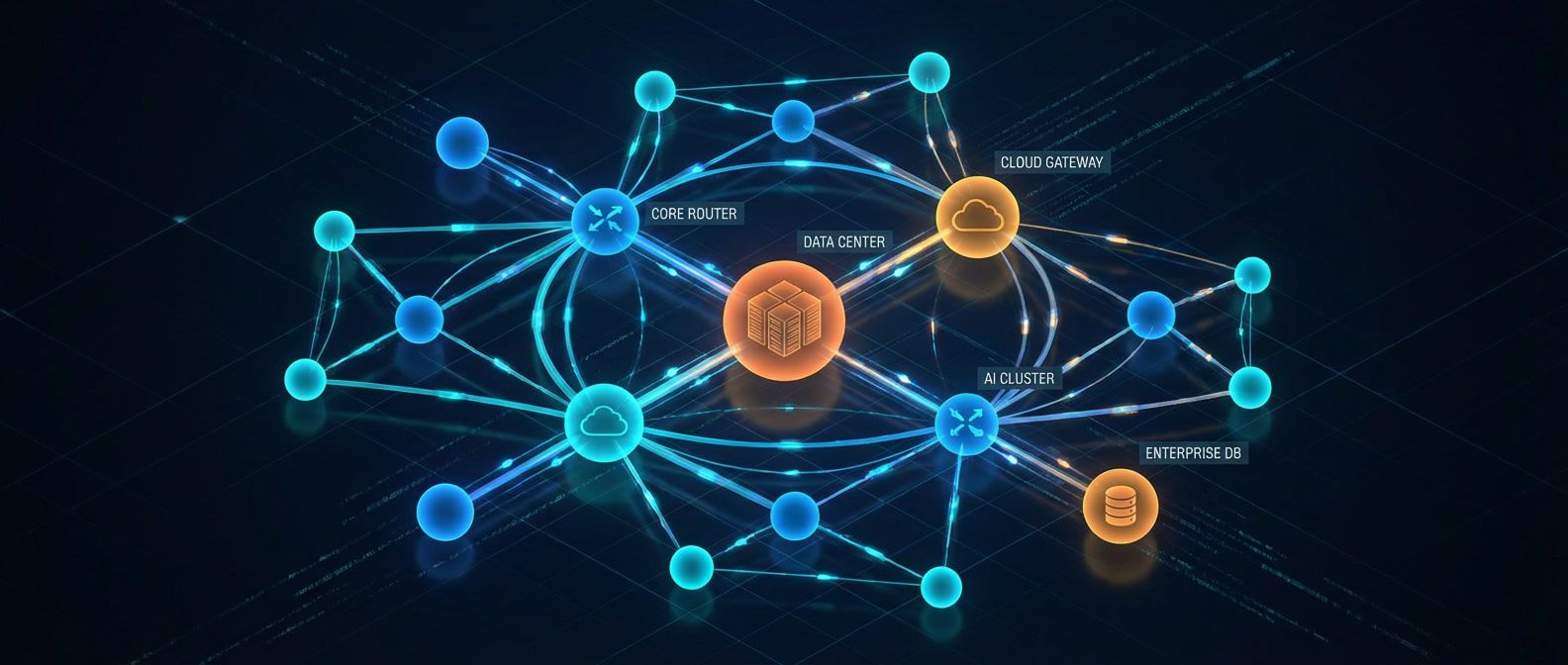
Designing catalog schemas with ownership, lifecycle, and dependency data that stays accurate over time.

The difference between a portal that indexes things and a platform that does things for developers.