
Open Stack
0articlesPrivate cloud infrastructure for regulated environments with sovereignty constraints
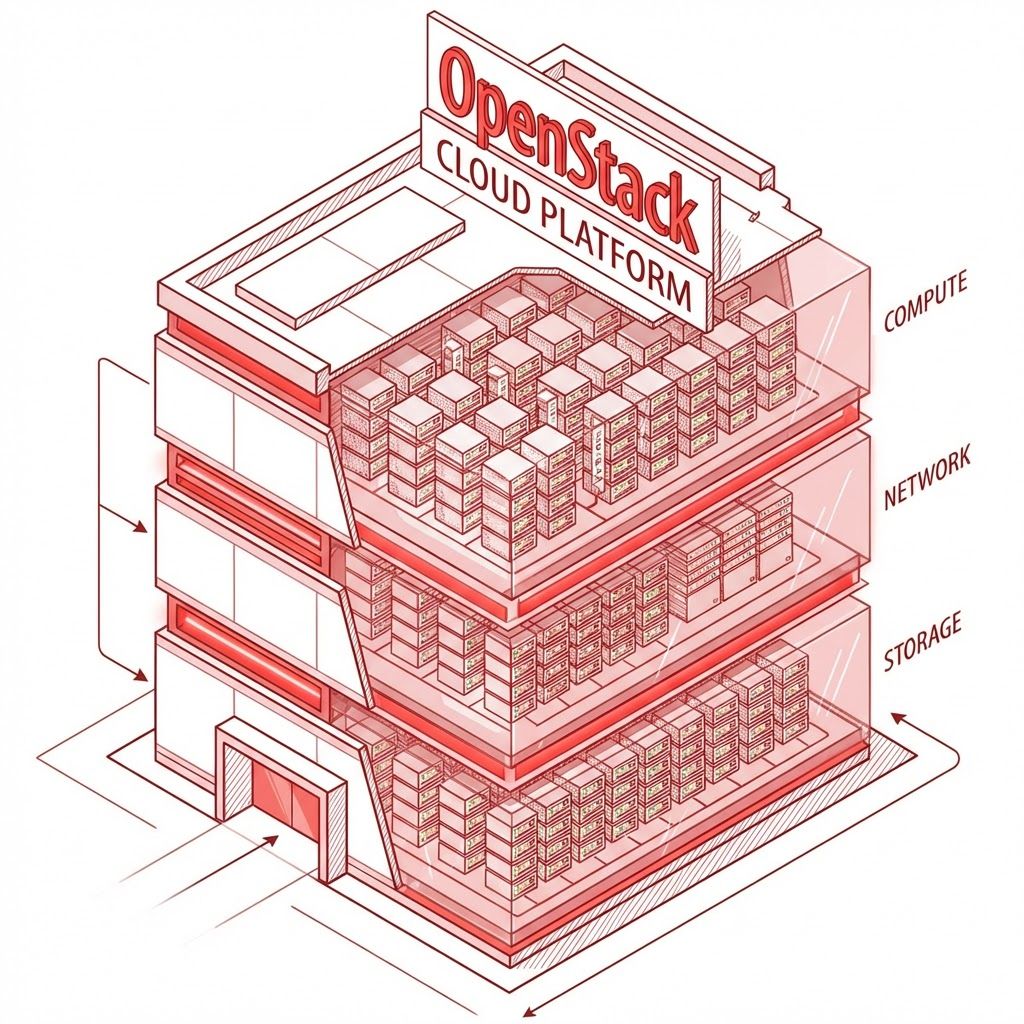
OpenStack provides the building blocks for private cloud infrastructure—compute (Nova), networking (Neutron), block storage (Cinder), object storage (Swift), and identity (Keystone)—that organizations operate on their own hardware. In industries where data sovereignty, regulatory compliance, or latency requirements rule out public cloud, OpenStack remains the most mature open-source option for delivering cloud-like self-service to internal teams without ceding control of the underlying infrastructure.
For platform engineers, OpenStack is both an infrastructure provider and an operational challenge. Deploying and upgrading a production OpenStack cluster requires deep knowledge of Linux networking, storage backends, message queues, and database clustering. Tools like Kolla-Ansible and TripleO automate deployment, but day-two operations—capacity planning, tenant isolation, quota management, and certificate rotation—demand ongoing engineering investment that public cloud providers absorb behind their APIs.
The modern platform engineering angle often involves running Kubernetes on top of OpenStack, using Magnum or Cluster API providers to offer managed clusters to application teams. This hybrid approach gives organizations the compliance posture of on-premises infrastructure with the developer experience of container orchestration. The operational cost is higher than managed cloud services, but for the right constraints it delivers control that no public cloud can match.
No content found for this tag.
Browse other tags