
Article
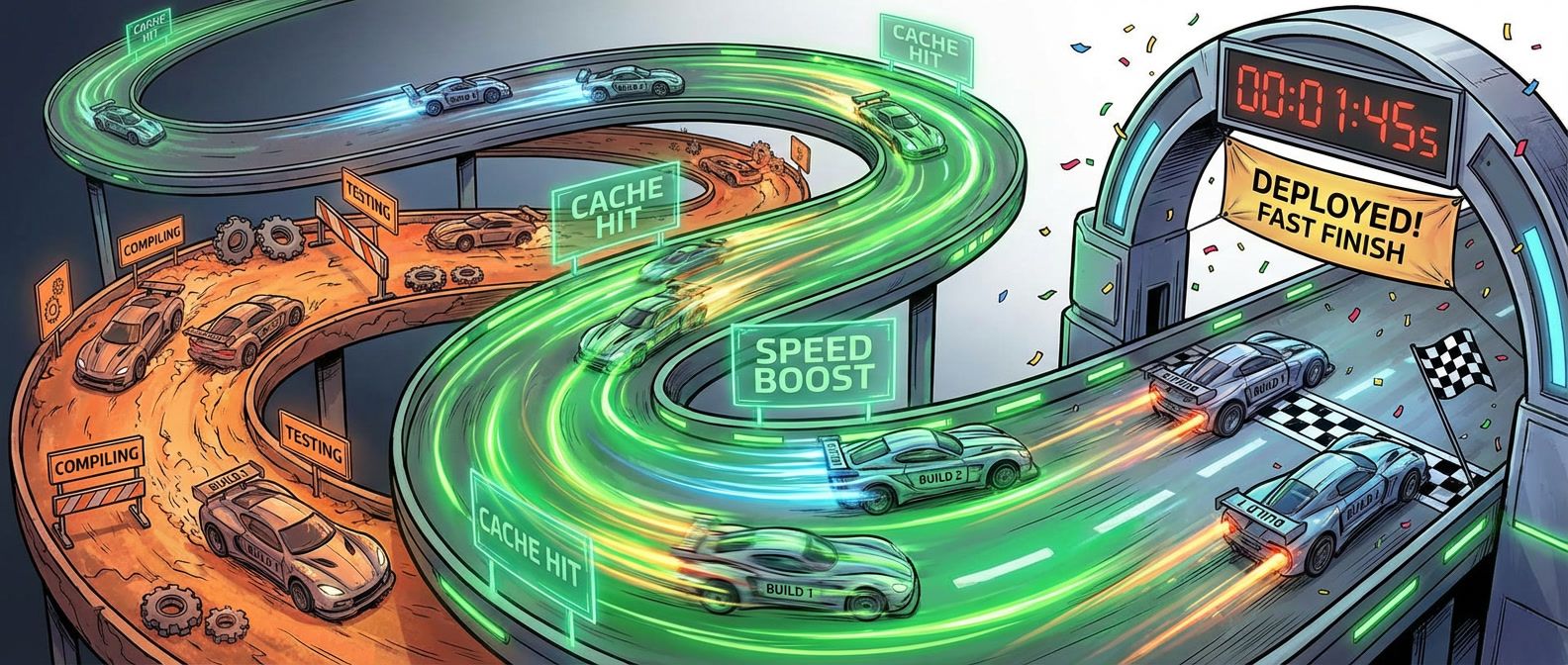
CI Pipeline Caching: Strategies That Actually Work
Docker layer caching, dependency caching, and cache invalidation patterns that speed up builds without breaking them.
Learn more
Container images, multi-stage builds, and reproducible packaging for all environments
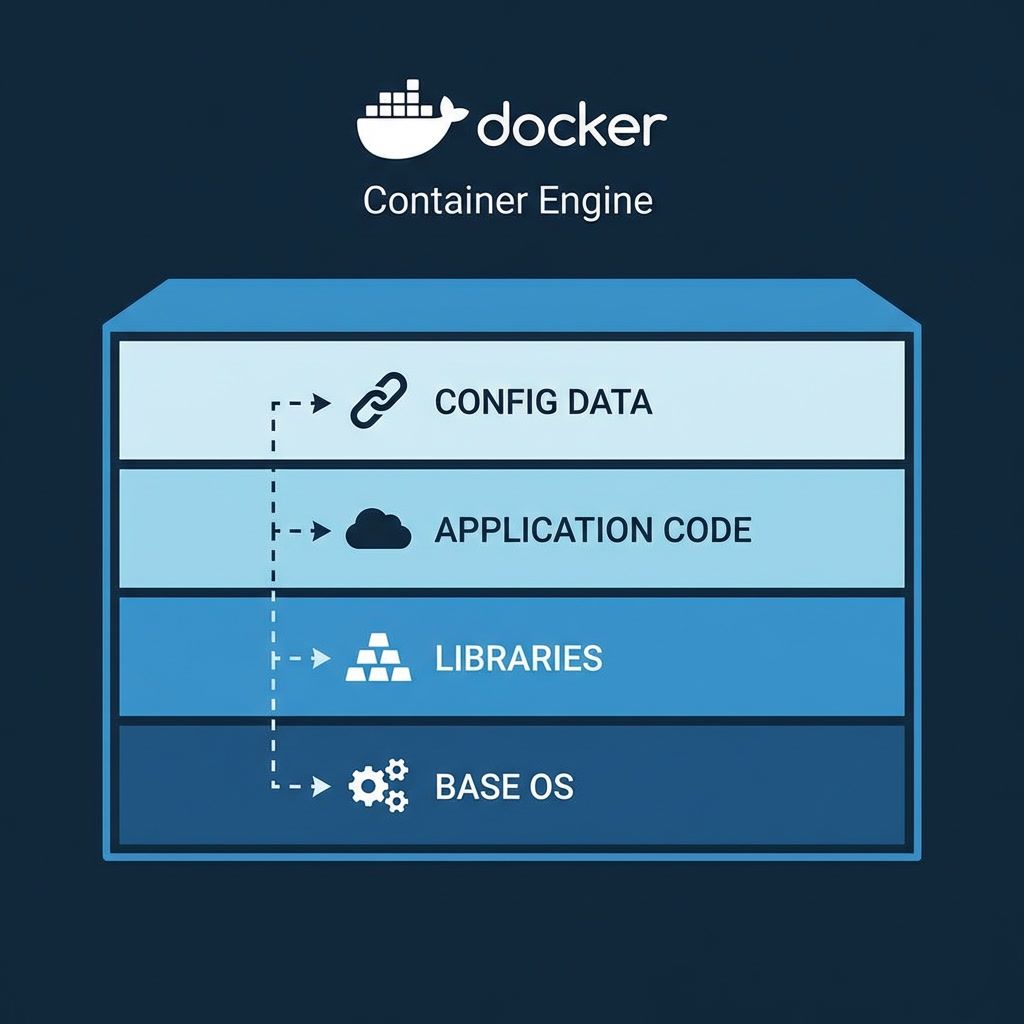
Docker changed how platform engineers think about deployment artifacts. Instead of configuring servers to match application requirements, teams package applications with their exact dependencies into images that run identically everywhere. Multi-stage builds keep production images lean, BuildKit caching speeds up CI pipelines, and OCI-compliant registries give organizations a standard way to store and distribute artifacts across environments.
For platform engineering, Docker sits at the foundation layer. Golden-path Dockerfiles enforce security baselines—non-root users, minimal base images, pinned package versions—before code ever reaches a cluster. Build pipelines scan images for CVEs, sign them with cosign or Notary, and push to private registries with promotion policies that gate what reaches production. The container image becomes the unit of trust between development teams and the platform.
Docker’s role has shifted as Kubernetes handles orchestration and containerd runs workloads directly. The Docker CLI and Compose remain essential for local development, letting engineers run multi-service stacks on their laptops with a single command. Understanding image layering, build context optimization, and runtime security constraints still matters daily—even in environments where Docker Engine itself never touches a production node.
Docker layer caching, dependency caching, and cache invalidation patterns that speed up builds without breaking them.

Building only what changed with affected-based builds and remote caching that actually speeds up CI.

Lead time, onboarding time, and ticket deflection metrics that show whether your platform reduces friction.
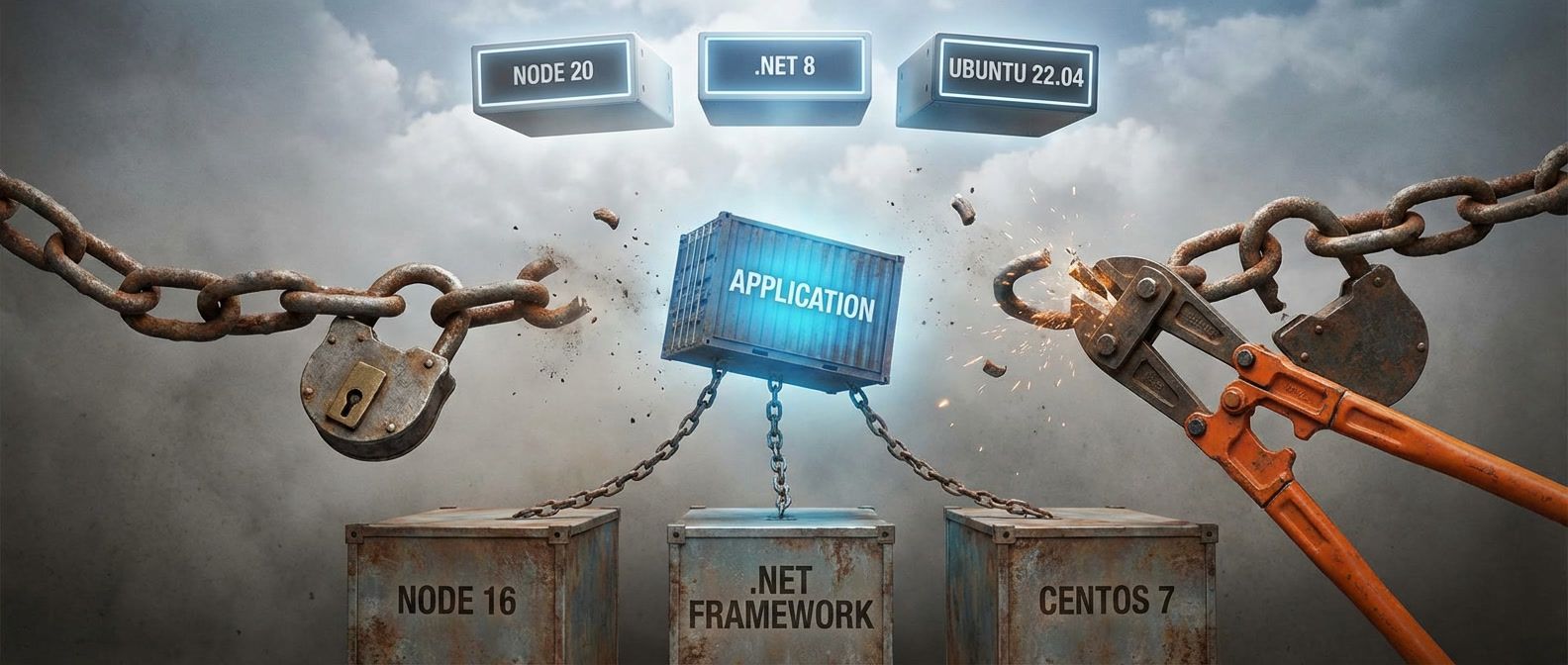
Strategies for escaping end-of-life .NET Framework, old Node, and legacy Linux distributions.

Balancing standardization with team autonomy so the right thing is easy but not the only option.

Consumer-driven contracts that catch breaking changes without heavyweight tooling or coordination overhead.

Supply chain security basics that you can implement without a dedicated security team or expensive tooling.

Implementing infrastructure policies with OPA and Conftest that catch violations before they reach production.

Integrating vulnerability scanners without blocking every build on false positives or unfixable CVEs.